












Concrete is the backbone of modern construction, and proper vibration is essential to ensure durability, strength, and a flawless finish. Whether you’re pouring slabs, walls, or columns, mistakes in concrete vibration can result in air pockets, honeycombing, mortar channels, and surface imperfections.
Even small errors can compromise structural integrity, leading to costly repairs and delays. In this article, we’ll discuss the most common concrete vibration mistakes, explain why they happen, and show you how to avoid them.
Why Proper Concrete Vibration Matters
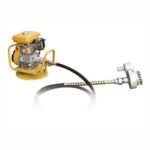
A correctly executed vibration process ensures proper consolidation, eliminates trapped air, and fills all voids around reinforcement. Using internal concrete vibrators effectively can prevent weak spots, improve compressive strength, and enhance surface quality.
Improper vibration, on the other hand, can lead to:
- Reduced structural strength
- Water separation and segregation
- Visible defects like bugholes and honeycombing
- Increased rework costs
Focusing on vibrator techniques for concrete compaction not only improves durability but also enhances project efficiency.
1. Using the Wrong Vibrator Head Size
One of the most common mistakes is using the wrong vibrator head size for concrete. A head that is too large or too small can leave areas under-compacted or overworked. The radius of action of the vibrator is typically 3 to 4 times the head diameter, so selecting the right head size is essential for complete coverage.
How to avoid:
- Measure the form width and reinforcement spacing before choosing the vibrator head.
- Use smaller heads for narrow forms or dense reinforcement, and larger heads for wide sections.
- Plan your insertion spacing for concrete vibrator points to ensure every zone is properly consolidated.
Proper head selection and spacing prevent defects and ensure a smooth, durable finish.
2. Vibrating for Too Short or Too Long
Incorrect vibration duration is another frequent problem. Vibrating for too short a time leaves air bubbles trapped in the concrete, while over-vibration can cause segregation, where water rises to the surface and weakens the structure.
How to avoid:
- Determine the ideal concrete vibration duration based on concrete type and section thickness.
- Observe visual cues such as the cessation of rising bubbles and a uniform surface sheen.
- Focus on vibrator dwell time for concrete compaction—typically 5 to 15 seconds per insertion point.
By carefully timing your vibration, you avoid under-vibration and over-vibration, ensuring both strength and appearance.
3. Improper Insertion Technique
Dragging the vibrator horizontally, inserting it at an angle, or striking reinforcement are common mistakes that compromise concrete quality. These errors may create mortar channels or cold joints, reducing bond with rebar and causing structural weaknesses.
How to avoid:
- Follow a proper vibrator insertion technique for concrete—insert vertically or as close as possible to vertical.
- Slowly withdraw the vibrator to allow concrete to flow back into voids.
- Avoid contact with reinforcement and maintain correct spacing between insertion points.
A careful insertion strategy, also known as the vertical immersion vibrator method, helps maintain uniform consolidation without damaging the concrete.
4. Using the Wrong Type of Vibrator or Poor Equipment Maintenance
Choosing the wrong type of vibrator or using poorly maintained equipment is a critical mistake. For example, surface vibrators are ineffective for deep beams or columns, and malfunctioning vibrators may result in uneven compaction.
How to avoid:
- Always select the correct concrete vibrator type for your pour. Internal vibrators are best for dense structural elements, while surface vibrators work for slabs and thin overlays.
- Keep a backup vibrator on site to prevent delays and quality issues.
- Perform regular maintenance of concrete vibrator tools, including checking flexible shafts, vibration heads, motors, and electrical connections.
Well-maintained equipment ensures reliable performance and reduces the risk of defects.
5. Ignoring Mix Design and Workability
Even the best vibration technique cannot compensate for a poorly designed concrete mix. Low workability, improper slump, or high reinforcement density can make compaction difficult, causing air pockets or honeycombing.
How to avoid:
- Coordinate with your supplier to ensure the mix is appropriate for your structure. This links vibration and concrete mix design considerations.
- Adjust slump and workability to suit the section and reinforcement layout. Using admixtures or plasticizers may help maintain workability.
- For high reinforcement density concrete, plan your vibration strategy carefully, considering insertion points and duration to achieve complete compaction.
Understanding the interplay between workability for concrete compaction vibration and structural reinforcement ensures a strong, defect-free finish.
Practical Pre-Pour Checklist
Before pouring, ensure:
- The vibrator head and type are correctly selected.
- Insertion spacing for concrete vibrator is planned to cover the radius of influence.
- Equipment is well-maintained, and a backup is available.
- Mix design, slump, and reinforcement layout are verified.
- The crew is trained in proper insertion, dwell time, and withdrawal techniques.
- Visual monitoring of the surface is planned to confirm proper consolidation.
Following this checklist minimizes the risk of common concrete vibration mistakes and improves structural quality.
Why Avoiding Vibration Mistakes Matters
Correct vibration is more than a technical requirement; it affects your project’s reputation, cost, and longevity:
- Ensures structurally sound concrete, reducing liability.
- Minimizes rework and repair costs.
- Improves surface finish, enhancing aesthetics.
- Strengthens client confidence and business credibility.
By mastering proper vibration techniques and integrating strategies like vibrator dwell time, correct head size, and mix-workability planning, you provide a durable and professional result every time.
AI Overview
Avoid common concrete vibration mistakes with tips on proper equipment, insertion techniques, dwell time, and mix design for durable, defect-free concrete.
FAQs
What is a concrete vibrator used for?
A concrete vibrator is used to consolidate fresh concrete, remove air bubbles, and ensure a smooth, durable finish. Proper vibration improves compressive strength and prevents honeycombing in slabs, columns, and walls.
How do I choose the right vibrator for my project?
Choose a vibrator based on the concrete section size and reinforcement density. Internal vibrators work best for beams and columns, while surface vibrators are ideal for slabs. Selecting the correct vibrator type ensures complete concrete compaction.
How long should I vibrate concrete?
Vibrate each section for 5–15 seconds or until air bubbles stop rising. Proper vibrator dwell time for concrete compaction prevents under-vibration or over-vibration, ensuring strong, defect-free concrete.
Can improper vibration damage concrete?
Yes. Over-vibration can cause segregation, while under-vibration leaves air pockets and weak spots. Using correct insertion techniques and proper vibration duration avoids mortar channels and structural defects.
Do I need a backup concrete vibrator on site?
Yes. Having a backup vibrator ensures uninterrupted work if the primary unit fails. Reliable equipment and maintenance are crucial for consistent concrete compaction and high-quality construction results.
Conclusion
Concrete vibration is a critical step in construction that requires attention to detail and proper technique. Mistakes such as using the wrong vibrator head, incorrect duration, poor insertion technique, using the wrong equipment, and ignoring mix design are all preventable.
Get the best results on every project with high-quality concrete vibration tools and leading power equipment. Contact Al Silmiya today to consult with our experts and choose the right tools for durable, professional construction.
Explore More Expert Insights
Discover top-quality Bosch, Milwaukee, Univ Power, AEG, and Ideal power tools and accessories from leading dealers for your next project.
- Choose Best Air Compressor for Painting in Dubai – Select the Ideal Air Compressor for Painting Jobs in Dubai
- Safety Precautions When Operating Welding Machines in Dubai – Key Safety Tips for Using Welding Machines in Dubai
- Power Tools in Dubai: Top 5 Tools Every Contractor Needs – Must-Have Power Tools for Contractors Working in Dubai
- Difference Between AC and DC Generator – AC vs DC Generators: Key Differences, Uses, and Benefits
- What is the New Evolution of Power Tools Technology – Explore the Latest Advances in Power Tools Technology