














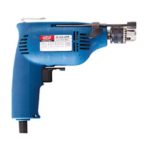
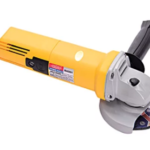
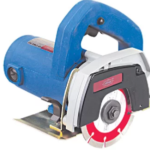
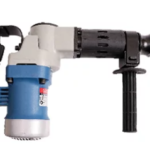
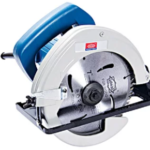


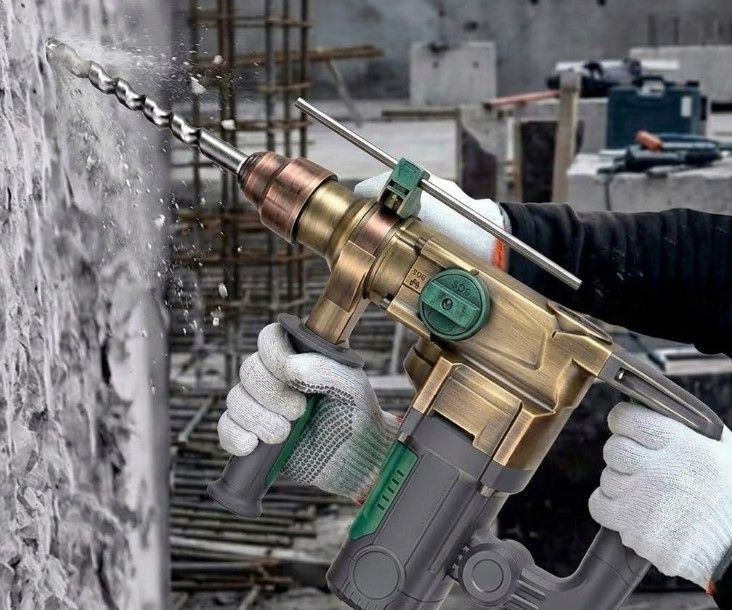
A hammer drill is an indispensable tool for anyone tackling construction, renovation, or DIY projects. Unlike a standard drill, a hammer drill delivers a combination of rotation and impact, allowing users to penetrate hard materials efficiently.
Understanding the full range of its uses ensures that both professionals and DIY enthusiasts can complete projects safely, accurately, and efficiently.
What is a Hammer Drill?
A hammer drill is a power tool engineered for drilling into hard surfaces such as concrete, brick, and stone. Its mechanism combines rotational movement with a rapid hammering action, producing short, forceful impacts that break up masonry while drilling. This makes it far superior to conventional drills when working on tough materials.
Unlike a rotary hammer, which is heavier and designed for larger projects, a hammer drill is versatile and suitable for light to medium-duty applications. Its ergonomic design and adjustable settings allow users to switch between standard drilling and hammer mode, increasing flexibility across multiple tasks.
How Does a Hammer Drill Work?
The hammer drill’s impact mechanism drives the bit forward while it rotates, creating a percussive force that fractures tough materials. Most modern models like the impact drill BT-DB13 feature multiple speed and torque settings, allowing precision when transitioning from wood or metal to masonry.
Some advanced cordless hammer drills provide battery-powered convenience, while corded models deliver consistent high torque for prolonged use. Selecting the correct drill mode and bit is crucial for optimizing performance and extending the tool’s lifespan.
Main Uses of a Hammer Drill
Drilling in Masonry
The most common application of a hammer drill is drilling into concrete, brick, and stone. Professionals rely on tools like the rotary hammer BT-DB26 to install anchors, fasteners, or electrical wiring in masonry walls. Its hammering action reduces drilling time and improves hole accuracy, minimizing material damage.
DIY Home Projects
For homeowners, a hammer drill is perfect for tasks such as mounting shelves, hanging heavy fixtures, or installing outdoor equipment. Its versatility ensures that small and medium-scale projects are completed quickly, even on tough surfaces that would challenge a standard drill.
Light Demolition and Specialized Tasks
While not designed for heavy demolition, Some models like the demolition hammer BT-DHM7 can handle light chiseling or tile removal when equipped with the appropriate masonry bits. Additionally, specialized attachments allow for mixing paint, mortar, or small quantities of concrete, expanding its functional applications.
Construction and Renovation
Professionals and DIYers can use a hammer drill to mount heavy-duty shelves, secure railings to concrete, or install electrical boxes. Its combination of rotation and impact ensures fast, efficient, and accurate drilling during renovation projects.
Light Chipping and Tile Removal
Certain hammer drill models can handle gentle chipping or tile removal. This feature helps in preparing surfaces for renovation, removing old mortar, or fixing broken tiles without requiring heavier demolition tools.
Mixing Materials
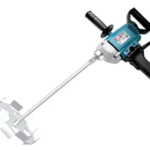
By attaching a compatible paddle, a hammer drill can mix small batches of mortar, cement, or concrete. This adds versatility for quick repair work, DIY projects, or minor construction tasks without needing a separate mixer.
Standard Drilling
Most hammer drills feature a switch to disable the hammer mechanism, allowing the tool to function as a regular drill. This makes it suitable for wood, metal, or plastic, increasing its overall versatility for different project types.
Installing Outdoor Fixtures
Hammer drills are ideal for mounting fence posts, signboards, mailboxes, or outdoor shelving directly into masonry. Their power ensures secure and durable installations even on tough outdoor surfaces.
Anchor and Fastener Installation
For expansion anchors, wall plugs, or screws, a hammer drill provides precise pilot holes. This ensures strong, long-lasting connections in concrete, brick, or stone structures.
Electrical and Plumbing Work
Electricians and plumbers use hammer drills to drill holes for conduit, pipes, or cable channels. The tool’s accuracy and impact make it easy to work through solid masonry while maintaining clean, precise openings.
Choosing the Right Bits and Accessories
Selecting the correct hammer drill bits is critical for performance and safety.
- Masonry bits for concrete, brick, and stone.
- Wood bits for soft materials and metal bits for thin steel surfaces.
- SDS shank vs standard shank depends on drill compatibility and project requirements.
High-quality bits like Bosch concrete drill bits improve efficiency, reduce wear, and provide cleaner holes, ensuring professional results on every project.”
Tips for Using a Hammer Drill Safely and Effectively
Using a hammer drill correctly improves productivity and minimizes risks.
- Apply consistent pressure and keep the drill perpendicular to the surface.
- Wear safety equipment including goggles, gloves, and ear protection.
- Choose the appropriate mode and speed based on the material and bit type.
- Avoid excessive force, which can damage both the tool and workpiece.
Ergonomic handles and vibration-reduction features further enhance comfort during prolonged use.
Buying Guide – How to Pick the Best Hammer Drill
Selecting the right hammer drill ensures efficiency, precision, and durability for any project. Consider the following factors carefully before making a purchase:
- Corded vs Cordless Hammer Drill: Corded rotary and impact drills deliver consistent high torque, ideal for prolonged or heavy-duty drilling into concrete and masonry. Cordless drills offer mobility and convenience, perfect for DIY tasks or working in areas without easy access to power outlets.
- Power Ratings and RPM: Check the motor power (watts or amps) to ensure the drill can handle hard materials without overheating. Percussion drills are engineered specifically for this, delivering the RPM and torque needed for fast, clean penetration in masonry and metal alike.
- Impact Energy and Hammering Action: Evaluate the drill’s percussion force, usually measured in joules. A higher impact rating allows faster drilling into tough surfaces like concrete or brick, reducing user fatigue and tool wear.
- Ergonomics and Vibration Control: Comfortable handles, balanced weight, and soft grips prevent strain during extended use. Advanced vibration-damping systems enhance precision and reduce fatigue when drilling multiple holes in masonry or stone.
- Variable Speed and Torque Settings: Adjustable speed triggers and torque control allow you to adapt the drill for various materials. Lower speed with higher torque is ideal for concrete, while higher speed suits wood and soft metals.
- Drill Chuck Compatibility: Ensure the chuck supports both SDS shank and standard bits for versatility. Keyless chucks simplify bit changes, while SDS-compatible systems provide secure fitting for masonry and heavy-duty tasks.
- Additional Features
Consider built-in LED lights for low-light work, depth stops for consistent hole sizes, and dust extraction ports for cleaner operation. Some models offer multi-mode functionality, combining rotary-only, hammer-only, and combined drilling modes in one tool. - Brand Reputation and Warranty
Investing in a trusted brand ensures durability, reliable performance, and after-sales support. Check for warranty coverage and availability of replacement parts to protect your investment.
Choosing a hammer drill with these features guarantees you get a durable, versatile, and safe tool that suits both professional and DIY applications, ensuring high-quality results on every project.
FAQs
What is the hammer drill used for?
A hammer drill is used to drill into hard surfaces like concrete, brick, and stone. It combines rotation with impact for fast and precise drilling.
What is a drill bit guide?
A drill bit guide ensures accurate and straight drilling by stabilizing the bit. It prevents slippage and improves hole precision in all materials.
What material is drilled with a hammer drill?
Hammer drills are ideal for masonry, concrete, brick, and stone. They can also drill wood and metal when in rotary-only mode.
What else can you use a hammer drill for?
Hammer drills can remove tiles, mix small batches of mortar, and prepare surfaces for renovations. They also support DIY and light construction tasks.
Conclusion
A hammer drill is a versatile, essential tool for professionals and DIY enthusiasts alike. Its combination of rotation and impact allows efficient drilling into masonry, stone, and concrete, while its adjustable modes support a variety of home and construction projects.
By choosing the right drill and bits, users can maximize performance, safety, and efficiency. Al Silmiya Building Materials Trading offers a curated selection of high-quality, durable hammer drills designed to meet diverse operational and DIY needs. Backed by expertise and a commitment to quality, Al Silmiya ensures every project is completed with precision and reliability.
For professional masonry, concrete drilling and installation services, contact experienced drilling experts to get your project done efficiently and reliably.