






carbon brush supplier

How to Choose the Best Carbon Brush Supplier Near Me?

Choosing the right carbon brush supplier is crucial for ensuring quality products and reliable performance. Whether you’re looking for industrial applications or specific machinery needs, finding a reputable supplier nearby can simplify logistics and enhance service. Here’s a comprehensive guide on how to select the best carbon brush supplier near you.

Assessing Quality and Reliability

Quality of Products

Evaluate the quality of carbon brushes offered by suppliers. Look for suppliers who provide high-quality carbon brushes made from durable materials to ensure longevity and optimal performance.

Reliability of Supplier

Research the supplier’s reputation for reliability. Check reviews, testimonials, or ask for recommendations to gauge their reliability in delivering quality products consistently.

Compliance with Standards

Ensure that the supplier adheres to industry standards and regulations. Suppliers who follow standards like ISO certifications often maintain quality and reliability in their products and services.

Product Variety and Customization Options

Range of Products Available

Look for a supplier that offers a diverse range of carbon brushes. A supplier with various options can cater to different industries, applications, and specific needs, providing you with more choices.

Customization Capabilities

Consider suppliers that offer customization options. Custom-made carbon brushes tailored to your specific requirements can enhance efficiency and performance in your equipment or machinery.

Availability of Accessories

Check if the supplier provides complementary accessories or services such as holders, springs, or technical support. Having access to these additional items can be beneficial for your equipment maintenance needs.

Pricing and Cost-effectiveness

 Competitive Pricing

Compare prices from different suppliers to ensure competitive rates. However, be cautious of extremely low prices as they may compromise the quality of the carbon brushes.

Total Cost Consideration

Consider the total cost beyond the initial purchase. Factor in aspects like durability, performance, and maintenance requirements. A slightly higher upfront cost might be justified by the long-term performance and longevity of the carbon brushes.

Value for Money

Look for suppliers that offer a balance between quality and cost-effectiveness. Choosing a supplier that provides value for money ensures you get reliable products without overspending.

Customer Support and Service

Responsive Customer Service

Assess the supplier’s customer service responsiveness. A supplier who is attentive to inquiries, provides technical support, and addresses concerns promptly can be crucial in ensuring a smooth purchasing experience.

Delivery and Lead Times

Consider the supplier’s delivery times and lead times for orders. Timely delivery of carbon brushes when you need them is essential to avoid disruptions in your operations.

After-sales Support and Warranty

Inquire about after-sales support and warranty policies. Suppliers offering warranties or post-purchase assistance demonstrate confidence in their products and commitment to customer satisfaction.

Conclusion 

Choosing the right carbon brush supplier nearby involves assessing quality, reliability, product variety, customization options, pricing, customer support, and after-sales service. By considering these factors, you can make an informed decision to ensure you receive high-quality carbon brushes that meet your specific requirements and provide reliable performance for your machinery or equipment.

Hardware Store

How Reliable Are Power Tools from  Hardware Stores?

Are you in search of dependable power tools to tackle your DIY projects or professional tasks? Selecting the right tools from hardware stores can be crucial to ensure efficiency, durability, and successful project completion. In this comprehensive guide, we’ll delve into the world of power tools available at hardware stores, focusing on their reliability and performance.

From cordless impact drills and impact wrenches to electric polishers, each tool serves a specific purpose in various projects. We’ll explore the factors that determine the reliability of these tools, shedding light on essential considerations when making your purchase.

Brand Reputation and Reviews

Brand Reliability

Consider the reputation of power tool brands available at hardware stores. Some brands have a history of producing reliable and durable tools known for their quality craftsmanship.

Customer Reviews and Feedback

Check online reviews and feedback from users who have used specific power tools. Real experiences from users can offer valuable insights into the reliability and performance of the tools.

Industry Recognitions

Look for power tool brands that have received awards or recognitions within the industry. Such accolades often indicate a level of quality and reliability in their products.

Cordless Impact Drill

Performance and Power

Assess the performance and power capabilities of cordless impact drills. A reliable drill should offer sufficient power for various tasks, from drilling holes to driving screws efficiently.

Battery Life and Charging

Consider the battery life and charging time of cordless drills. Reliable models should have long-lasting batteries that hold their charge well, minimizing downtime during tasks.

Durability and Build Quality

Examine the build quality and durability of the drill. Sturdy construction and high-quality materials contribute to the reliability and longevity of the tool.

Cordless Impact Wrench

Torque and Versatility

Evaluate the torque output and versatility of cordless impact wrenches. Reliable wrenches should deliver adequate torque for tightening or loosening nuts and bolts across different applications.

Battery Efficiency

Check the battery efficiency of impact wrenches. Tools with efficient batteries that maintain consistent power output during use are more reliable for various tasks.

Sturdiness and Impact Resistance

Look for impact wrenches designed to withstand heavy-duty tasks. A reliable wrench should be built with durable materials to handle impacts and rough use.

Electric Polisher

Motor Power and Speed Control

Assess the motor power and speed control options of electric polishers. A reliable polisher should offer sufficient power and adjustable speed settings for different polishing needs.

Ease of Use and Handling

Consider polishers that are easy to handle and maneuver. Ergonomic designs and comfortable grips contribute to ease of use and overall reliability.

Quality of Polishing Results

Examine the quality of polishing achieved by the tool. Reliable polishers should provide consistent and effective polishing results without compromising performance.

Conclusion

When considering the reliability of power tools from hardware stores near me, factors such as brand reputation, customer feedback, performance attributes, battery life, durability, and overall build quality play crucial roles. By assessing these factors and choosing tools that align with your specific needs for performance, durability, and ease of use, you can find reliable power tools that support your projects effectively.

Carbon Brush

What’s the Role of a Carbon Brush in Electric Motors?

One aspect that is sometimes ignored when navigating the dense web of electrical components within an electric motor is the carbon brush. Despite its small size, the carbon brush performs a critical function in ensuring the smooth operation and lifespan of your engine.

The purpose of this essay is to delve into the critical functions of a carbon brush in electric motors, shedding light on its importance in the realm of electrical engineering.

Role of a Carbon Brush in Electric Motors

Precision Electricity Conducting

Imagine the carbon brush as the conductor of an orchestra of electrical currents within your electric motor, directing a flawless flow of electricity between stationary and rotating components.

The carbon brush acts as a bridge, allowing electricity to flow from the power supply to the moving parts, providing the rotational force that drives your machinery.

Increasing Frictionless Contact

Carbon brushes‘ capacity to maintain frictionless contact with the rotating element of the motor, often the rotor or armature, is one of their most important characteristics. This contact is critical for electrical energy transfer; any interruption could result in inefficiencies, overheating, or even motor failure.

Carbon’s self-lubricating characteristics make it an excellent material for brushes, assuring low friction and maximum performance.

Wear Resistance and Heat Dissipation

Heat naturally accumulates when your electric motor functions. Carbon brushes, with their high heat dissipation capabilities, play an important role in thermal energy management. This not only reduces overheating but also adds to the motor’s overall durability.

Furthermore, carbon brushes have a high wear resistance, resulting in a longer lifespan and fewer replacements.

Material that is adaptable and versatile

Carbon brushes’ versatility stems from the peculiar characteristics of carbon. Because of its capacity to withstand high temperatures, resist wear, and preserve electrical conductivity, the material is an excellent choice for this critical component.

Carbon brushes demonstrate their versatility across multiple domains, whether in a power tool, industrial machine, or automotive application.

Sign of wear and maintenance

Understanding the indicators of wear in carbon brushes is critical for keeping your electric motor in good working order. Inspections should be performed regularly, with an eye out for issues such as uneven wear, sparking, or a decline in performance.

Carbon brush replacement on time can prevent more serious damage and downtime, ensuring your machinery’s performance.

Conclusion

While the carbon brush is modest, its importance in the world of electric motors cannot be overstated. Carbon brushes are the hidden heroes that keep our machinery moving by acting as a conductor, permitting frictionless contact, regulating heat, and demonstrating adaptability.

Recognizing carbon brushes’ significance and executing suitable maintenance procedures will surely contribute to your electric motor’s longevity and efficiency.

Concrete Cutter

How to Choose the Right Concrete Cutter for a Project?

Concrete cutting is a vital aspect of many construction projects, demanding the right tools for precision and efficiency. In this blog, we’ll explore the world of concrete cutters, offering insights into how to choose the ideal one for your project. Whether you’re diving into roadwork, demolitions, or intricate structural alterations, understanding the key factors and types of concrete cutters will empower you to make the right choice.

 Understanding Concrete Cutting Needs

1. Assessing Project Requirements

Project Scope:

Determine the scale and nature of your concrete cutting project. Whether it’s for a small residential task or a large-scale commercial project, understanding the scope is essential.

Concrete Type:

Identify the type and thickness of the concrete you’ll be cutting. Different concrete compositions may require specific cutting tools.

Factors to Consider When Choosing a Concrete Cutter

1. Cutting Depth and Size

Depth Requirements:

Consider the depth of the cuts needed for your project. Choose a cutter that can handle the required depth without limitations.

Blade Type and Size

Choose the appropriate blade type (diamond or abrasive) and size depending on the concrete density, reinforcement, and the desired finish. Larger blades are ideal for heavy-duty tasks, while smaller ones offer precision in intricate cutting.

2. Power Source and Cutter Type

Power Options:

Depending on the project’s location and ease of access to power sources, decide if you need an electric, hydraulic, or gas-powered cutter.

Concrete cutters :

come in a variety of forms, including wall-mounted saws, walk-behind saws, and hand-held saws. Select the kind that best meets the needs of your project.

3. Blade Selection and Quality

Blade Material:

Select blades suitable for the concrete type you’re cutting, diamond blades for reinforced concrete, abrasive blades for asphalt, or softer materials.

Blade Quality:

Invest in high-quality blades to ensure durability and precision cutting, reducing the need for frequent replacements.

4. Maneuverability and Portability

Ease of Handling:

Consider the weight and maneuverability of the cutter, especially if the project involves cutting in confined or challenging spaces.

Portability:

Assess if the cutter is easily transportable to different areas of the project site, ensuring flexibility in usage.

Budget Considerations and Maintenance Needs

1. Cost vs. Quality

Balancing Cost and Quality:

While considering your budget, prioritize quality and performance over the lowest price. Quality equipment tends to offer better results and durability.

2. Maintenance Requirements

Maintenance Needs:

Evaluate the maintenance needs of the concrete cutter. Opt for equipment that requires minimal maintenance or has accessible servicing options.

Long-term Investment:

Consider the long-term cost-effectiveness of a cutter regarding maintenance and operational efficiency.

Safety Features and User-Friendly Aspects

1. Safety Measures

Safety Features:

Ensure the cutter has adequate safety features such as blade guards, emergency shut offs, and vibration reduction systems to protect operators.

Operator Training:

Provide proper training to users on safe operating procedures to prevent accidents or injuries.

2. User-Friendly Design

Ergonomics:

Look for cutters designed for user comfort, reducing operator fatigue during extended use.

Ease of Operation:

Choose equipment with simple controls and intuitive features, facilitating ease of use for operators.

Conclusion

Choosing the right concrete cutter involves understanding project needs, and considering factors like cutting depth, power source, blade quality, manoeuvrability, budget, maintenance requirements, safety features, and user-friendliness. By carefully assessing these aspects and aligning them with your project requirements, you can select a concrete cutter that efficiently meets your needs, ensuring smooth and precise concrete cutting operations.

PowerTools

How to Choose the Right Angle Grinder?

The success of your work might be greatly impacted by your choice of angle grinder. These versatile tools include a type of features and sizes. You don’t need a specific degree in engineering to make the proper decision. In this guide, we’ll simplify the key elements to take into account when choosing an angle grinder.

Understanding Angle Grinders

What Is an Angle Grinder?

Get acquainted with the basics of an angle grinder, a handheld power tool featuring a rotating abrasive disc used for a range of tasks.

Types of Angle Grinders

Learn about the different types of angle grinders, such as corded and cordless models, as well as their specific advantages and limitations.

Safety Considerations

Before diving into the selection process, grasp the importance of safety when operating Angle Grinders. Protective gear and precautions are vital.

Determining Your Needs

Task Specificity

Identify the primary tasks you’ll be using the angle grinder for, such as cutting metal, grinding concrete, or sanding wood.

Frequency of Use

Determine how often you’ll use the grinder. For heavy and frequent use, a more robust model may be required.

Portability

Consider whether you need a portable, cordless grinder for versatility or if a corded model with constant power will suffice.

Choosing the Right Type

Selecting the right type of angle grinder is crucial for your specific tasks.

Standard Angle Grinder:

These are the most common and versatile types. They handle cutting, grinding, and polishing tasks for a wide range of materials.

Pneumatic Angle Grinder:

Powered by compressed air, these are typically used in industrial settings. They offer high power and are suitable for heavy-duty tasks.

Die Grinder:

Smaller and more compact die grinders are used for intricate work, such as metal engraving and precision grinding.

Angle Grinder with Paddle Switch:

These grinders have a safety paddle switch that needs to be held down during operation. They offer more control but require continuous pressure on the switch.

Key Features to Look For

Power Rating

Higher power ratings (measured in watts) typically mean more potent and versatile angle grinders for demanding tasks.

Disc Size

 The size of the grinder’s disc plays a crucial role. Smaller discs are excellent for precision work, while larger ones offer greater coverage.

Speed Rating

Different tasks require different speeds. Look for an angle grinder with variable speed settings for versatility.

Additional Considerations

Ergonomics and Handle

Test the grinder’s ergonomics and handle design to ensure comfort during extended use.

Durability and Build

Consider the build quality and materials used, especially if you plan on using the grinder for heavy-duty tasks.

Brand and Warranty

Opt for reputable brands known for quality and check for warranties to ensure long-term satisfaction.

Conclusion

Choosing the right angle grinder is essential for successful and safe completion of various tasks. Understanding the basics of angle grinders, their types, and the significance of safety sets the foundation for a successful selection process.

By determining your specific needs and considering factors like power rating, disc size, and speed rating, you can narrow down your options effectively. Pay attention to ergonomics, durability, and brand reputation to make the final decision.

Remember, the right-angle grinder can become an indispensable tool in your workshop or toolbox, making tasks like cutting, grinding, and polishing more efficient and manageable.

Air Compressors

Comparison between Portable and Stationary Air Compressors

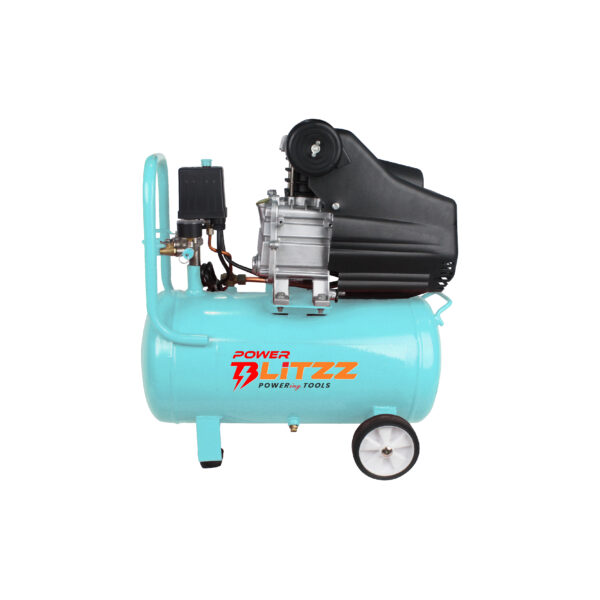
When choosing an air compressor, its type should be right to accomplish your needs. A confusion that majorly impacts the decision is whether to choose a portable or stationary air compressor. To make the right choice, it’s important to understand the difference between them based on their advantages and disadvantages.

Portable Air Compressors

The cost of portable air compressors is all because of their mobility and versatility. If you value flexibility and need a compressor that can accompany you across job sites or tackle various tasks around your home, a portable unit might be your ideal choice.

Advantages:

Mobility:

Mobility is the most common advantage of portable air compressors. As they are lightweight and equipped with handles, you can effortlessly move them from one place to another. They are also compact.

Versatility:

Portable air compressors are versatile, meaning they can be used for several applications. They can be used for inflating tires and sports equipment, powering pneumatic tools, and others.

Space Efficiency:

If you have limited space in your workshop or garage, a portable air compressor won’t hog precious square footage. After using the compressor, you can store it in a corner or on a shelf.

Disadvantages:

Limited Power:

Portable air compressors usually offer lower horsepower and airflow capacity compared to their stationary counterparts. This limitation might impact the performance of high-demand pneumatic tools or machinery.

Continuous Duty Constraints:

Portable compressors are not designed for continuous, heavy-duty use. If they are used for longer hours, they overheat and their lifespan reduces.

Stationary Air Compressors

On the other hand, stationary air compressors are widely used in different industrial and commercial settings, especially heavy-duty applications. It’s said that stationary air compressors are a reliable, high-powered solution.

Advantages:

High Power Output:

Stationary compressors are available in larger capacities, offering higher horsepower and airflow rates. This makes them ideal for powering industrial machinery and equipment requiring a continuous air supply.

Durability:

Built for prolonged and intensive use, stationary compressors are designed with robust components, ensuring longevity and minimal maintenance requirements.

Customization:

Stationary air compressors have multiple customization options along with other additional features. These customization options help you personalize the system as per your specific requirements.

Disadvantages:

Lack of Mobility:

The primary drawback of stationary compressors is their immobility. Once installed, they are challenging to relocate, making them unsuitable for applications that require frequent movement.

Space Requirements:

Stationary compressors demand a dedicated space in your workshop or facility. You need to consider their physical footprint and plan your workspace accordingly.

The choice between a portable and a stationary air compressor ultimately depends on your requirements. If you prioritize mobility, versatility, and space efficiency, a portable compressor might be your best companion. However, if you demand high power output, durability, and customization options, a stationary compressor is your reliable workhorse.

Take into account your unique requirements and weigh the advantages and disadvantages of each type. This will support you in making the best choice and increase the effectiveness and output of your endeavours.

Bosch-Power-Tools

How to Select the Right Bosch Power Tools for Your Needs?

fghh In the realm of power tools, Bosch is a well-known brand that provides a variety of alternatives to meet various needs. However, how can you choose the ideal Bosch power tools for your projects?  In this blog, we’ll provide you with a practical guide on selecting the most suitable Bosch power tools, ensuring your DIY or professional tasks are a breeze.

Understanding Your Project Requirements

Before you rush to buy power tools, take some time to understand your project requirements:

Project Type:

Consider the nature of your project – whether it’s woodworking, metalworking, home repairs, or a more specialized task.

Scope and Size:

Assess the size and scope of your project. Do you need tools for small, intricate work, or larger tasks that demand robust tools?

Frequency of Use:

Think about how often you’ll use the tools. Are you a DIY enthusiast, a professional, or somewhere in between?

The Bosch Power Tools Lineup

Bosch offers a diverse range of power tools. Let’s delve into some of their popular categories and the types of projects they suit:

Cordless Drills and Drivers:

Perfect for drilling holes and driving screws in woodworking, construction, and renovation projects.

Circular Saws:

Ideal for cutting wood, metal, or plastic with precision and ease.

Angle Grinders:

Great for grinding, cutting, and polishing metal, stone, or concrete surfaces.

Jigsaws:

Designed for intricate curved cuts in wood, plastic, and metal.

Sanders:

Whether it’s a belt sander for large surfaces or an orbital sander for finishing, these are perfect for achieving a smooth finish on your projects.

Rotary Hammers:

Suitable for heavy-duty drilling into concrete, stone, or masonry.

Budget Considerations and Features

While choosing Bosch power tools, you’ll also need to consider your budget and the features that matter most:

Budget Restraints:

Calculate the maximum amount you can spend on tools. Tools of both entry-level and professional caliber are available from Bosch.

Features:

Look for features that match the specifications of your project. For instance, ergonomic design, variable speed control, and corded vs. cordless alternatives.

Accessories and Attachments:

Examine the tools’ inclusion of any necessary extras or attachments to see whether you can save money in the long term.

Warranty and Support:

Make that the tools you select have a guarantee and that you can contact dependable customer assistance in the event of problems.

Bosch’s Reputation and Warranty:

Reputation Matters:

Bosch is known for its quality and durability, making their tools a reliable choice.

Warranty and Support:

Check the warranty offered with the tools and the availability of customer support if you encounter any issues.

Reviews and Recommendations:

Research online reviews and ask for recommendations from experienced users to gain insights into the tools’ performance.

Conclusion

Selecting the right Bosch power tools is about aligning your project requirements with the tools’ capabilities and features. Bosch’s wide selection of power tools guarantees that there is the ideal option for your needs, whether you are a professional or a DIY enthusiast.

You are now well-prepared to make an informed decision because you have a greater understanding of your project, the Bosch lineup, budgetary concerns, and critical characteristics. The right Bosch power tools in your hands can transform your projects, making them more efficient and enjoyable. So, go ahead, choose wisely, and power up your next task with confidence.

Concrete Cutter

How to Choose the Right Concrete Cutter for Your Project?

Concrete cutting is a critical task in many construction and renovation projects. Selecting the right concrete cutter is essential for efficiency and precision. In this blog, we’ll guide you through the process of choosing the perfect concrete cutter in straightforward, easy-to-understand terms.

Understand Your Concrete Cutting Needs

Project Type: Determine the nature of your project – whether it’s a small DIY task or a large-scale construction project.

Concrete Thickness: Measure the thickness of the concrete you need to cut. Thicker slabs may require more powerful equipment.Material Consideration: Identify the type of concrete or masonry you’re cutting, as different materials may demand specialized cutters.

Types of Concrete Cutters

Diamond Blade Cutters: Ideal for precise cuts in reinforced concrete and masonry. Consider factors like blade size and power.

Abrasive Cut-Off Saws: Suitable for cutting metal and concrete. They’re versatile and compact but generate more dust and noise.

Concrete Chainsaws:Useful for deep and precise cuts, often in hard-to-reach areas. Wall and Slab Saws: Best for vertical cuts or large horizontal surfaces, such as floors.

Consider Ease of Use and Safety

Ergonomics: Check the design and handle of the cutter to ensure comfort and minimal operator fatigue.

Safety Features: Look for safety mechanisms like blade guards and vibration reduction to protect the operator.

Noise and Dust Control: Choose equipment with features to minimize noise and dust, ensuring a safer and more comfortable work environment.

Budget and Brand Considerations

Set a Budget:Determine how much you’re willing to invest in a concrete cutter, factoring in not only the purchase cost but also maintenance and repair expenses.

Reputation and Brand: Consider brands with a reputation for durability and quality, and check if they offer warranties or service support.

Environmental Impact

Emissions: Some concrete cutters may emit fumes and exhaust. Consider the environmental impact and local regulations, especially in enclosed or sensitive areas.Dust Management:

Implement dust control measures to protect the environment and the health of workers, including using wet-cutting methods and dust extraction systems.

Making an Informed Decision

Consultation: Seek advice from experts or suppliers to ensure that you make an informed decision aligned with your project’s needs.

Demonstrations: Whenever possible, request demonstrations or trials to assess how the concrete cutter performs in real conditions.

Final Checklist: Before choosing a choice, make a checklist that covers the specifications for your project, any financial restrictions, and safety regulations. Use this information to make a wise decision.

User Reviews: Read reviews and seek recommendations from professionals who have experience with the equipment.

Conclusion

Selecting the right concrete cutter begins with understanding your project’s specific needs, the types of cutters available, ease of use, and safety features. You must also consider your budget and explore reputable brands with good reviews. By considering these factors, you’ll be well-prepared to choose the perfect concrete cutter that suits your project’s requirements. Whether it’s a simple DIY task or a complex construction job, the right concrete cutter can make all the difference in ensuring precision, safety, and efficiency in your concrete cutting endeavors.

Inflatable Drain Test Bag

How to Choose the Right Size and Type of Inflatable Drain Test Bag?

Choosing the proper size and type of inflatable drain test bags for your plumbing or construction projects is critical for success. Choosing the incorrect one can result in inefficiencies and even costly errors.

Steps to ensure you pick the perfect inflatable drain test bag for your needs

Measure Your Pipe Diameter Accurately

The first step in selecting the correct size inflatable drain test bag is to correctly measure the diameter of the pipe you’ll be working on. Determine the inner diameter of the pipe using a piece of dependable measurement equipment, such as a caliper or measuring tape. Be exact, as even little differences can impact the seal and test results.

Consider the Length of the Bag

In addition to the diameter, the length of the inflatable drain test bag should be considered. It should be long enough to seal the part of the pipe that needs testing or blocking. To guarantee a correct fit, precisely measure the length of the pipe segment.

Account for Pipe Material and Conditions

The type of pipe material and the conditions under which you will use the inflatable drain test bag are important considerations. Some bags are made for specific materials or situations, such as PVC pipes or exposure to severe chemicals. To ensure longevity and efficacy, select a bag that is compatible with the material and conditions of your job.

Determine the Pressure Rating

The pressure ratings of various inflatable drain test bags differ. It is critical to understand the pressure at which you will be testing the pipe. To ensure safety and reliability, choose a bag with a pressure rating that comfortably surpasses your testing requirements.

Assess the Valve Type

To simplify the use and increase the efficiency of the inflatable drain test bag, the valve is important. The common types of valves are Single-action valves and Dual-action valves. 

The single-action valve allows air into the bag when you touch a button. This makes the inflation faster and easier. On the other hand, a dual-action valve allows both inflation and deflation. This gives you more control over the process. They are good for making very precise changes.

Choose the valve type that corresponds to your tastes and the unique needs of your project.

Consider Reusability

If you intend to reuse the inflated drain test bag, consider purchasing a reusable bag. These bags are often made of long-lasting materials that can endure repeated usage, making them an economical alternative for long-term projects.

Seek Expert Advice if Necessary

If you are unsure about the size or type of inflatable drain test bag you require, consult an expert or provider. Based on your specific project needs, the experts will help you make an informed decision. Their guidance will make the selection process easy and quick. 

The size and type of inflatable drain test bag you choose are critical to the success and efficiency of your plumbing or construction job. So, consider the steps outlined in this post.

Diesel Generators

How to Operate Diesel Generators Safely

When it comes to operating diesel generators, safety should be your top priority. These powerful machines are essential for providing backup power in various settings, but improper operation can pose serious risks. In this guide, we’ll explore key safety measures to follow when working with diesel generators.

Proper Installation and Location

The foundation of safety begins with the correct installation and positioning of your diesel generator. Consider these crucial pointers:

Ventilation is Key:

Place the generator in a well-ventilated area to prevent the accumulation of harmful exhaust fumes. With this, operators are safe and life of generator extends.

Secure the Generator:

Anchor the generator securely to prevent vibrations and potential movement during operation. This minimizes the risk of accidents and ensures a stable working environment.

Keep it Dry:

Install the generator in a dry location to avoid electrical hazards. Moisture and electricity are a dangerous combination, so safeguard the generator against rain and damp conditions.

Fuel Handling and Storage

Diesel fuel is a vital component of generator operation, and its proper handling is crucial for safety. Follow these guidelines:

Store Fuel Safely:

Keep diesel fuel in approved containers in a well-ventilated, separate storage area. Store fuel away from potential ignition sources and follow local regulations for safe fuel storage.

Regular Inspections:

Check fuel lines, connections, and tanks for any signs of leaks or damage. Address issues immediately to prevent accidents and ensure a constant fuel supply for your generator.

No Smoking Zone:

Strictly enforce a no-smoking policy around the generator and fuel storage areas. Diesel fuel is highly flammable, and any sparks or open flames can lead to disastrous consequences.

Routine Maintenance Checks

Regular maintenance is the key to a diesel generator’s longevity and safe operation. Consider these maintenance-related safety measures:

Scheduled Inspections:

Implement a routine inspection schedule to check for worn-out parts, loose connections, and any signs of wear and tear. Addressing issues promptly can prevent unexpected breakdowns and potential hazards.

Keep it Cool:

Overheating is a common concern in generators. Ensure that cooling systems are working efficiently by cleaning radiators and checking coolant levels regularly.

Follow Manufacturer Guidelines:

Adhere to the manufacturer’s maintenance guidelines. This includes changing filters, oil, and other consumables as recommended. Neglecting these can lead to decreased efficiency and increased safety risks.

Electrical Safety Precautions

Dealing with electricity always demands extra care. Here are essential electrical safety measures:

Proper Grounding:

Ensure your generator is correctly grounded to prevent electrical shocks. This is especially critical when using the generator to power sensitive electronic equipment.

Cable Management:

Keep all cables and wiring organized and well-insulated. Avoid overloading circuits, and use appropriate gauges for wiring to prevent overheating.

Emergency Shut-off Procedures:

Familiarize yourself and your team with emergency shut-off procedures. Knowing how to quickly and safely shut down the generator can prevent accidents during critical situations.

Operator Training and Awareness

The human factor is paramount in ensuring safety during diesel generator operation. Consider the following:

Training Programs:

Provide comprehensive training for operators on generator use, safety protocols, and emergency procedures. Well-trained operators are more likely to respond effectively in critical situations.

Emergency Response Plans:

Develop and communicate clear emergency response plans. Ensure that operators know how to respond to different scenarios, including power failures, fuel leaks, and equipment malfunctions.

Regular Drills:

Conduct regular safety drills to test the effectiveness of emergency response plans. This helps identify weaknesses and ensures that everyone is well-prepared for any unforeseen circumstances.

Operating diesel generators demands a meticulous approach to safety. By following these outlined measures, you not only protect yourself and your team but also ensure the reliable and efficient operation of the generator in various settings. Remember, safety is a shared responsibility that starts with proper installation and extends through every aspect of generator use and maintenance.