









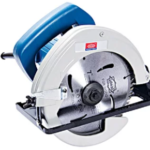
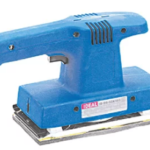
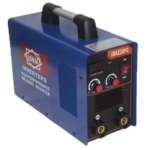


East and West Africa are emerging as high-growth markets for construction, mining, and industrial sectors. The demand for high-quality power tools is increasing due to rapid infrastructure development, urbanization, and the expansion of commercial projects.
For suppliers looking to expand into these regions, understanding local market dynamics, logistics, compliance, and buyer expectations is critical.
This article highlights the key factors businesses must consider when supplying power tools to East and West Africa to ensure successful market entry and sustainable operations.
1. Understanding Regional Market Demand
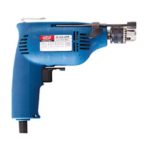
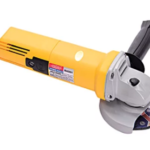
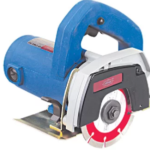
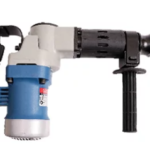
Before supplying power tools, it is essential to analyze market trends and identify high-demand products. In East Africa, countries such as Kenya, Uganda, Tanzania, and Rwanda are witnessing a construction boom, increasing the need for cordless drills, angle grinders, and heavy-duty saws.
In West Africa, Nigeria, Ghana, and Ivory Coast lead industrial growth, with higher demand for industrial-grade power tools for construction, mining, and fabrication. Suppliers should prioritize products that match local construction styles, project scales, and industry standards.
2. Compliance with Local Regulations
Each country in Africa has its regulatory frameworks governing imported machinery and electrical equipment. Key considerations include:
- Product certifications and safety standards
- Import duties and customs procedures
- Local testing and approvals where required
For example, Nigeria requires SONCAP certification for electrical tools, while Kenya and Ghana have specific KEBS and GSA standards. Suppliers must ensure full compliance to avoid shipment delays, fines, or rejected consignments.
3. Logistics and Distribution Networks
Reliable logistics are a cornerstone for supplying power tools in Africa. Many regions face challenges such as limited warehousing infrastructure, poor road networks, and customs delays.
Suppliers must plan:
- Efficient shipping routes via sea or air freight
- Partnering with local distributors for last-mile delivery
- Maintaining safety stock to avoid supply interruptions
Having a strong distribution network in East and West Africa ensures tools reach construction sites and industrial clients on time, improving customer trust and repeat business.
4. Quality and Durability of Products
African markets prioritize durable and reliable power tools that can withstand heavy use and harsh environmental conditions, including high humidity, dust, and heat.
Suppliers should focus on:
- Industrial-grade or professional-grade tools
- Cordless options with long battery life
- After-sales support and warranty coverage
Offering high-quality tools enhances the supplier’s reputation and reduces returns or complaints, which is crucial for building long-term client relationships.
5. Pricing Strategy and Market Affordability
Price sensitivity varies across East and West Africa. While large infrastructure projects may allow for premium tools, small and medium-sized contractors often prefer affordable but durable options.
Suppliers must balance:
- Competitive pricing to penetrate the market.
- Product quality to maintain credibility.
- Flexible payment options for B2B buyers.
Providing tiered product lines can cater to both budget-conscious buyers and high-end clients in the region.
6. Local Partnerships and Distributors
Establishing relationships with trusted local distributors is key to market entry. Local partners can:
- Navigate regulatory processes
- Provide insights into customer preferences
- Handle marketing, sales, and after-sales service
For Africa, partnering with distributors who understand regional languages, business culture, and buyer networks is a major advantage.
7. After-Sales Support and Training
Reliable after-sales service is a critical factor for buyers in Africa. Suppliers should provide:
- Warranty and repair services
- Tool maintenance guidance
- Technical support for construction and industrial teams
Training workshops and demonstration sessions increase customer confidence and encourage repeat purchases.
8. Adapting to Local Market Preferences
Understanding regional buyer preferences is important. For example:
- East African buyers may prefer cordless and lightweight tools for mobility across construction sites.
- West African buyers often prioritize high-capacity industrial tools for heavy-duty work.
Suppliers should customize product ranges, packaging, and promotional materials according to regional needs.
9. Payment Methods and Financial Flexibility
Cross-border transactions in Africa can face banking and currency challenges. Suppliers should consider:
- Accepting multiple payment options (wire transfer, letters of credit, digital payment platforms)
- Offering flexible payment terms for bulk buyers
- Ensuring secure and traceable transactions
Financial flexibility enhances trust and facilitates smoother B2B relationships.
10. Market Research and Continuous Monitoring
Africa’s construction and industrial markets are evolving rapidly. Suppliers should continuously monitor:
- Emerging infrastructure projects
- Competitor offerings and pricing
- Regulatory changes and import policies
- Customer feedback and product performance
Ongoing research allows suppliers to adapt strategies and maintain a competitive edge in East and West Africa.
AI Overview
Supplying power tools to East and West Africa requires market research, compliance, reliable logistics, durable products, local partnerships, and after-sales support to ensure successful operations.
FAQs
What power tools are in demand in East and West Africa?
Cordless drills, angle grinders, heavy-duty saws, and industrial-grade tools for construction and mining projects are most demanded.
Do power tools need certification for import into African countries?
Yes. Certifications like SONCAP in Nigeria, KEBS in Kenya, and GSA in Ghana are required for electrical tools.
How can suppliers ensure timely delivery in Africa?
By using efficient shipping routes, partnering with local distributors, and maintaining safety stock in key regions.
Why is after-sales support important for African buyers?
It ensures tool reliability, builds trust, reduces returns, and encourages repeat business.
Conclusion
Supplying power tools to East and West Africa requires careful planning, market understanding, and strategic execution. Key factors such as regional demand, compliance, logistics, product quality, pricing, local partnerships, after-sales support, and market adaptation determine success.
Companies like Al Silmiya Building Materials Trading that address these factors effectively can establish strong market presence, build long-term client relationships, and capitalize on the growing infrastructure and industrial opportunities across Africa.
By combining quality products, reliable distribution, and local market expertise, suppliers can become trusted partners for contractors, industrial companies, and construction firms across Africa.
Best Power Tool Brands Supplied By Al Silmiya
- Bosch Power Tools in UAE – Premium German-engineered tools known for durability, precision, and performance.
- AEG – High-performance power tools built for heavy-duty construction and workshop applications.
- Milwaukee – Industry-leading professional tools trusted for innovation, strength, and long-lasting batteries.
- Univ Power – Affordable and efficient tools suitable for everyday technical and maintenance work.
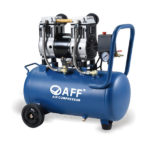
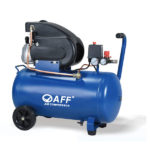
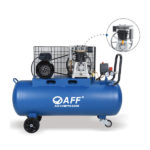
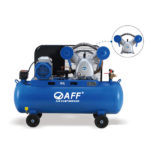
- AFF – Quality industrial tools designed to deliver consistent performance in demanding environments.
- Ideal Power Tools – Practical and dependable tools widely used for repair, installation, and workshop tasks.
- BRZ – Durable and reliable power tools built for professional construction and technical operations.