





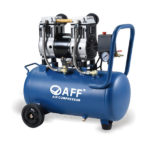
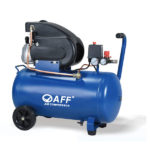
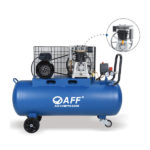


Air Compressors

The Role of Air Compressors in Automotive Repair

Automobiles need regular care to run well. Auto repair shops use many tools to fix cars. One of the most important tools is the air compressor.

This blog will explain how air compressors help in fixing cars. We will look at why they are so useful in auto repair shops.

What Is an Air Compressor?

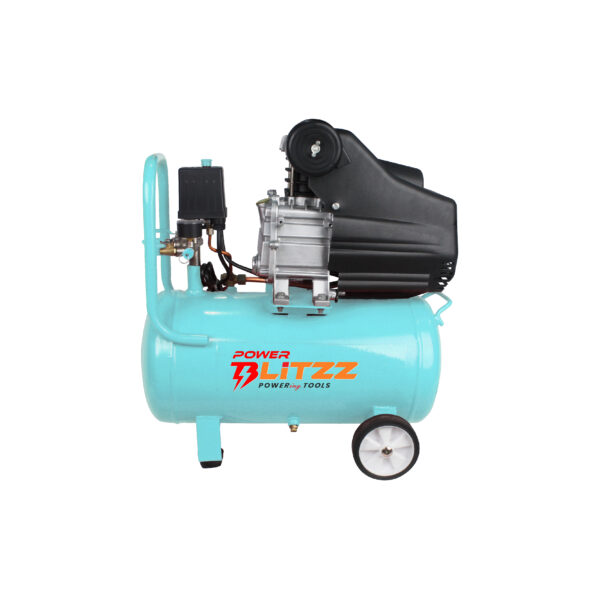
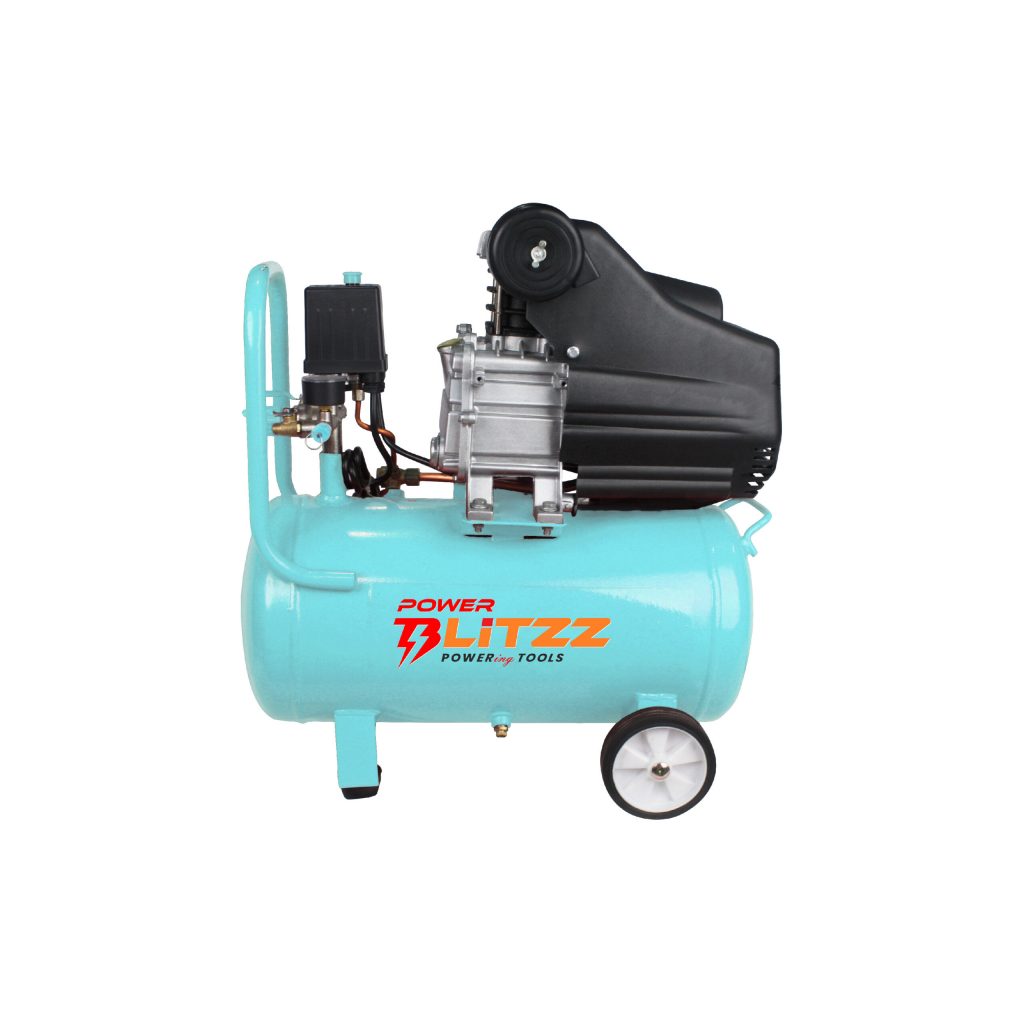
An air compressor is a machine that makes air pressure. It takes in normal air and squeezes it. This makes the air have more force. This high-pressure air can then power tools or do other jobs.

Why Are Air Compressors Important in Auto Repair?

Air compressors are very helpful in fixing cars. They make many jobs easier and faster. Here’s why auto shops need them:

Air compressors Power Air Tools

Many tools in an auto shop need air to work. These are called air tools or pneumatic tools. Some examples are:

  • Air wrenches
  • Spray guns
  • Air hammers
  • Tire inflators

These tools plug into the air compressor. The compressor gives them the air power they need to work.

Air compressors Clean Parts and Spaces

Air compressors can blow out dirt and dust. This is very useful in auto repair. Mechanics use them to:

  • Clean engine parts
  • Clear out hard-to-reach spots
  • Remove debris from brakes

Clean parts are easier to work on. They also help mechanics see problems better.

Air compressors Help Paint Cars

Autobody shops use air compressors for painting cars. The compressor powers spray guns. These guns need steady air pressure to paint evenly. Good painting needs a reliable air compressor.

Air compressors Fill Tires

Filling tires is a common job in auto shops. Air compressors make this job quick and easy. They can fill tires to the right pressure quickly. This is much better than using a hand pump.

Air compressors Help Test for Leaks

Mechanics use air compressors to find leaks in cars. They can:

  • Check for leaks in tires
  • Test if brake lines are sealed
  • Look for holes in exhaust systems

The high-pressure air makes it easier to spot where leaks are happening.

Common Uses of Air Compressors in Auto Repair

  • Engine Repair: Working on engines often needs air tools.
  • Brake Jobs: Fixing brakes also uses air power.
  • Body Work: Car body repairs rely on air compressors too.

Benefits of Using Air Compressors in Auto Repair

Using air compressors in auto shops has many benefits:

  • Speed: Air tools work faster than hand tools.
  • Power: They can do jobs that would be hard to do by hand.
  • Precision: Air-powered tools can be very accurate.
  • Efficiency: They help mechanics do more work in less time.
  • Versatility: One compressor can power many different tools.

These benefits make air compressors a must-have in auto repair.

Conclusion

Air compressors play a big role in fixing cars. They power important tools and help with many repair jobs.

From changing tires to painting cars, air compressors make auto repair faster and better.

As cars keep changing, air compressors will remain an important tool in auto shops. They help mechanics do their best work and keep our cars running well.

Air Compressors

How to Choose the Best Air Compressor for Automotive Repairs

For any professional automotive repair shop, having a reliable air compressor is non-negotiable. This powerful piece of equipment powers all the crucial hydraulic tools that technicians depend on daily, like impact wrenches, ratchets, and spray guns.

But how do you pick the best air compressor for your shop’s requirements when there are so many various models and specifications available? Let us examine some important aspects to think about.

Cubic Feet Per Minute (CFM) Rating: The Bigger, the Better

When shopping for an air compressor for automotive use, one of the most important points to look at is the CFM (cubic feet per minute) rating. This measures how much air volume the compressor can deliver.

The higher the CFM, the more mechanical tools it can power efficiently at once. An underpowered compressor will struggle to keep up, resulting in annoying lags and stalls while you’re trying to work.

For a professional shop environment with multiple technicians, you’ll want a heavy-duty model with a CFM rating of at least 15-20 CFM.

Tank Size Matters Too for The Air Compressor

Although CFM is important, tank size should also not be ignored. This refers to the compressed air storage capacity of the unit. Having a larger tank means more air reserves are built up, so tools can run longer without the compressor needing to constantly re-engage.

It allows for more consistent, uninterrupted use. In smaller buildings with one or two service bays, a twenty to thirty-gallon tank should be plenty. However, high-volume facilities may need 60 gallons or more to avoid workflow obstruction.

Prioritize Durability

Automotive repair is a tough environment; grease, dirt, and dropped tools. You want an air compressor built to withstand lots of damage and heavy usage without frequent breakdowns.

Look for models with industrial-grade components like cast iron cylinder bodies, sturdy metal air tanks, and thermally stable pump designs. Name brands from reputable manufacturers are always worth the investment for their superior longevity.

Noise Levels

Air compressors are noisy by nature as they cycle on and off. But some are definitely quieter than others, which can be a blessing for your technicians’ ears and sanity over the course of a workday.

Decibel ratings in the 60-70 dB range are considered fairly quiet for an air compressor. Anything over 80 dB will likely require hearing protection.

Two-Stage vs Single-Stage

Another option to consider is whether to choose a single-stage or two-stage air compressor model. Two-stage units have two cylinders; the first compresses air, and the second compresses it again for greater pressure.

While they are more expensive, they tend to be more efficient and capable of delivering higher CFM levels. Single-stage compressors are lighter and cheaper, but they can’t achieve quite as high air flow rates.

Conclusion

Any professional automotive repair facility needs the right air compressor in order to run efficiently and effectively.

Make sure to take into account practical aspects such as the size of your shop, the number of technicians, and the expected air demand when choosing your new compressed air system.

With a little research, you can find the perfect air compressor for maximum efficiency and longevity.

best-air-compressor-in-dubai

Choose Best Air Compressor for Painting in Dubai: Expert Guide

Choosing the right air compressor is essential for achieving a smooth, professional finish in any painting project. Whether you’re painting cars, furniture, or walls, the correct compressor helps maintain steady airflow and even paint coverage. In Dubai, where high-quality finishes and precision are valued, selecting the best air compressor for painting can make your work faster and cleaner.

Understanding Air Compressor Basics

Before selecting a compressor, it’s important to understand how CFM (Cubic Feet per Minute) and PSI (Pounds per Square Inch) affect performance. CFM determines the air volume output, while PSI measures the air pressure. For most spray painting applications, especially HVLP spray guns, a compressor with 8–15 CFM at 20–40 PSI delivers consistent results.

The tank size also matters. A compressor tank size for spray painting around 30–50 gallons is ideal for continuous use, while smaller tanks suit quick touch-ups and furniture jobs.

Choosing the Right Type of Air Compressor

There are various types of compressors suitable for painting tasks:

Rotary screw compressors work well for large-scale professional use, while reciprocating models are great for workshops. For mobility, a portable spray painting compressor in UAE is perfect for small projects or DIY work.

When painting indoors, a low noise compressor for indoor painting helps maintain a comfortable working environment without disturbing others.

Oil-Free Compressors for Clean Finishes

An oil-free air compressor for painting is highly recommended to prevent oil contamination that can ruin paint quality. These compressors are easy to maintain and provide clean, dry air for a flawless finish. For automotive work, an oil-free compressor for car painting ensures superior color accuracy and shine.

Adding a moisture trap compressor setup is especially useful in Dubai’s humid climate, keeping the air dry and preventing water spots on painted surfaces.

Air Pressure and Spray Gun Compatibility

Always match your compressor output to your spray gun’s requirements. If your gun needs 6 CFM at 40 PSI, select a compressor that provides at least 7–8 CFM to avoid inconsistent spraying. For fine-detail work, like furniture refinishing or automotive touch-up, a smaller unit can deliver precision while saving energy.

If you need versatility, go for a compressor for HVLP spray painting, which works efficiently with multiple gun types and delivers professional results on various surfaces.

Energy Efficiency and Maintenance

A reliable compressor should be durable, efficient, and easy to maintain. Choose energy-efficient air compressors for painting with adjustable regulators and thermal protection to save power and improve performance. Regular maintenance—like draining the tank, cleaning filters, and checking hoses—ensures longevity and consistent airflow.

FAQs

1. What size air compressor do I need for painting?

For most spray painting tasks, you need an air compressor with at least 50–100 liters (13–26 gallons) of tank capacity and an airflow rate of 6–12 CFM at 40 PSI. Larger projects or continuous spraying require bigger compressors (e.g., 150L+).

2. Is a 100L compressor enough for spraying?

Yes, a 100-liter compressor is generally enough for most automotive and furniture painting jobs. It provides steady airflow and minimizes downtime between refills. However, for industrial or large-surface work, a 150–200L unit is better.

3. How do I know what air compressor I need?

Check your spray gun’s air requirements (CFM and PSI ratings). Your compressor should deliver at least 20% more CFM than the spray gun demands. Also, match the tank size to your workload—smaller tanks for touch-ups, larger tanks for continuous spraying.

4. What PSI is best for painting with a compressor?

For HVLP (High Volume Low Pressure) spray guns, the ideal pressure is 25–30 PSI at the gun. For conventional spray guns, 40–50 PSI works best. Always adjust slightly based on paint thickness and desired finish.

Conclusion

Investing in the right air compressor guarantees smoother, more consistent paint application and reduces rework. Whether you need a portable spray painting compressor, an oil-free compressor for car painting, or a budget-friendly air compressor for painting projects, the key is to balance airflow, pressure, and tank size.

For painters in Dubai, selecting a durable, energy-efficient, oil-free air compressor ensures professional results across every surface making your painting faster, cleaner, and more efficient.

Ready to improve your painting setup?

Contact us to explore the best air compressors for painting in Dubai and achieve flawless, professional results for every project.

Explore More Expert Insights

Discover top-quality Bosch, Milwaukee, Univ Power, AEG, and Ideal power tools and accessories from leading dealers for your next project.

Air Compressors

Comparison between Portable and Stationary Air Compressors

When choosing an air compressor, its type should be right to accomplish your needs. A confusion that majorly impacts the decision is whether to choose a portable or stationary air compressor. To make the right choice, it’s important to understand the difference between them based on their advantages and disadvantages.

Portable Air Compressors

The cost of portable air compressors is all because of their mobility and versatility. If you value flexibility and need a compressor that can accompany you across job sites or tackle various tasks around your home, a portable unit might be your ideal choice.

Advantages:

Mobility:

Mobility is the most common advantage of portable air compressors. As they are lightweight and equipped with handles, you can effortlessly move them from one place to another. They are also compact.

Versatility:

Portable air compressors are versatile, meaning they can be used for several applications. They can be used for inflating tires and sports equipment, powering pneumatic tools, and others.

Space Efficiency:

If you have limited space in your workshop or garage, a portable air compressor won’t hog precious square footage. After using the compressor, you can store it in a corner or on a shelf.

Disadvantages:

Limited Power:

Portable air compressors usually offer lower horsepower and airflow capacity compared to their stationary counterparts. This limitation might impact the performance of high-demand pneumatic tools or machinery.

Continuous Duty Constraints:

Portable compressors are not designed for continuous, heavy-duty use. If they are used for longer hours, they overheat and their lifespan reduces.

Stationary Air Compressors

On the other hand, stationary air compressors are widely used in different industrial and commercial settings, especially heavy-duty applications. It’s said that stationary air compressors are a reliable, high-powered solution.

Advantages:

High Power Output:

Stationary compressors are available in larger capacities, offering higher horsepower and airflow rates. This makes them ideal for powering industrial machinery and equipment requiring a continuous air supply.

Durability:

Built for prolonged and intensive use, stationary compressors are designed with robust components, ensuring longevity and minimal maintenance requirements.

Customization:

Stationary air compressors have multiple customization options along with other additional features. These customization options help you personalize the system as per your specific requirements.

Disadvantages:

Lack of Mobility:

The primary drawback of stationary compressors is their immobility. Once installed, they are challenging to relocate, making them unsuitable for applications that require frequent movement.

Space Requirements:

Stationary compressors demand a dedicated space in your workshop or facility. You need to consider their physical footprint and plan your workspace accordingly.

The choice between a portable and a stationary air compressor ultimately depends on your requirements. If you prioritize mobility, versatility, and space efficiency, a portable compressor might be your best companion. However, if you demand high power output, durability, and customization options, a stationary compressor is your reliable workhorse.

Take into account your unique requirements and weigh the advantages and disadvantages of each type. This will support you in making the best choice and increase the effectiveness and output of your endeavours.