









As an experienced craftsman or DIYer, you know that having the right cordless tools for the job is essential to achieving quality results. When selecting cordless equipment, you often come across specifications like voltage, ampere-hours, and power ratings that can seem confusing at first glance.
Understanding these numbers is crucial for building a cordless toolkit that matches the demands of your work. This guide breaks down each specification clearly so you can make informed decisions and get the most out of your tools.
Know the Significance of Voltage
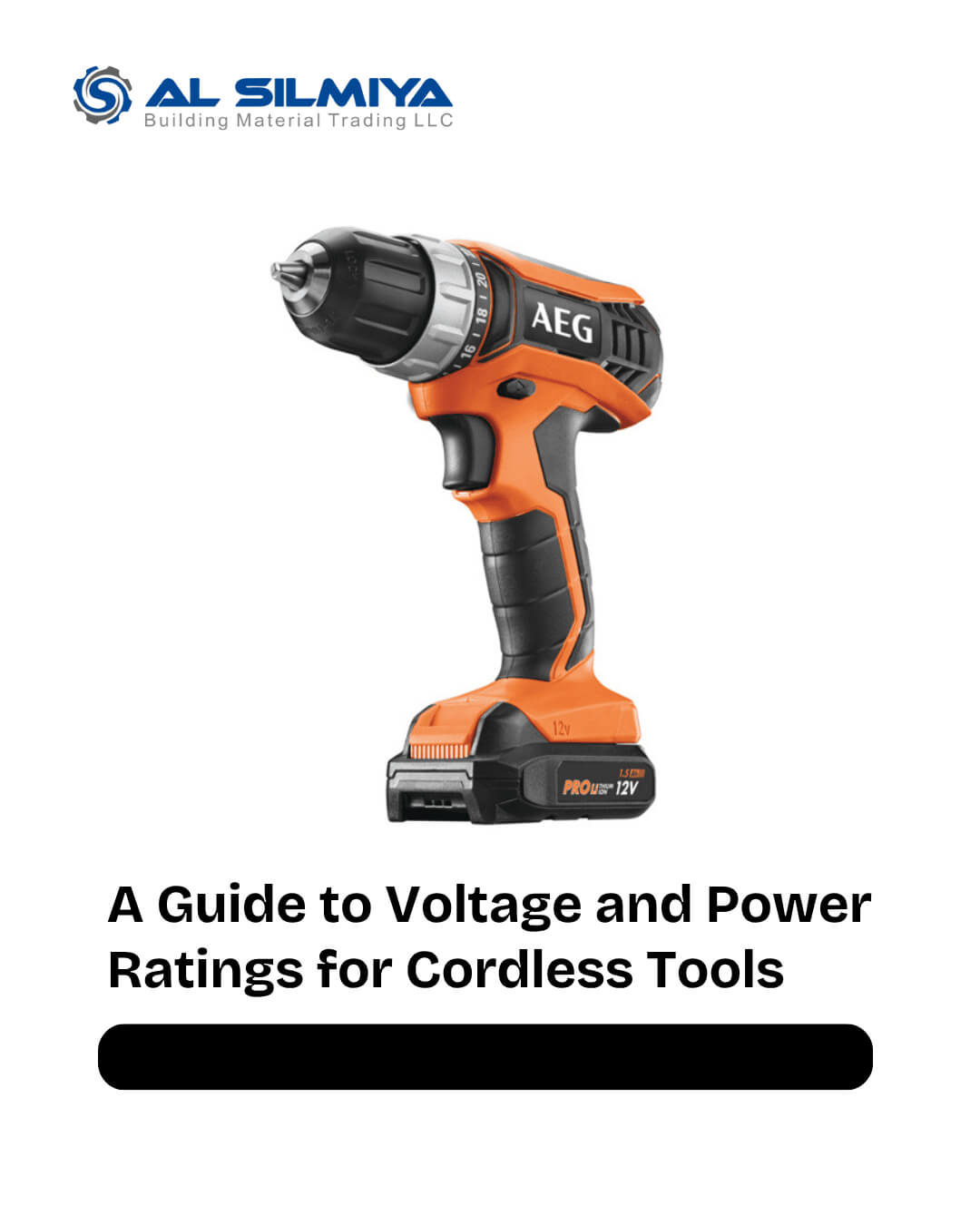
Voltage, measured in volts (V), represents the electrical force that drives current through a cordless tool. Common voltage ratings include 12V, 18V, and 21V. Higher voltage gives tools more strength to handle demanding tasks but also increases their size and weight.
When selecting cordless tools, strike a balance between power and portability. If your work mainly involves light-duty drilling or fastening, a 12V system provides sufficient strength in a lightweight, maneuverable package.
For more intensive applications such as drilling into dense materials or driving larger fasteners18V or 21V tools deliver the extra power required to get the job done efficiently, even if they are slightly heavier.
Matching the voltage to the type and frequency of your tasks ensures your toolkit remains both capable and comfortable to use.
Understanding Battery Capacity: Ampere-Hours
In addition to voltage, ampere-hour (Ah) ratings indicate battery capacity and influence how long you can operate a tool before needing to recharge. A higher Ah rating means the battery can supply power for a longer period, extending runtime significantly.
For longer projects or job site work, a higher Ah battery is useful because it reduces interruptions. However, keep in mind that higher-capacity batteries add a bit more weight. Aim for the right balance between runtime and tool weight based on how long your tasks typically last.
Evaluating Power Output and Torque
While voltage and Ah are important, power output measured in watts (W)shows how much actual work a tool can perform. Watts are calculated using both voltage and current. A higher watt rating means the tool can maintain performance under heavier loads.
For drills and drivers, torque is another key factor, typically measured in Newton meters (Nm). Higher torque provides greater rotational force, allowing you to drive larger screws and drill through tougher materials with ease.
Selecting tools with power and torque ratings appropriate to your application helps you work efficiently without overburdening your equipment. Overpowered tools can add unnecessary cost and weight, while underpowered ones may overheat or fail prematurely when pushed beyond their limits.
Understanding Brushed vs. Brushless Motors
Cordless tools traditionally relied on brushed motors, which use physical brushes to conduct electricity. These are reliable and cost-effective for occasional use.
However, modern brushless motors are increasingly popular because they operate more efficiently, generate less heat, and require less maintenance. Brushless tools typically provide longer runtimes, better power delivery, and extended service life, making them a smart investment for professionals or anyone who uses tools frequently.
If you use your cordless tools regularly, consider choosing brushless models for key equipment like drills, impact drivers, and grinders. For lighter or infrequent use, brushed tools offer adequate performance at a lower price point.
The Key is Matching Tools to Usage
The most effective cordless toolkit is built by matching specifications to actual work requirements. Voltage determines power potential, Ah ratings affect runtime, watts and torque indicate output strength, and motor type influences efficiency and durability.
By carefully evaluating these factors together, you can choose tools that meet your daily demands without unnecessary bulk or expense. A well-balanced toolkit gives you the strength and endurance you need while keeping your setup efficient and easy to handle.
Final Thoughts
Understanding voltage, battery capacity, power output, and motor types empowers you to select the right cordless tools for every job. Whether you’re assembling furniture, framing walls, or drilling into concrete, choosing the proper ratings ensures your equipment performs reliably and lasts longer.
If you are looking for cordless tools in Dubai, visit Al Silmiya Building Materials Trading for a range of reliable options designed to match professional and DIY needs.
Explore More Expert Insights
Discover top-quality Bosch, Milwaukee, Univ Power, AEG, and Ideal power tools and accessories from leading dealers for your next project.
- Choose Best Air Compressor for Painting in Dubai – Select the Ideal Air Compressor for Painting Jobs in Dubai
- Safety Precautions When Operating Welding Machines in Dubai – Key Safety Tips for Using Welding Machines in Dubai
- Power Tools in Dubai: Top 5 Tools Every Contractor Needs – Must-Have Power Tools for Contractors Working in Dubai
- 7 Must-Have Bosch Power Tools for Outdoor Projects in Dubai – Essential Bosch Power Tools for Outdoor Projects in Dubai
- What is the New Evolution of Power Tools Technology – Explore the Latest Advances in Power Tools Technology