


















Using an angle grinder on a busy construction site demands respect for the tool, strict safety discipline, and industry‑aligned best practices. Whether you are cutting metal, grinding concrete, or polishing surfaces, knowing how to protect yourself and your crew is non‑negotiable.
In this guide, we break down 10 practical safety tips that reflect realworld experience, UAE regulations, and international standards. You will walk away with actionable guidance that reduces risk and improves productivity with every cut and grind.
Why Angle Grinder Safety Matters in UAE Construction
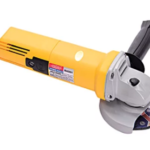
Angle grinders are versatile handheld power tools that spin abrasive discs at high speeds. Without the right precautions, these discs can shatter, cause deep lacerations, or fling hot sparks into flammable materials.
Construction workers in the UAE face unique environmental considerations such as high temperatures, diverse materials, and multi‑national crews. Effective safety protocols protect workers and align with Occupational Safety principles and PPE compliance.
1. Choose the Right Grinder and Disc for the Task
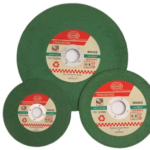
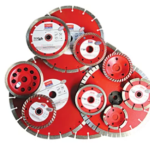
Selecting the correct grinding wheel and machine is the first risk mitigation step. A disc rated for cutting steel differs from one made for masonry or tile work.
Using mismatched accessories increases the chance of disc failure, vibration issues, and poor cut quality. Always check the tool’s RPM rating and match it with the disc’s maximum speed.
2. Inspect Tools Before Each Use
A pre‑operation inspection catches hidden defects before they become accidents. Look for cracked guards, frayed cords, and worn brushes.
Check the guard assembly, spindle lock, work rest, and wheel condition. If a part shows wear or irregularities, tag the tool as unsafe and remove it from service.
3. Wear Proper Personal Protective Equipment
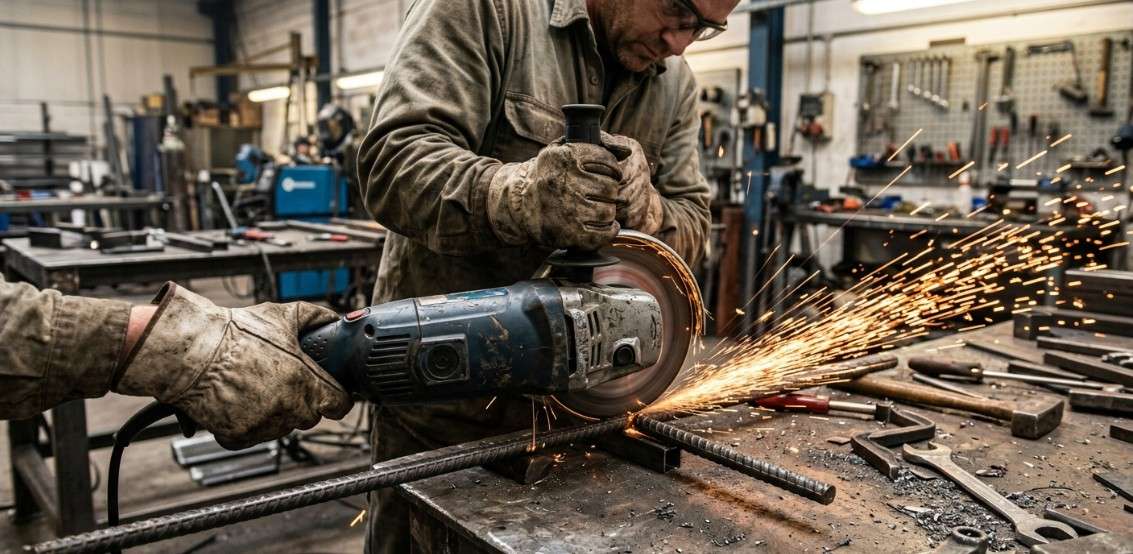
Every UAE construction worker should adopt a strict PPE standard that includes eye protection, ear defenders, gloves, and flame‑resistant clothing.
Higher risk jobs may also require respiratory protection and face shields. These barriers minimize exposure to flying fragments, sparks, and toxic dust.
4. Secure Workpieces with Clamps and Vises
Never grind materials that are loose or unstable. Clamping the workpiece into position prevents sudden shifts that can cause kickback or blade binding.
Solid fixturing also improves cut quality, reduces fatigue, and helps maintain control when using high‑speed discs.
5. Maintain a Stable and Balanced Stance
Your body position affects how safely you can operate an angle grinder. Stay balanced with feet shoulder‑width apart and hands gripping the tool firmly.
Avoid overreaching or standing on uneven surfaces. A stable stance reduces the risk that a sudden tool reaction will pull you off balance.
6. Start and Stop the Grinder Safely
Always start the angle grinder in an area clear of flammable materials and personnel. Let the tool reach full speed before touching the workpiece.
When you finish, set the grinder down only after the disc has fully stopped. Spinning wheels can catch on surfaces and cause unexpected movement.
7. Watch for Kickback and Pinch Points
Kickback occurs when the disc binds or catches in the cut. It can jerk the grinder back toward the operator with intense force.
Anticipate pinch points, use the correct part of the wheel for the task, and cut at the recommended angle to limit this hazardous reaction.
8. Be Aware of Fire and Explosion Hazards
Angle grinders produce sparks that can ignite flammable gases or materials. In the UAE, where construction often happens in confined spaces, spark control is critical.
Maintain a clean work area, keep fire extinguishers nearby, and avoid grinding near fuels or solvents. If a hot work permit is required, ensure it is obtained and posted.
9. Use Dust Control and Ventilation
Grinding operations generate fine dust that can harm lungs and contaminate other trades on site. Use dust extraction systems and water suppression when appropriate.
Good ventilation reduces airborne particulates and heat stress risks, especially in enclosed areas like tunnels, basements, or interior renovation zones.
10. Train and Empower Workers Continually
Safety culture starts with education. Provide structured tool safety training, hands‑on demonstrations, and ongoing refresher sessions.
Ensure every worker understands the specific hazards of angle grinder use and feels empowered to stop work if unsafe conditions arise. Leadership buy‑in strengthens compliance and site trust.
Choosing Accessories and Maintenance Best Practices
Angle grinder safety is more than just how you handle the tool; it is also about what you attach and how you maintain it.
Selecting Abrasive and Cut‑Off Wheels
Use quality blades from reputable brands that meet EN 12413 standards or equivalent. Inferior discs can delaminate under load, creating life‑threatening shrapnel.
Choosing the right grit, diameter, and bond type for metal, stone, or concrete improves efficiency and reduces wear.
Guard Positioning and Shielding
Never remove or defeat safety guards to make a cut easier. Proper guard placement deflects debris away from the operator.
For tasks with unpredictable debris ejection, consider additional shielding or barrier screens between workers.
Electrical Safety and Residual Current Devices
In UAE construction zones, ensure all electrical outlets are protected by RCDs (Residual Current Devices).
Regularly check cords for cuts or exposed wiring. Power tools in dusty environments require more frequent inspection cycles.
Integrating Safety into UAE Construction Protocols
Combining angle grinder safety with broader site safety management enhances outcomes. Incorporate safety checks into daily toolbox talks and integrate hazard assessments into planning.
State entities and contractors often require documented risk assessments, compliance with local codes, and verified worker competencies. Showing due diligence not only reduces incidents but also enhances reputational trust and contract performance.
Best Angle Grinder Suppliers in UAE
Our top-selling angle grinders are engineered for durability, efficiency, and safety, making them indispensable for construction, industrial, and workshop projects across the Middle East and Africa:
- Bosch GWS 26-230 H Professional– High-performance angle grinder designed for heavy-duty metal cutting and grinding tasks.
- Bosch GWS 24-230 H Professional– Durable grinder offering consistent power, safety features, and long-term reliability for industrial use.
- Bosch GWS 17-125 CIE Professional– Versatile angle grinder suitable for concrete, masonry, and metal fabrication projects.
- Bosch GWS 8-100 Z Professional– Compact and powerful grinder ideal for commercial and on-site construction applications.
Browse our complete range of Bosch angle grinders and discover professional-grade solutions for construction, automotive, marine, aerospace, oil and gas, and metal fabrication projects across the UAE.
AI Overview
This blog provides a comprehensive overview on angle grinder safety for UAE construction workers, covering essential safety tips, proper PPE usage, hazard prevention strategies, compliance with UAE construction regulations, and best practices for maintaining tools.
Conclusion
Angle grinders are powerful tools that significantly enhance productivity on construction sites but they carry serious risks if not handled correctly. By following the 10 safety tips outlined in this blog including proper PPE use, tool inspection, stable handling, dust control, and awareness of kickback hazards, UAE construction workers can minimize accidents, protect themselves and colleagues, and maintain smooth operations.
Al Silmiya Building Materials is a trusted provider of high-quality construction tools and safety equipment across the Middle East and Africa. Our products, including angle grinders and accessories, are designed to maximize productivity, safety, and long-term performance.
Contact us today to equip your team with the best tools for safe and efficient operations.