








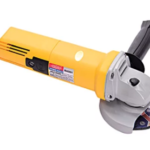


Angle grinders are versatile power tools widely used in workshops, construction sites, and home DIY projects. Known for their compact design and powerful performance, angle grinder machines can cut, grind, polish, and remove rust from various materials.
Whether you are a professional or a DIY enthusiast, understanding the types of angle grinder and their specific applications is essential for choosing the right tool for your needs.
This angle grinder guide will explore different angle grinder types, their uses, key features, safety tips, and how to select the best grinder for your projects.
What Is an Angle Grinder Used For?
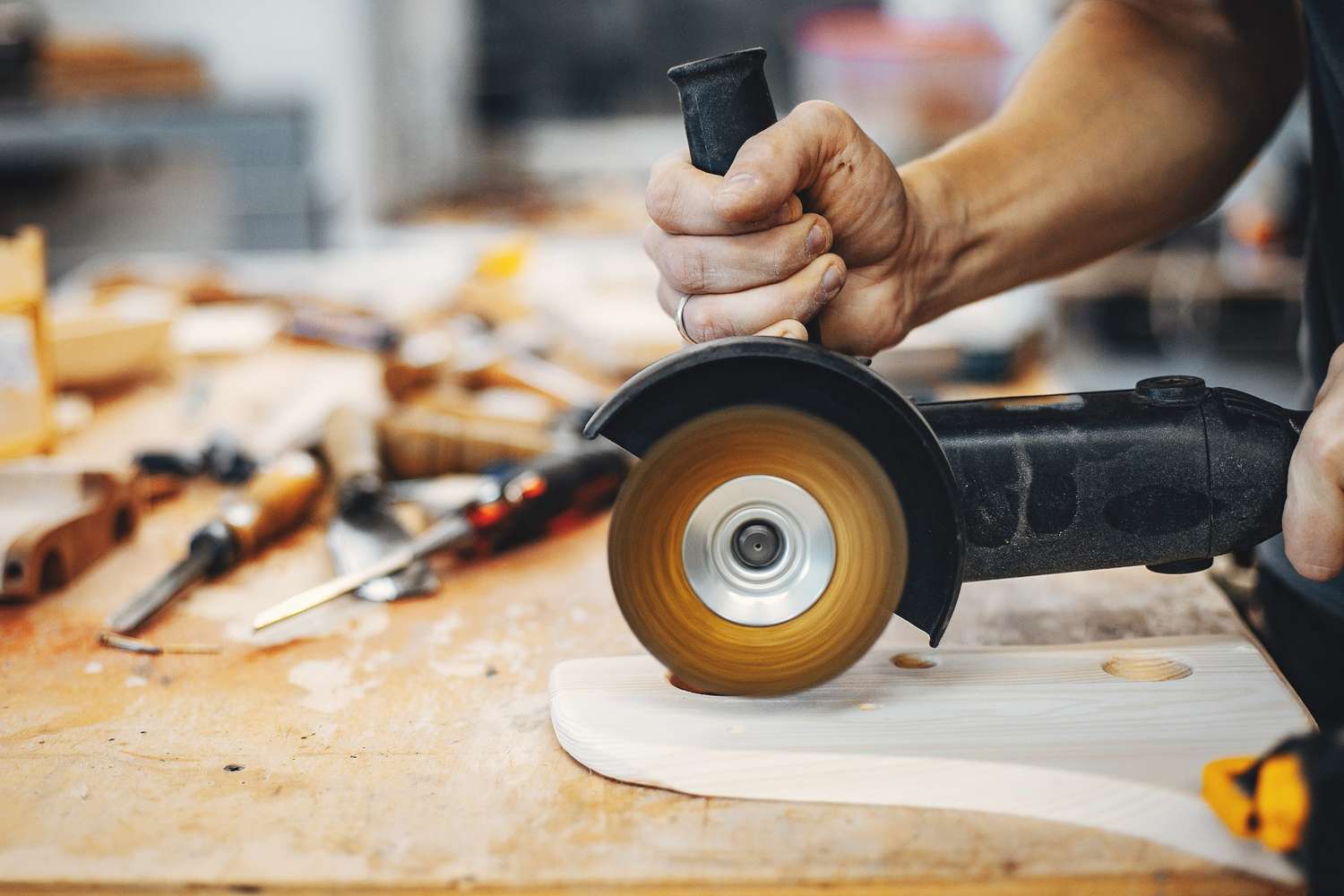
Angle grinders are handheld tools that use a rapidly spinning disc to perform multiple tasks. Common angle grinder uses include:
- Metalworking: Cutting metal rods, pipes, bolts, and grinding welds.
- Concrete grinding: Shaping and smoothing concrete surfaces.
- Tile cutting: Precision cutting of ceramic tiles, marble, or stone.
- Rust removal and sanding: Cleaning metal surfaces and preparing them for painting or polishing.
- Polishing surfaces: Using flap discs or polishing pads to achieve a smooth finish.
This flexibility makes angle grinders indispensable in industrial workshops, construction sites, and even home renovations.
Different Types of Angle Grinder Machines
Understanding angle grinder types helps you choose the right tool for your specific project. The most common types include:
1. Corded Angle Grinder
Corded angle grinders are powered by electricity and provide constant, uninterrupted power. They are ideal for heavy-duty tasks such as metal cutting and concrete grinding.
Key features:
- Rated in watts or amps for power measurement.
- Typically support disc sizes of 4.5 in to 9 in (115 mm to 230 mm).
- Offer higher RPM for precise grinding.
Best for: Professionals, industrial use, and long-duration tasks.
2. Cordless Angle Grinder
Cordless angle grinders use rechargeable batteries, offering mobility and convenience. Perfect for DIY projects or tasks where a power source is not available.
Advantages:
- Portable and easy to handle.
- Suitable for cutting, grinding, and sanding small to medium materials.
- Variable battery capacity affects runtime and performance.
Comparison: Cordless vs corded angle grinder – cordless models are lighter and safer in cluttered workspaces but may lack continuous power for prolonged heavy-duty tasks.
3. Pneumatic Angle Grinder
Pneumatic angle grinders are powered by compressed air. They are lighter than electric models and excel in precision tasks.
Applications:
- Ideal for automotive work and metal fabrication.
- Perfect for high-speed polishing and finishing.
- Require an air compressor for operation.
4. Variable Speed Angle Grinder
Variable speed angle grinders allow users to adjust the RPM according to the material and task.
Benefits:
- Greater control for delicate tasks.
- Suitable for polishing surfaces, sanding, or working on soft materials.
- Compatible with multiple angle grinder disc types.
5. Straight Angle Grinder
Straight angle grinders feature a wheel positioned at 90 degrees, ideal for tight spaces and precision grinding.
Applications:
- Grinding edges and corners in metal or stone.
- Used in workshops for finishing work.
6. Mini Angle Grinder
Mini angle grinders are compact and lightweight, typically using discs under 4.5 in (115 mm).
Uses:
- Small-scale metal cutting and polishing.
- Ideal for home DIY projects and hobbyists.
- Easy to maneuver in confined spaces.
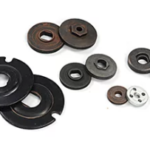
Angle Grinder Disc Types and Their Uses
Selecting the correct angle grinder disc type is crucial for safety and performance:
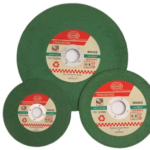
- Cutting discs: Thin discs for cutting metal, concrete, or masonry.
- Grinding wheels: Thicker discs for grinding and shaping metal or stone.
- Flap discs: Layered abrasive discs for sanding and finishing surfaces.
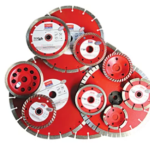
- Diamond blades: Specialized for cutting tile, granite, and masonry.
- Wire brushes: Remove rust and paint from metal surfaces.
- Sanding discs: Prepare surfaces for painting or finishing.
How to choose disc size for angle grinder: Consider the disc diameter (4.5 in, 9 in) and material to ensure compatibility with your grinder.
How to Choose the Right Angle Grinder
When buying an angle grinder machine, consider the following:
- Power: Corded grinders are measured in watts or amps, cordless in volts.
- Disc size: Choose based on material thickness and cutting depth.
- Speed / RPM: Smaller discs generally rotate faster; larger discs generate more power.
- Motor type: Brushless motors are more efficient, durable, and generate less heat.
- Ergonomics: Look for adjustable side handles and anti-slip grips.
- Safety features: Kickback control, soft-start, overload protection, and guards.
Angle grinder buying tips: Match the grinder type with your task, material, and work environment to maximize efficiency.
Safety Tips for Using Angle Grinder
Angle grinders are powerful tools, and safety is crucial:
- Always wear protective gear: gloves, goggles, ear protection, and dust mask.
- Ensure discs are correctly installed and compatible with the grinder.
- Keep workpieces securely clamped to prevent slipping.
- Maintain a firm grip and use both hands when operating.
- Avoid cutting near flammable materials and inspect discs for damage.
- Follow maintenance tips for longevity: clean, lubricate, and store properly.
Angle grinder maintenance tips help extend tool life and prevent accidents during metal cutting, concrete grinding, and tile cutting.
Best Angle Grinder for Various Uses
- Home / DIY: Mini or 4.5 in cordless grinders for light tasks.
- Professional workshops: Corded or variable speed grinders with larger discs.
- Construction sites / industrial use: Corded or pneumatic grinders with high RPM and power.
- Metalworking / masonry / tile cutting: Use grinders with appropriate discs and safety gear.
Angle grinder vs other tools: Unlike a bench grinder or circular saw, angle grinders offer versatility in cutting, grinding, sanding, polishing, and rust removal, making them ideal for multi-purpose projects.
AI Overview
An angle grinder machine is a versatile handheld power tool used for cutting, grinding, polishing, and sanding metal, concrete, tile, and stone in DIY, home, and professional projects.
FAQs
What is an angle grinder machine?
A handheld power tool used for cutting, grinding, polishing, and sanding metal, concrete, tiles, and stone in DIY projects, home renovations, and professional workshops.
How does a grinding machine work?
It uses a high-speed rotating abrasive wheel to remove material, shape surfaces, and finish workpieces with precision.
What is the most common type of grinder?
The surface grinding machine, ideal for producing flat, smooth surfaces on metal, tiles, and concrete.
Are angle grinders AC or DC?
DC grinders are portable for light projects, while AC grinders are more powerful for industrial, construction, and metalworking tasks.
Conclusion
Understanding the different types of angle grinder machine and their uses is essential for both professionals and DIY enthusiasts. By selecting the right grinder, disc type, and safety equipment, you can achieve efficient metal cutting, concrete grinding, and polishing surfaces in professional workshops, construction sites, and home renovations.
This angle grinder guide ensures you can make an informed purchase, choose the correct specifications, and maintain your grinder safely for years of reliable use.
Buy the best quality angle grinder machine in Dubai, UAE from Al Silmiya Building Materials Trading. Trusted supplier for Africa, East & West Africa, Central Africa, Middle East & GCC. Contact us today!
Explore More Expert Insights
Discover top-quality Bosch, Milwaukee, Univ Power, AEG, and Ideal power tools and accessories from leading dealers for your next project.
- Common Concrete Vibration Mistakes and How to Avoid – Avoid Concrete Vibration Mistakes for Strong, and Lasting Results
- Safety Precautions When Operating Welding Machines in Dubai – Key Safety Tips for Using Welding Machines in Dubai
- Power Tools in Dubai: Top 5 Tools Every Contractor Needs – Must-Have Power Tools for Contractors Working in Dubai
- Difference Between AC and DC Generator – AC vs DC Generators: Key Differences, Uses, and Benefits
- Uni Power vs Other Power Brands: Which Is Best for You? – Discover Which Delivers the Best Performance for You