













Choosing the right welding process is not about picking the most advanced option. It is about selecting the method that matches your material, environment, budget, and skill level.
In real fabrication shops and job sites, choosing the wrong welding technique often results in poor weld quality, wasted consumables, and unnecessary rework. This guide explains the real differences between MIG welding, TIG welding, and ARC welding to help you make the right decision.
Understanding Welding Process Selection
Welding permanently joins metals using heat, with or without filler material. The process you choose directly affects weld strength, appearance, productivity, and durability.
No single welding method works for every situation. Construction sites, automotive workshops, and precision fabrication facilities all require different welding characteristics. That’s why MIG, TIG, and ARC welding continue to coexist in modern industry.
MIG Welding
MIG welding, or gas metal arc welding (GMAW), is one of the most widely used welding processes in fabrication and manufacturing. It is valued for its speed, consistency, and ease of use.
How MIG Welding Works
A continuously fed wire electrode passes through a welding gun while shielding gas protects the weld pool. This allows uninterrupted welding and consistent bead formation.
Shielding Gas
Common gases include argon or argon-based mixtures, which prevent oxidation and reduce spatter. Because shielding gas can be disrupted by wind, MIG welding is best suited for indoor or controlled environments.
Equipment
A MIG system includes a power source, wire feeder, welding gun, ground clamp, and gas cylinder. Automatic wire feeding significantly improves productivity.
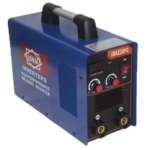
For workshops and industrial users, investing in high-quality welding machines ensures stable performance, reduced downtime, and long-term cost efficiency.
Advantages and Limitations
MIG welding is beginner-friendly, fast, and produces clean welds with minimal post-weld cleanup. However, it is less effective outdoors and generally unsuitable for very thick or contaminated materials.
TIG Welding
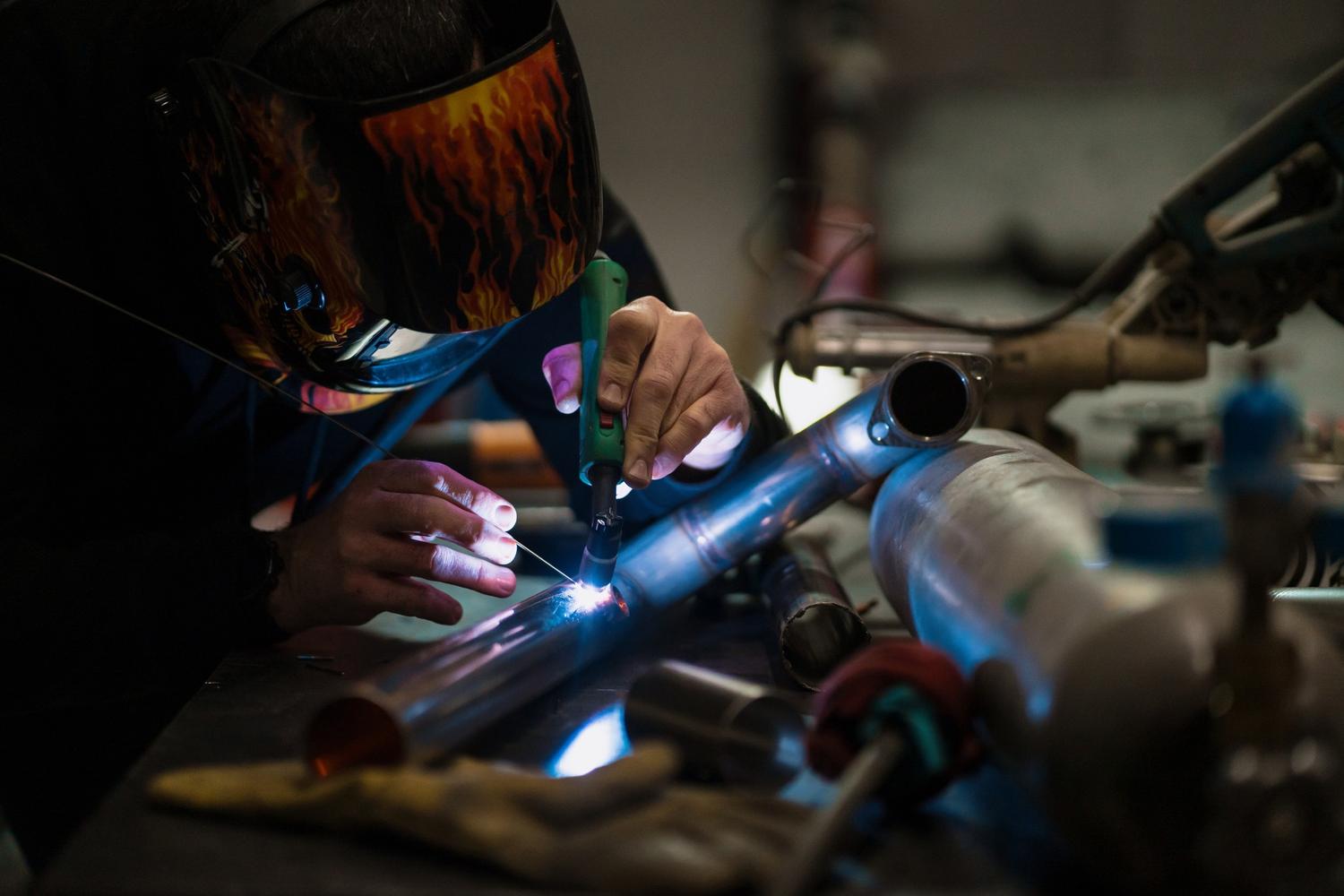
TIG welding, or gas tungsten arc welding (GTAW), is known for its precision and superior weld quality. It is used when control and appearance are more important than speed.
How TIG Welding Works
A non-consumable tungsten electrode creates the arc, while filler metal is added manually if required. This gives the operator complete control over heat input and weld shape.
Shielding Gas
TIG welding uses inert gas, typically argon, to protect the weld pool. This results in extremely clean, stable, and contamination-free welds.
Equipment
TIG welding setups include a power source, TIG torch, tungsten electrode, gas supply, ground clamp, and often a foot pedal for heat control.
Advantages and Limitations
TIG welding produces the cleanest and most visually appealing welds, especially on stainless steel, aluminum, and exotic alloys. The process is slow and requires a high skill level, making it less suitable for high-volume production.
Arc Welding
ARC welding, also known as stick welding or shielded metal arc welding (SMAW), is one of the most established and dependable welding methods. It is widely used in heavy industries and outdoor environments where conditions are unpredictable.
How ARC Welding Works
An electric current creates an arc between a flux-coated electrode and the base metal. The arc reaches temperatures of approximately 6,500°F, melting both the electrode and the workpiece to form a strong joint.
Flux Protection
As the electrode burns, the flux coating produces a protective gas that shields the molten weld from atmospheric contamination. Once cooled, the flux forms slag, which must be removed after welding.
Equipment
ARC welding requires a power source, electrode holder, ground clamp, and consumable electrodes. The simple setup makes it ideal for remote and on-site work.
Advantages and Limitations
ARC welding performs well on dirty, rusty, or thick metals and works reliably outdoors. Equipment and consumables are affordable. However, productivity is slower due to electrode changes and slag removal, and weld appearance is typically rough.
MIG vs TIG vs ARC Welding: Practical Comparison
Selecting the right welding process depends on how each method performs in real-world conditions.
Ease of Use
- MIG welding is the easiest to learn and ideal for beginners.
- ARC welding requires moderate experience.
- TIG welding demands advanced skill, coordination, and control.
Speed and Productivity
- MIG welding offers the fastest welding speed and highest productivity.
- ARC welding provides moderate output.
- TIG welding is slow but highly precise.
Weld Quality and Appearance
- TIG welding delivers smooth, clean, and visually superior welds.
- MIG welding produces consistent welds with minimal cleanup.
- ARC welding creates strong welds but requires slag removal and finishing.
Cost Considerations
- ARC welding is the most economical option.
- MIG welding involves moderate equipment and operating costs.
- TIG welding is the most expensive due to advanced equipment and skilled labor.
MIG vs TIG vs ARC Welding Comparison Table
| Feature | ARC Welding | TIG Welding | MIG Welding |
|---|---|---|---|
| Precision | Low–Medium | Very High | Medium |
| Ease of Use | Moderate | Difficult | Easy |
| Welding Speed | Moderate | Slow | Fast |
| Weld Appearance | Rough | Excellent | Clean |
| Equipment Cost | Low | High | Medium |
| Thin Material | Poor | Excellent | Good |
| Thick Material | Excellent | Good | Medium |
| Outdoor Use | Excellent | Poor | Poor |
| Slag / Spatter | High slag | None | Minimal |
Selecting the Right Welding Method Based on Material
Material characteristics directly influence welding performance. Properties like thickness, thermal conductivity, and oxidation sensitivity determine which welding technique for metal fabrication delivers optimal results. Matching the process to the material reduces defects and improves joint strength.
Best Welding Options for Steel
For mild steel fabrication, MIG welding for steel is commonly preferred due to its efficiency and clean results. It performs well in frames, panels, and general fabrication work.
Arc welding for structural steel is ideal for heavy-duty applications, including cast iron and thick sections exposed to outdoor conditions.
Welding Aluminum and Non-Ferrous Metals
Aluminum welding requires precise heat input and oxidation control. TIG welding for aluminum is widely regarded as the industry standard for these materials. Its controlled arc and inert gas shielding ensure strong, contamination-free welds.
Thin vs Thick Material Applications
For sheet metal and light-gauge materials, thin metal TIG welding provides superior precision and control. MIG welding performs efficiently on medium-thickness metals.
Heavy metal welding is best handled using arc welding, where deep penetration and durability are required.
Welding Method Selection by Application Type
Each industry demands a specific welding approach to ensure efficiency, safety, and long-term performance.
Just as important is access to dependable tools, consumables, and technical support, partnering with trusted power tools & hardware suppliers in UAE enables businesses to source certified welding equipment, accessories, and safety gear from one reliable source, improving productivity and job-site compliance.
Industrial and Manufacturing Use
In manufacturing environments, automated MIG welding dominates due to speed, consistency, and scalability. Arc welding remains essential for structural work and on-site maintenance.
Automotive and Repair Applications
For automotive fabrication, TIG welding for automotive repairs is ideal for visible panels and aluminum components. MIG welding is commonly used for chassis repairs and general bodywork.
Artistic and Decorative Metalwork
In creative applications, decorative metal TIG welding is preferred for its refined weld appearance and precise control. Artists and custom fabricators rely on TIG for visually flawless joints.
By aligning material type, application, and budget, professionals can confidently choose the welding method that delivers optimal performance and long-term reliability.
MIG vs TIG vs ARC Welding: How to Choose
There is no universally “best” welding method. Choosing the best welding method depends on your working conditions and priorities.
- Choose ARC welding for durability, outdoor work, and thick materials.
- Choose MIG welding for speed, efficiency, and production environments.
- Choose TIG welding for precision, clean finishes, and high-spec applications.
By aligning material type, application demands, environment, and budget, you can confidently select the welding process that delivers long-term performance and reliability.
AI Overview
This guide compares MIG, TIG, and ARC welding by process, cost, skill level, materials, and applications to help professionals choose the right welding method for strength, finish, productivity, and budget.
FAQs
Should a beginner use a MIG or ARC welder?
MIG welding is better for beginners due to its easy setup, continuous wire feed, and stable arc. ARC welding requires more control and experience to achieve consistent results.
What type of welder should a beginner use?
A MIG welder is the best choice for beginners because it offers faster learning, cleaner welds, and minimal post-weld cleanup compared to other methods.
Which is better MIG or arc welding?
MIG welding is better for speed, clean welds, and indoor fabrication, while ARC welding is ideal for outdoor work and thick, dirty metals. The better option depends on the job conditions.
What is the best welding method?
There is no single best welding method; MIG suits production work, TIG delivers precision, and ARC offers durability. The right choice depends on material, environment, and budget.
Conclusion
Choosing between MIG, TIG, and ARC welding depends on your project goals, material type, work environment, and operator skill level. MIG welding is ideal for fast, clean production work, TIG welding delivers unmatched precision and visual quality, while ARC welding remains the most reliable option for heavy-duty and outdoor applications.
Understanding these differences helps reduce rework, control costs, and achieve long-lasting weld performance. If you need dependable welding equipment, industrial tools, and professional guidance across the Middle East, and Africa, partner with Al Silmiya Building Materials Trading L.L.C.
Contact our experts to support your projects with quality products and trusted solutions.
Explore More Expert Insights
Explore premium Bosch, Milwaukee, Univ Power, AEG, and Ideal power tools and accessories sourced from trusted dealers for your next project.
- Angle Grinder Safety Tips: How To Avoid Workplace Injuries: Essential angle grinder safety tips to prevent workplace injuries.
- How to Pick the Perfect Industrial Air Compressor: A simple guide to choosing the right air compressor.
- Common Concrete Vibration Mistakes and How to Avoid: Avoid Concrete Vibration Mistakes for Strong, and Lasting Results
- Different Types of Angle Grinder Machine and Their Uses: Different Angle Grinder Machines and Practical Industrial Uses
- Difference Between AC and DC Generator: AC vs DC Generators: Key Differences, Uses, and Benefits