







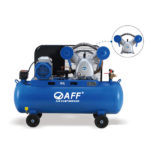
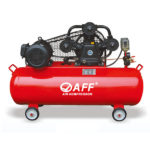
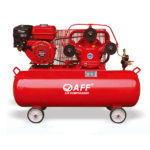
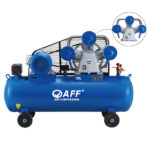




Choosing the right industrial air compressor is a critical decision for any business, whether you operate in automotive, manufacturing, food processing, or pharmaceutical industries. A properly selected air compressor not only ensures reliable operations but also reduces energy costs, extends equipment lifespan, and improves workplace productivity.
With so many options available, understanding types of air compressors, airflow requirements, pressure specifications, and energy efficiency is essential. This guide will help you make an informed decision while maximizing performance and minimizing operational issues.
Types of Industrial Air Compressors
Industrial air compressors come in several types, each designed for specific applications. Understanding their advantages, limitations, and ideal use cases is key to picking the perfect compressor for your business.
Reciprocating Compressors
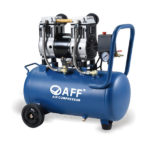
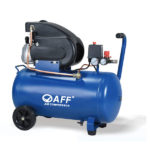
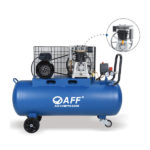
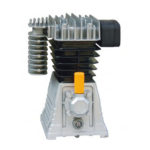
Reciprocating, or piston compressors, are ideal for small-scale or intermittent use. They use pistons to compress air into a tank and are commonly found in workshops, automotive repair shops, and small manufacturing facilities.
Advantages:
- Durable and reliable
- Low initial investment
- Easy maintenance and spare parts availability
Disadvantages:
- Noisy operation
- Limited duty cycle for continuous use
- Vibrations may require reinforced installation
Best For: Small workshops, light industrial applications, and businesses with moderate compressed air demand.
Rotary Screw Compressors
Rotary screw compressors are designed for high-demand industrial operations. Using two interlocking screws, they provide continuous airflow efficiently and quietly.
Advantages:
- High energy efficiency
- Quiet operation suitable for indoor installations
- Long duty cycle and low maintenance
Disadvantages:
- Higher upfront cost
- Requires specialized maintenance personnel
Best For: Factories, large workshops, and industrial plants requiring continuous airflow and energy-efficient operation.
Oil-Free Scroll Compressors
Oil-free scroll compressors are perfect for industries that require contaminant-free air, such as pharmaceuticals, food processing, and laboratories. These compressors use intermeshing scrolls to compress air without oil, ensuring purity and low maintenance.
Advantages:
- Contamination-free compressed air
- Quiet and efficient operation
- Minimal maintenance requirements
Disadvantages:
- Higher cost than oil-lubricated compressors
- Limited capacity compared to rotary screw compressors
Best For: Hospitals, laboratories, and food or pharmaceutical manufacturing plants.
Centrifugal Compressors
Centrifugal compressors are dynamic, high-capacity machines suitable for large-scale industrial applications. They utilize high-speed impellers to compress air efficiently.
Advantages:
- Handles very large volumes of air
- Oil-free options available
- High efficiency for continuous operations
Disadvantages:
- Expensive initial investment
- Requires professional installation and maintenance
Best For: Major industrial plants, refineries, beverage production, and large-scale manufacturing facilities.
Key Factors to Consider
Airflow and Pressure Requirements
Determining your facility’s air demand in cubic feet per minute (CFM) is crucial. Sum the CFM of all tools and equipment operating simultaneously to ensure your compressor can meet peak demand.
Pressure requirements, measured in pounds per square inch (PSI), should match or exceed the specifications of your machinery. Overestimating slightly is better than underestimating to account for future expansion.
Duty Cycle
The duty cycle indicates how long a compressor can operate before needing rest. Reciprocating compressors are suitable for low duty cycles, while rotary screw and centrifugal compressors excel in continuous-duty applications.
Air Quality
Air quality requirements differ by industry. Oil-lubricated compressors are adequate for general manufacturing, while oil-free compressors are essential for food, pharmaceutical, and medical applications where contamination is unacceptable.
Energy Efficiency
Energy costs constitute a significant portion of operational expenses. Consider compressors with variable speed drives (VSD), which adjust motor speed according to air demand, reducing energy consumption during low-load periods. Energy-efficient compressors also reduce maintenance costs and contribute to a greener workplace.
Installation Considerations
Proper installation ensures optimal compressor performance. Allocate space for a dedicated compressor room with ventilation and insulation. Place compressors near high-demand equipment to minimize pressure loss. Ensure electrical compatibility, choosing between single-phase or three-phase power based on your facility’s requirements.
Maintenance and Spare Parts
Choose a compressor with easy access to spare parts and a supplier offering local support. Regular maintenance is essential for prolonging equipment life and ensuring consistent performance.
Common Mistakes to Avoid
- Oversizing the Compressor: A larger-than-necessary compressor increases upfront cost and reduces energy efficiency. Always calculate actual CFM and PSI requirements.
- Assumption-Based Selection: Avoid choosing a compressor based on assumptions or brand popularity. Use precise calculations and consult experts if needed.
- Neglecting Air Quality: Failing to consider oil-free or filtered air can lead to contamination in sensitive processes.
- Ignoring Facility Constraints: Ensure adequate ventilation, space, and electrical supply to avoid operational issues.
Industry-Specific Recommendations
- Automotive and Workshop Applications: Reciprocating or small rotary screw compressors for intermittent use and moderate airflow.
- Manufacturing Plants: Rotary screw compressors for continuous operation and energy efficiency.
- Food and Pharmaceutical Industries: Oil-free scroll compressors to ensure contaminant-free air.
- Large-Scale Industrial Facilities: Centrifugal compressors for high-volume airflow and efficiency.
Why Choose a Trusted Supplier
Selecting the right industrial air compressor in UAE is just part of the process. Partnering with a reliable supplier ensures expert guidance, proper installation, and ongoing support. Trusted suppliers provide:
- Expert consultation to determine optimal compressor type and size
- Energy-efficient solutions tailored to your operational needs
- Local maintenance services and access to spare parts
- Support for installation, configuration, and performance monitoring
AI Overview
Choosing the right industrial air compressor ensures reliable operations, energy efficiency, and extended equipment life for automotive, manufacturing, food, and pharmaceutical industries.
FAQs
How to choose an industrial air compressor?
Choose an industrial air compressor by assessing your airflow (CFM) and pressure (PSI) requirements, duty cycle, type of compressor, air quality needs, energy efficiency, and installation space.
Which compressor is best for industrial use?
The best compressor depends on your application: reciprocating for small workshops, rotary screw for continuous-duty factories, oil-free scroll for food and pharmaceutical industries, and centrifugal for large-scale industrial plants.
How do I choose the best air compressor?
Identify your operational needs, compare compressor types, check energy efficiency and maintenance requirements, and consult a trusted supplier for expert guidance and installation support.
How to size an industrial air compressor?
Size your compressor by calculating the total CFM of all tools, determining required PSI, matching the duty cycle to your operation, and slightly overestimating capacity to accommodate future growth.
Conclusion
Selecting the right industrial air compressor is essential for efficient, reliable, and cost-effective operations. Consider types of compressors, airflow and pressure requirements, duty cycle, air quality, energy efficiency, and proper installation. Avoid oversizing, assumption-based choices, and neglecting facility constraints.
Partnering with a trusted supplier ensures expert guidance, local support, and seamless maintenance. Make an informed decision to boost productivity, reduce costs, and ensure safe, efficient operations.
If you need an industrial air compressor in Dubai, the Middle East, or Africa, trust Al Silmiya Building Materials Trading L.L.C.
Get in touch today for a free consultation and secure the perfect air compressor tailored to your business needs.
Explore More Expert Insights
Discover top-quality Bosch, Milwaukee, Univ Power, AEG, and Ideal power tools and accessories from leading dealers for your next project.
- Common Concrete Vibration Mistakes and How to Avoid – Avoid Concrete Vibration Mistakes for Strong, and Lasting Results
- Different Types of Angle Grinder Machine and Their Uses – KDifferent Angle Grinder Machines and Practical Industrial Uses
- Power Tools in Dubai: Top 5 Tools Every Contractor Needs – Must-Have Power Tools for Contractors Working in Dubai
- Difference Between AC and DC Generator – AC vs DC Generators: Key Differences, Uses, and Benefits
- Uni Power vs Other Power Brands: Which Is Best for You? – Discover Which Delivers the Best Performance for You