








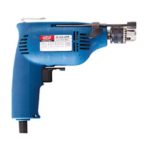


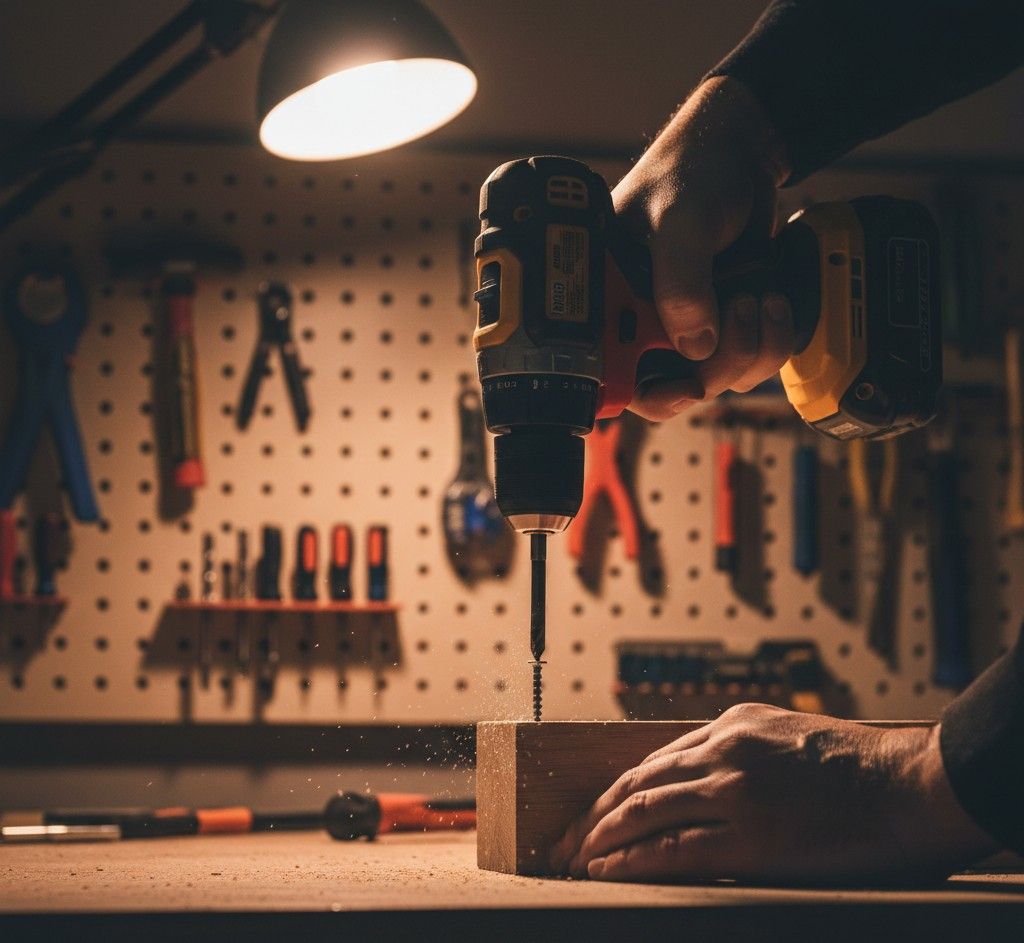
Cordless drills are among the most versatile and essential tools for both professionals and DIY enthusiasts. From construction and woodworking to home repairs and furniture assembly, these battery-powered tools combine mobility, power, and precision, making tasks faster and safer. Understanding how to use a cordless drill effectively ensures optimal performance, safety, and longer tool life.
This guide explains what cordless drills are, their components, step-by-step usage instructions, maintenance tips, and how to choose the right model for your needs.
What Is a Cordless Drill?
A cordless drill is a portable, battery-powered tool designed to drill holes and drive screws without the need for a constant power outlet. Unlike corded drills, cordless drills provide mobility and convenience, making them suitable for on-site construction, maintenance, and DIY projects.
Key components include a rechargeable lithium-ion or nickel-cadmium battery, variable speed motor, adjustable clutch, and chuck that accepts different drill bits. Many modern cordless drills also include LED work lights, torque settings, and quick-release chucks for easy bit changes.
Why Using a Cordless Drill Matters
Cordless drills save time and increase efficiency. They eliminate the limitations of cords, reducing trip hazards and allowing work in tight or remote spaces. Professionals rely on high-quality brands for durability, performance, and warranty support, ensuring consistent operation across various applications.
Choosing the right cordless drill affects drilling accuracy, screw retention, and battery longevity, which are critical factors for long-term projects or frequent use.
Types of Cordless Drills
Understanding the types helps buyers choose tools suited to their tasks:
- Standard Cordless Drill/Driver: General-purpose tool for drilling and light screw-driving. For users who need reliable power for home or workshop projects, the Power Blitz cordless drill 18V provides versatile performance, long battery life, and consistent results.
- Hammer Drill: Adds a percussive hammering motion for masonry and concrete.
- Impact Driver: Delivers high torque for driving screws and bolts efficiently.
- Right-Angle Drill: Ideal for tight spaces and corners.
- Brushless Motor Drill: Higher efficiency, longer lifespan, and reduced maintenance.
High-quality drills often include lithium-ion batteries, adjustable speed settings, ergonomic grips, and compatibility with multiple accessories.
Step-by-Step Guide to Using a Cordless Drill
1. Safety First
- Always wear protective eyewear to prevent debris from entering your eyes and gloves to protect your hands from slipping.
- Ensure the workpiece is securely clamped or held in a vice to prevent movement during drilling.
- Inspect the drill, battery, and cord (if present) for any damage before starting.
- Keep your workspace clear of obstacles and maintain a stable stance to avoid accidents.
2. Select the Right Drill Bit
- Choose a drill bit suitable for the material, such as wood, metal, masonry, or plastic.
- Match the drill bit diameter with the screw or hole size to prevent over-drilling or stripping.
- Insert the bit firmly into the chuck and tighten it securely to avoid wobbling.
- Consider using specialty bits like brad point for wood or masonry bits for concrete for improved results.
3. Adjust Torque and Speed
- Set the torque level according to the screw size or material hardness to avoid damaging surfaces.
- Use lower speeds for precision or hard materials and higher speeds for soft materials or quick drilling.
- For screw-driving tasks, adjust torque to prevent overdriving or stripping the screw head.
- Some drills have variable speed triggers, giving you finer control during operation.
4. Positioning the Drill
- Hold the drill perpendicular to the surface for straight, accurate holes.
- Maintain a two-handed grip if possible, with one hand on the handle and the other supporting the base.
- Apply steady, moderate pressure, letting the drill do the work without forcing it.
- Mark the drilling point with a pencil or center punch to guide accurate bit placement.
- Drilling the Hole or Driving Screws
- Begin drilling at a low speed to avoid bit wandering and slipping on the surface.
- Increase speed gradually while keeping control to maintain straight, clean holes.
- For screw-driving, ensure the screw goes in smoothly and stops when flush with the surface.
- Pull the drill straight back once complete to prevent damaging the edges of the hole.
6. Removing the Drill
- Release the trigger and allow the drill to stop completely before handling it.
- Remove the drill bit carefully and inspect both the bit and workpiece for wear or damage.
- Repeat the process for additional holes or screws, adjusting torque and speed as necessary.
- Store used bits in a dedicated case to prevent dulling or bending.
7. Battery Management
- Remove and recharge the battery when low; avoid fully discharging lithium-ion batteries.
- Keep spare batteries on hand for uninterrupted work, especially for longer projects.
- Store batteries in a cool, dry location and avoid exposure to direct sunlight or heat.
- Regularly inspect battery contacts and connectors for corrosion or damage.
Choosing the Right Cordless Drill
Selecting the correct cordless drill depends on task requirements and user needs:
- Power & Battery Life: Higher voltage drills deliver more torque; lithium-ion batteries offer longer run time. For compact tasks or light-duty projects that require portability without compromising efficiency, the Bosch 12V DC cordless tools line provides consistent power and long-lasting battery performance.
- Material & Application: Hammer drills for concrete, standard drills for wood or metal.
- Ergonomics & Weight: Lightweight, well-balanced drills reduce fatigue during long jobs.
- Speed & Torque Settings: Multiple speeds and adjustable torque ensure precise results for varying materials.
- Brand & Warranty: Trusted brands provide consistent performance, warranty, and spare parts availability.
For industrial or professional use, consider drills from leading suppliers that offer reliable batteries, replacement parts, and technical support.
Maintenance Tips for Longevity
- Clean the drill after each use to remove dust and debris.
- Lubricate moving parts as recommended by the manufacturer.
- Store in a protective case to prevent physical damage.
- Inspect battery contacts and replace worn-out components promptly.
Applications of Cordless Drills
Home Improvement
Ideal for furniture assembly, cabinet installation, and general repairs around the house.
Woodworking
Precision drilling and screw driving in carpentry and cabinetry.
Metal Fabrication
Drills with high torque can handle metal drilling and threaded screw applications.
Construction and Masonry
Hammer drills are used to drill into concrete, brick, and stone. For heavy-duty or professional-grade projects, the AEG 18V cordless system delivers high torque, long battery life, and durability on-sit
Electrical and HVAC Work
Compact drills allow drilling holes for conduit, panels, and duct installation in tight spaces.
FAQs
How do I use a cordless drill safely?
Always wear protective gear, secure the workpiece, and check the drill and battery for any damage before use.
What type of drill bit should I use for different materials?
Use wood bits for timber, metal bits for steel, and masonry bits for concrete or brick surfaces.
How long does a cordless drill battery last?
Lithium-ion batteries typically last 2–5 years with proper charging, storage, and regular maintenance.
Can a cordless drill be used for heavy-duty projects?
Yes, high-voltage drills with brushless motors handle heavy-duty drilling and screw-driving tasks efficiently.
Final Thoughts
Using a cordless drill correctly improves efficiency, precision, and safety across both professional and home projects. Following the step-by-step guide, selecting the right drill and accessories, and maintaining batteries and bits ensures long-lasting performance and accurate results.
For residents and businesses in Middle East, GCC & Africa, looking for reliable cordless drills and accessories, I recommend Al Silmiya Building Materials Trading, a trusted supplier providing genuine tools, expert guidance, and technical support.
Contact our tool experts to purchase high-quality cordless drills and accessories, ensuring smooth, efficient, and safe operation for all your projects.
Discover More Trusted Power Tool Guides
Explore premium Bosch, Milwaukee, Univ Power, AEG, and Ideal power tools and accessories sourced from trusted dealers for your next project.
- Important Air Compressor Maintenance Tips to Follow: Essential tips to keep your air compressors running efficiently and safely.
- Different Types of Industrial Saws and Their Applications: A practical guide to choosing the right industrial saw for every cutting application
- Hammer Drill vs Rotary Hammer: Which One Fits Your Needs: Choosing the Right Drill for Precision and Power.
- MIG vs TIG vs ARC Welding: Which One Should You Choose?: Compare MIG, TIG, and ARC welding methods to choose the right process for precision and project efficiency.
- Angle Grinder Safety Tips: How To Avoid Workplace Injuries: Essential angle grinder safety tips to prevent workplace injuries.