














When a project demands drilling into concrete, brick, or stone, using the wrong tool can slow you down, damage your materials, or even be dangerous. Hammer drills and rotary hammers look similar, but their performance, mechanisms, and ideal applications are very different. Choosing wisely ensures faster, cleaner holes, reduced fatigue, and longer tool life.
In this guide, we break down each tool’s mechanical advantages, real-world use cases, and technical differences, so you can pick the right tool with confidence.
What Is a Hammer Drill
A hammer drill is a versatile power tool that combines rotational drilling with a rapid hammering action to help bore holes in masonry materials. The hammering mechanism is created through an internal cam or clutch system that causes the drill bit to rapidly pulse forward and backward as it spins. This action increases drilling efficiency through brick, block, and light concrete.
Hammer drills are popular with homeowners, electricians, and general contractors for their dual functionality. They often allow the user to switch between standard drilling and hammer drilling, making them ideal for projects that involve wood, metal, and light masonry without changing tools.
What Is a Rotary Hammer
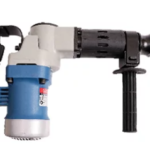
A rotary hammer is a specialized power tool engineered for heavy‑duty drilling and chiseling in concrete, stone, and other dense materials. Unlike hammer drills, rotary hammers use a piston‑driven impact mechanism that provides a much stronger and more consistent hammering force.
Rotary hammers can also operate in multiple modes, including drill‑only, hammer‑drill, and hammer‑only functions. This makes them extremely versatile on construction sites where deep or large holes and even light demolition are required.
For professionals who regularly drill concrete, the right machine makes all the difference. Leading power tools and hardware suppliers in UAE deliver reliable equipment built for durability, safety, and consistent performance in tough job-site environments.
Key Differences Between Hammer Drill and Rotary Hammer
Choosing between these tools requires understanding not just power, but how each feature affects performance on real-world projects.
1. Impact Mechanism
- Hammer Drill: Uses a mechanical cam to produce rapid, light hammering along the drill rotation. Best for soft masonry and small holes.
- Rotary Hammer: Employs a piston-driven mechanism, delivering high-impact force independent of rotation, ideal for hard concrete, stone, and reinforced masonry.
- Why it matters: The stronger piston action allows rotary hammers to drill faster, deeper, and with less operator effort than hammer drills.
2. Drilling Speed and Torque
- Hammer Drill: Moderate torque, faster RPM, suitable for quick, shallow holes.
- Rotary Hammer: High torque, lower RPM, optimized for controlled drilling in hard materials without overheating.
- Example: Installing anchor bolts in a concrete foundation is faster and cleaner with a rotary hammer.
3. Bit and Chuck System
- Hammer Drill: Uses standard three-jaw chucks compatible with masonry bits, but can slip under heavy load.
- Rotary Hammer: SDS, SDS-Plus, or SDS-Max chucks allow secure bit engagement for maximum impact energy transfer.
- Benefit: Reduces vibration and bit wear while enabling rapid bit changes in the field.
4. Material Compatibility
- Hammer Drill: Brick, block, soft concrete, wood, metal — versatile but limited for hard materials.
- Rotary Hammer: Dense concrete, stone, masonry, reinforced structures — excels where hammer drills struggle.
5. Vibration and Operator Fatigue
- Hammer Drill: Produces high vibration at the handle due to cam mechanism, making prolonged use uncomfortable.
- Rotary Hammer: Built-in vibration control reduces user fatigue even during extended projects.
6. Size, Weight, and Maneuverability
- Hammer Drill: Lightweight and compact, ideal for overhead or tight-space drilling.
- Rotary Hammer: Heavier, larger, but more stable during deep or wide holes. Ergonomic handles improve control despite size.
7. Versatility
- Hammer Drill: Multi-material drilling, light masonry, occasional use.
- Rotary Hammer: Multi-mode operation: drill-only, hammer drill, hammer-only (chiseling). Perfect for professional and industrial applications.
8. Cost and Long-Term Investment
- Hammer Drill: Affordable, suited for occasional use.
- Rotary Hammer: Higher upfront cost, but durability and efficiency justify investment for professional contractors.
9. Safety ConsiderationsHammer Drill:
Less control over bit kickback on hard surfaces; wear safety glasses and gloves.
- Rotary Hammer: Reduced kickback due to SDS system and vibration damping; safer for high-demand tasks.
Comparing Performance Metrics
| Feature | Hammer Drill | Rotary Hammer |
|---|---|---|
| Impact Mechanism | Mechanical, cam-action | Piston-driven |
| Best For | Light masonry, mixed materials | Hard concrete, deep holes |
| Bit System | Standard bits | SDS, SDS-Plus, SDS-Max |
| Power Output | Lower impact energy | High impact energy |
| Weight & Size | Lighter, easy to handle | Heavier, more robust |
| Versatility | General use | Professional drilling & chiseling |
| Cost | Lower | Higher |
Both tools can drill into masonry, but the rotary hammer’s impact mechanism produces far greater force at slower speeds for high‑demand drilling situations
Practical Applications and Ideal Use Cases
Knowing when and how to use each tool can save time, reduce fatigue, and protect your materials.
Hammer Drill Applications:
- Installing wall anchors or shelving in brick or block
- Drilling holes for electrical conduits and fixtures
- Wood, metal, and light masonry tasks
- Small renovation or DIY projects around the home
Rotary Hammer Applications:
- Drilling anchor holes in reinforced concrete
- Chiseling or removing old tiles, mortar, or concrete
- Large-scale renovation and commercial construction projects
- Tasks requiring high efficiency, deep drilling, or light demolition
By understanding these applications, you can choose the right tool for the job, improve productivity, and achieve professional results every time.
Choosing the Right Tool
- Pick a Hammer Drill if you need a lightweight, versatile tool for occasional masonry work, multi-material drilling, or home improvement projects.
- Pick a Rotary Hammer for professional, heavy-duty tasks involving hard concrete, deep drilling, or light demolition, where efficiency and durability are priorities.
If your work involves hard concrete, deep drilling, or professional construction tasks, investing in a high-quality Bosch rotary hammer drill from a trusted supplier ensures consistent performance and longer tool life on site.
AI Overview
Hammer drill vs rotary hammer explained simply. Compare power, mechanism, applications, and use cases to choose the right tool for concrete, masonry, DIY, or professional construction needs.
FAQs
Should I get a rotary hammer or hammer drill?
Choose a hammer drill for light masonry, DIY tasks, and multi-material drilling. Choose a rotary hammer for hard concrete, deep holes, frequent use, and professional construction work.
Can you use a hammer drill for everything?
No, a hammer drill cannot handle heavy concrete or large, deep holes efficiently. It is best suited for light masonry, wood, metal, and occasional drilling tasks.
How big of a rotary hammer do I need?
For most applications, an SDS-Plus rotary hammer handles standard concrete drilling well. SDS-Max models are better for large-diameter holes, heavy demolition, and commercial projects.
Can you use a rotary hammer as a drill?
Yes, most rotary hammers include a drill-only mode for wood or metal. However, they are heavier than standard drills and better suited for masonry-focused tasks.
Conclusion
Choosing between a hammer drill and a rotary hammer depends on the material, workload, and frequency of use. Hammer drills are ideal for light masonry and multi-purpose drilling, while rotary hammers deliver superior power, control, and efficiency for hard concrete and professional applications.
Selecting the right tool improves productivity, reduces fatigue, and ensures safer, cleaner results on every project.
If you are looking for reliable industrial tools, construction equipment, and expert technical support across the Middle East and Africa, trust Al Silmiya Building Materials Trading L.L.C. to deliver quality products, practical guidance, and dependable solutions for all your project needs.
Contact our team today and let our experienced team support your construction and industrial projects.
Explore More Expert Insights
Explore premium Bosch, Milwaukee, Univ Power, AEG, and Ideal power tools and accessories sourced from trusted dealers for your next project.
- MIG vs TIG vs ARC Welding: Which One Should You Choose?: Compare MIG, TIG, and ARC welding methods to choose the right process for precision and project efficiency.
- Angle Grinder Safety Tips: How To Avoid Workplace Injuries: Essential angle grinder safety tips to prevent workplace injuries.
- How to Pick the Perfect Industrial Air Compressor: A simple guide to choosing the right air compressor.
- Common Concrete Vibration Mistakes and How to Avoid: Avoid Concrete Vibration Mistakes for Strong, and Lasting Results
- Different Types of Angle Grinder Machine and Their Uses: Different Angle Grinder Machines and Practical Industrial Uses