







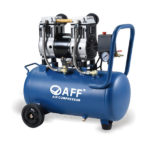
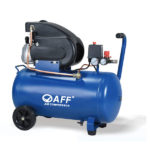
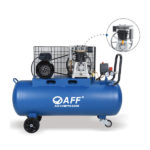
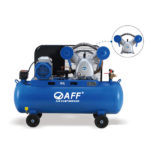
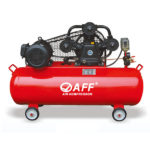
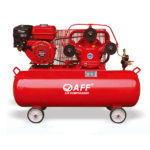
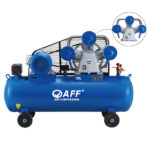
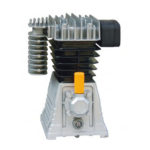



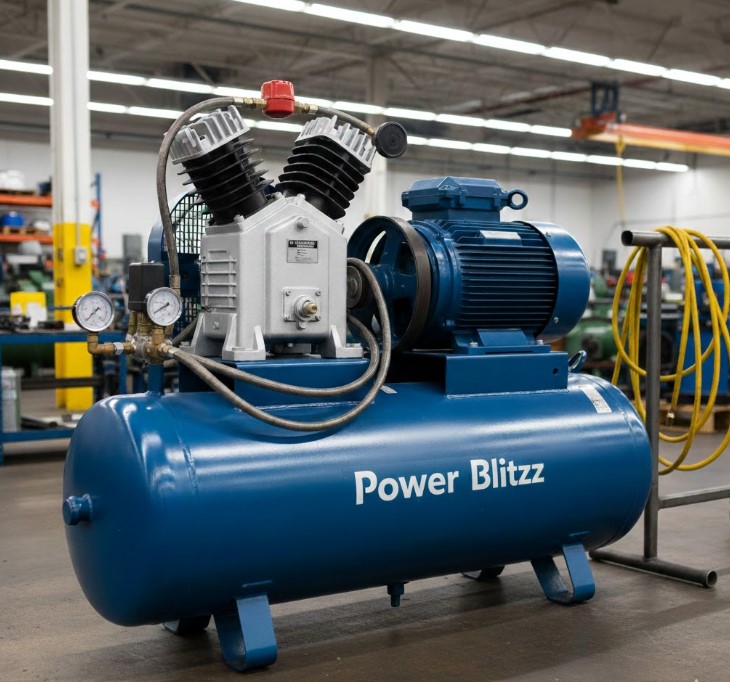
An air compressor is a mechanical device that converts electrical, gasoline, or diesel energy into pressurized air used to power tools, machinery, and technical systems. Instead of delivering force directly through electricity, the compressor stores compressed air inside a tank and releases it in a controlled manner when required.
This makes air compressors highly efficient, flexible, and cost-effective for homes, workshops, construction sites, and industrial facilities. Because compressed air is clean, safe, and easy to regulate, it remains one of the most widely used energy sources in modern mechanical operations.
Why Air Compressors Are Important Today
Modern industries prioritize energy efficiency, automation, and long-term reliability. Air compressors support these goals by delivering steady pneumatic power with relatively low maintenance requirements. They enable multiple tools to operate from a single system, improve workflow speed, and reduce manual labor.
From small garages to large manufacturing plants, compressors contribute to higher productivity and operational consistency, making them essential equipment in 2026 and beyond.
Types of Air Compressors
Reciprocating (Piston) Compressor
This commonly used compressor relies on a piston moving within a cylinder to compress air. It is affordable, simple to maintain, and ideal for home garages, light workshops, and tire inflation.
Rotary Screw Compressor
Rotary screw compressors use two interlocking rotating screws to produce continuous, smooth airflow. They are widely used in industrial plants, automotive workshops, and production environments that require uninterrupted performance.
Oil-Free Compressor
Oil-free compressors generate clean, contamination-free air, making them suitable for medical, dental, laboratory, and food-processing applications where purity is critical.
Portable Air Compressor
Portable compressors are compact and easy to transport, making them practical for vehicle tires, bicycles, sports equipment, and emergency roadside use. Their mobility makes them popular for personal and light-duty tasks.
Common Uses of Air Compressors
Automotive and Garage Applications
Air compressors inflate tires, power impact wrenches, assist in spray painting, and support vehicle detailing. They are essential tools in automotive maintenance and repair.
Home Improvement and DIY Projects
They operate nail guns, staplers, and cleaning tools while also inflating recreational and household items, providing strong support for everyday home maintenance.
Construction and Manufacturing
Heavy pneumatic drills, cutting equipment, sandblasting tools, and automated production systems depend on high-capacity compressed air for efficient and continuous operation.
HVAC and Technical Maintenance
Technicians use compressed air for system cleaning, leak testing, and servicing cooling equipment, ensuring safe and reliable mechanical performance.
How an Air Compressor Works
Air Intake
The compressor draws surrounding air through a filtered intake valve that removes dust and debris.
Compression
Inside the pump mechanism, air volume decreases while pressure increases, converting mechanical motion into stored energy.
Storage
Compressed air moves into a reinforced tank where pressure is maintained until needed.
Controlled Release
A regulator valve releases air at the required pressure level, allowing connected tools and equipment to operate safely and efficiently.
Modern compressors often include automatic shut-off systems, pressure monitoring, and energy-saving motors, improving safety and reducing electricity consumption.
How to Choose the Right Air Compressor
Tank Size
Tank capacity determines how long tools can operate before pressure refilling is required.
PSI and CFM Ratings
PSI defines pressure strength, while CFM measures airflow volume needed for specific pneumatic tools.
Power Source
Electric compressors are suitable for indoor environments, whereas fuel-powered units handle outdoor and heavy-duty applications.
Noise and Efficiency
Lower noise levels and improved energy efficiency enhance user comfort and reduce long-term operating costs.
Benefits of Using an Air Compressor
Air compressors provide several practical advantages:
- Faster and more precise task completion
- Ability to power multiple pneumatic tools
- Strong durability with long operational life
- Reduced physical effort and improved efficiency
- Adaptability for residential, commercial, and industrial environments
These strengths make air compressors a core component of modern mechanical systems.
Maintenance Tips for Long-Term Performance
Drain Moisture Regularly
Removing moisture prevents internal rust and corrosion inside the tank.
Replace Air Filters
Clean filters ensure proper airflow and maintain compressor efficiency.
Monitor Lubrication
Oil-based compressors require regular lubrication checks to avoid wear.
Inspect Hoses and Valves
Routine inspection improves operational safety and prevents pressure leaks.
Store Properly
Keeping the unit in a clean, dry space extends lifespan and reliability.
FAQs
What tools are compatible with air compressors?
Air compressors power pneumatic tools such as nail guns, spray guns, impact wrenches, air ratchets, sanders, and tire inflators, depending on PSI and CFM capacity.
What size air compressor do I need for home use?
For home and DIY tasks, a 2–6 gallon compressor with 90 PSI is usually enough for inflating, cleaning, and light nailing jobs.
Can an air compressor run continuously?
Most standard compressors are designed for intermittent use, while industrial or oil-lubricated models can run longer with proper cooling and maintenance.
How do I choose the right air compressor?
Select based on required PSI, CFM, tank size, and intended tools to ensure efficient and safe performance for your application.
Are oil-free air compressors better than oil-lubricated ones?
Oil-free compressors need less maintenance and suit light tasks, while oil-lubricated models offer quieter operation and longer durability for heavy-duty work.
Conclusion
Air compressors are powerful, efficient, and versatile machines that convert energy into controlled pressurized air for applications ranging from home improvement and automotive repair to heavy industrial production. Understanding their types, working principles, and selection factors helps users improve productivity, reduce operating costs, and maintain reliable performance in any environment.
Understanding the working principles of air compressors is essential for achieving maximum efficiency, durability, and performance in any industrial or commercial environment. Al Silmiya Building Materials Trading provides reliable, energy-efficient, and high-performance air compressor solutions designed to meet diverse operational needs.
Backed by technical expertise and a commitment to quality, Al Silmiya helps businesses optimize productivity while reducing long-term operating costs. Explore Al Silmiya’s advanced air compressor range today to find the ideal solution that supports smooth, efficient, and future-ready operations.
Keep Exploring More with Al Silmiya
- Essential Air Compressor Maintenance Tips: Learn practical maintenance steps to extend compressor life and ensure consistent performance.
- Step-by-Step Guide to Using a Cordless Drill: Understand safe operation, correct settings, and expert techniques for efficient drilling.
- How to Pick the Perfect Industrial Air Compressor: Discover key factors like PSI, CFM, and tank capacity to choose the right industrial model.
- Choosing the Right Air Compressor for Painting: Find the ideal compressor specifications for smooth, professional paint application.