








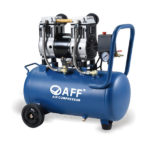
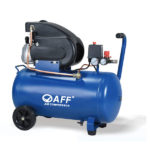
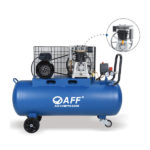
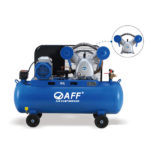
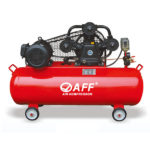
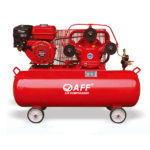
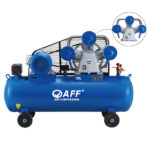
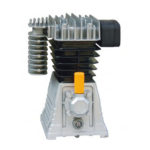



Selecting the right type of air compressor is a critical decision for industries and businesses operating in the United Arab Emirates (UAE). The UAE’s climate is characterized by very high ambient temperatures, especially in summer (often exceeding 40°C), coupled with dust and humidity variations.
These environmental conditions influence compressor performance, maintenance needs, component durability, and operating costs.
This analysis compares oil‑lubricated and oil‑free air compressors, explores their advantages and limitations, and examines how each performs in the context of the UAE’s challenging climate.
Introduction to Air Compressors
Air compressors are mechanical devices that convert power into potential energy stored in pressurized air. They are essential across industries including manufacturing, construction, automotive, food processing, healthcare, and energy sectors.
Air compressors broadly fall into two categories based on lubrication: oil‑lubricated and oil‑free. The differences between these types significantly affect performance, maintenance, and suitability for specific applications.
Oil‑Lubricated Air Compressors: The Traditional Workhorse
Oil‑lubricated air compressors use oil to cool, seal, and lubricate the compression chamber. This design has been the backbone of heavy‑duty pneumatic systems for decades, especially in manufacturing and construction environments.
Advantages
- Durability and Cooling: Oil absorbs heat from compression, keeping components cooler and reducing wear. This results in longer life under continuous duty.
- High Output and Pressure: These units typically deliver high PSI and CFM reliably in demanding, extended‑use applications, making them ideal for industrial fabrication, workshops, and process plants. For buyers looking for a reliable model, the air compressor, BT-AC50Y1 is a proven choice for UAE workshops and construction sites.
- Noise and Vibration Control: The oil provides sound damping, leading to smoother and quieter operation compared to some oil‑free models.
Drawbacks in Gulf Conditions
- Maintenance Burden: Regular oil changes, filter replacements, and oil separator checks are unavoidable. Neglect can lead to performance loss or contamination.
- Oil Contamination Risk: Even with quality filtration, traces of oil can enter the compressed air stream, a critical problem if air quality matters.
- Heat Degradation: In high ambient temperatures like the UAE, oil can break down faster, reducing lubrication effectiveness and increasing service frequency.
Best Use Cases: Heavy fabrication workshops, on‑site construction, industrial plants where continuous high output is required, and where air purity is not the top priority.
Oil‑Free Air Compressors: Clean, Efficient, and Low‑Maintenance
Oil‑free compressors eliminate oil from the compression chamber by using advanced coatings, pre‑lubricated parts, or alternative cooling technology. The result: 100% oil‑free air and simpler maintenance.
Key Benefits
- No Risk of Oil Contamination: This is vital for food processing, medical facilities, electronics assembly, and any ISO Class 0 air quality requirement.
- Lower Maintenance: Without oil, routine servicing is reduced to filter and moisture separator checks, lowering downtime and service costs.
- Energy Efficiency and Environmental Compliance: Modern oil‑free designs can be more efficient and produce fewer emissions, contributing to sustainability goals and cleaner operations.
Challenges in Gulf Usage
- Durability Under Heat: Without oil to help dissipate heat, parts may wear faster under prolonged high ambient temperatures, leading to shorter effective life under heavy duty.
- Noise Levels: Some oil‑free models can be louder due to the absence of oil‑based damping.
- Initial Cost: Premium oil‑free systems often have a higher upfront price tag compared to basic oil‑lubricated units.
Best Use Cases: Clean‑air critical environments, laboratory and medical applications, food processing lines, and businesses prioritizing minimal maintenance and regulatory compliance.
Comparing Oil vs Oil‑Free Air Compressors
| Feature | Oil‑Lubricated | Oil‑Free |
|---|---|---|
| Air Purity | Risk of oil carryover | 100% oil‑free, often Class 0 |
| Maintenance | High | Low |
| Lifespan | Longer under heavy duty | Shorter if used continuously |
| Noise | Quieter | Can be louder |
| Upfront Cost | Lower | Higher |
| Temperature Resilience | Better heat management | More sensitive to ambient heat |
Performance in Hot and Arid Climates
Heat Management
High ambient temperatures in the UAE increase compressor workload and wear. Oil‑lubricated compressors manage heat effectively because circulating oil absorbs and dissipates up to 80 percent of compression heat, reducing overheating risk. Oil‑free compressors rely on coatings or external cooling, making them more vulnerable to high-temperature stress in continuous heavy-duty use.
Oil‑free compressors deliver completely oil-free air, meeting ISO 8573‑1 Class 0 standards, which is crucial for food, medical, laboratory, and electronics applications. Oil‑lubricated compressors may still have minor oil traces, which can affect sensitive processes despite filtration.
Air Quality and Contamination
In environments where air purity is non‑negotiable, oil‑free compressors offer clear advantages. They produce air that is completely free of oil contaminants, meeting international standards such as ISO 8573‑1 Class 0 for purity. This makes them essential for clean processes in food production, laboratories, medical facilities, and electronics manufacturing.
Oil‑lubricated compressors, even with high‑efficiency filtration systems, may still have very minor oil carryover. Although modern separators minimize this, any residual oil can compromise product quality in sensitive applications.
Temperature and Thermal Degradation of Oil
In high temperatures, oil degrades faster, which can impact compressor performance and increase maintenance. Frequent oil changes and close monitoring of oil conditions are required in hot climates to prevent oil breakdown and protect machinery.
Oil‑free compressors do not require oil maintenance. However, they rely heavily on external cooling systems and robust materials that can withstand high temperatures. Some advanced oil‑free designs integrate enhanced cooling systems to manage heat similarly to oil‑lubricated compressors, but at a higher initial cost.
Key Factors for Selecting the Best Compressor for UAE
Choosing the right air compressor in the UAE depends on your application, duty cycle, and budget. Consider the following factors:
- Air Quality Requirements
If your process demands ISO Class 0 air purity, such as in pharmaceutical production or sensitive manufacturing, an oil-free compressor ensures contaminant-free, safe air for your operations. - Duty Cycle and Climate Adaptation
For continuous heavy use under high temperatures and dusty conditions, an oil-lubricated rotary screw compressor with external cooling and advanced filtration provides greater durability and consistent performance. Consider models like the air Compressor 200 Litre, BT-AC200 for robust performance in the UAE climate. - Total Cost of Ownership
Beyond the upfront price, consider energy consumption, maintenance schedules, oil handling, and potential downtime. This gives a realistic view of long-term operational costs. - Air Treatment and Moisture Control
Humidity and dust in the UAE can cause condensation, corrosion, and tool damage. Pair your compressor with effective dryers and filters to protect your equipment and ensure reliable operation.
Oil or Oil-Free: Making the Right Choice
- Choose Oil-Injected
Ideal for manufacturing, construction, and workshop applications where a trace of oil in the air is acceptable. These compressors provide long-lasting durability and reliable performance even under continuous heavy-duty use. - Choose Oil-Free
Best suited for food production, pharmaceuticals, electronics, or medical laboratories where air purity is critical. Oil-free models provide contaminant-free air with lower maintenance.
AI Overview
This blog covers oil vs oil-free air compressors, comparing performance, maintenance, and suitability for UAE climate, helping buyers choose the right solution for their industry needs.
FAQs
Is it better to have oil or no oil air compressor?
Oil-free compressors are best for clean-air critical applications like food, pharma, or electronics. Oil-injected compressors suit heavy-duty workshops and construction in the UAE.
What are the disadvantages of oil-free air compressors?
They can wear faster under continuous use in hot climates like the UAE and may produce more noise. Heat management is crucial for long-term reliability
What is the main disadvantage of using oil-free screw type compressors for the reliquefaction plant of an LPG carrier?
Oil-free screw compressors can have a shorter lifespan under extreme load and high humidity. Cooling and part replacement costs are higher in marine environments.
Is oil-free air compressor better than oil flooded?
Oil-free compressors provide contaminant-free air and lower maintenance. Oil-flooded units are more durable for high-pressure, continuous industrial applications.
Conclusion
Choosing the right air compressor in the UAE requires balancing performance, air quality, maintenance, and climate resilience. Oil-injected compressors are ideal for heavy-duty industrial, construction, and workshop applications, while oil-free compressors are essential for food processing, pharmaceuticals, electronics, and medical labs where contaminant-free air is critical.
By considering duty cycles, ambient temperature, humidity, and long-term operational costs, businesses can make informed decisions that improve efficiency and reduce downtime.
Companies like Al Silmiya Building Materials Trading that provide high-quality compressors tailored for UAE conditions, along with expert guidance, can help industries maximize productivity and ensure reliable, long-term performance.
Keep Exploring More with Al Silmiya
- What Is an Air Compressor? Types, Uses & How It Works: Explore air compressors, their types, uses, and working principles..
- Essential Air Compressor Maintenance Tips: Learn practical maintenance steps to extend compressor life and ensure consistent performance.
- Step-by-Step Guide to Using a Cordless Drill: Understand safe operation, correct settings, and expert techniques for efficient drilling.
- How to Pick the Perfect Industrial Air Compressor: Discover key factors like PSI, CFM, and tank capacity to choose the right industrial model.
- Choosing the Right Air Compressor for Painting: Find the ideal compressor specifications for smooth, professional paint application.