






common-concrete-vibration-mistakes-and-how-to-avoid

Common Concrete Vibration Mistakes and How to Avoid Them

Concrete is the backbone of modern construction, and proper vibration is essential to ensure durability, strength, and a flawless finish. Whether you’re pouring slabs, walls, or columns, mistakes in concrete vibration can result in air pockets, honeycombing, mortar channels, and surface imperfections.

Even small errors can compromise structural integrity, leading to costly repairs and delays. In this article, we’ll discuss the most common concrete vibration mistakes, explain why they happen, and show you how to avoid them.

Why Proper Concrete Vibration Matters

A correctly executed vibration process ensures proper consolidation, eliminates trapped air, and fills all voids around reinforcement. Using internal concrete vibrators effectively can prevent weak spots, improve compressive strength, and enhance surface quality.

Improper vibration, on the other hand, can lead to:

  • Reduced structural strength
  • Water separation and segregation
  • Visible defects like bugholes and honeycombing
  • Increased rework costs

Focusing on vibrator techniques for concrete compaction not only improves durability but also enhances project efficiency.

1. Using the Wrong Vibrator Head Size

One of the most common mistakes is using the wrong vibrator head size for concrete. A head that is too large or too small can leave areas under-compacted or overworked. The radius of action of the vibrator is typically 3 to 4 times the head diameter, so selecting the right head size is essential for complete coverage.

How to avoid:

  • Measure the form width and reinforcement spacing before choosing the vibrator head.
  • Use smaller heads for narrow forms or dense reinforcement, and larger heads for wide sections.
  • Plan your insertion spacing for concrete vibrator points to ensure every zone is properly consolidated.

Proper head selection and spacing prevent defects and ensure a smooth, durable finish.

2. Vibrating for Too Short or Too Long

Incorrect vibration duration is another frequent problem. Vibrating for too short a time leaves air bubbles trapped in the concrete, while over-vibration can cause segregation, where water rises to the surface and weakens the structure.

How to avoid:

  • Determine the ideal concrete vibration duration based on concrete type and section thickness.
  • Observe visual cues such as the cessation of rising bubbles and a uniform surface sheen.
  • Focus on vibrator dwell time for concrete compaction—typically 5 to 15 seconds per insertion point.

By carefully timing your vibration, you avoid under-vibration and over-vibration, ensuring both strength and appearance.

3. Improper Insertion Technique

Dragging the vibrator horizontally, inserting it at an angle, or striking reinforcement are common mistakes that compromise concrete quality. These errors may create mortar channels or cold joints, reducing bond with rebar and causing structural weaknesses.

How to avoid:

  • Follow a proper vibrator insertion technique for concrete—insert vertically or as close as possible to vertical.
  • Slowly withdraw the vibrator to allow concrete to flow back into voids.
  • Avoid contact with reinforcement and maintain correct spacing between insertion points.

A careful insertion strategy, also known as the vertical immersion vibrator method, helps maintain uniform consolidation without damaging the concrete.

4. Using the Wrong Type of Vibrator or Poor Equipment Maintenance

Choosing the wrong type of vibrator or using poorly maintained equipment is a critical mistake. For example, surface vibrators are ineffective for deep beams or columns, and malfunctioning vibrators may result in uneven compaction.

How to avoid:

  • Always select the correct concrete vibrator type for your pour. Internal vibrators are best for dense structural elements, while surface vibrators work for slabs and thin overlays.
  • Keep a backup vibrator on site to prevent delays and quality issues.
  • Perform regular maintenance of concrete vibrator tools, including checking flexible shafts, vibration heads, motors, and electrical connections.

Well-maintained equipment ensures reliable performance and reduces the risk of defects.

5. Ignoring Mix Design and Workability

Even the best vibration technique cannot compensate for a poorly designed concrete mix. Low workability, improper slump, or high reinforcement density can make compaction difficult, causing air pockets or honeycombing.

How to avoid:

  • Coordinate with your supplier to ensure the mix is appropriate for your structure. This links vibration and concrete mix design considerations.
  • Adjust slump and workability to suit the section and reinforcement layout. Using admixtures or plasticizers may help maintain workability.
  • For high reinforcement density concrete, plan your vibration strategy carefully, considering insertion points and duration to achieve complete compaction.

Understanding the interplay between workability for concrete compaction vibration and structural reinforcement ensures a strong, defect-free finish.

Practical Pre-Pour Checklist

Before pouring, ensure:

  • The vibrator head and type are correctly selected.
  • Insertion spacing for concrete vibrator is planned to cover the radius of influence.
  • Equipment is well-maintained, and a backup is available.
  • Mix design, slump, and reinforcement layout are verified.
  • The crew is trained in proper insertion, dwell time, and withdrawal techniques.
  • Visual monitoring of the surface is planned to confirm proper consolidation.

Following this checklist minimizes the risk of common concrete vibration mistakes and improves structural quality.

Why Avoiding Vibration Mistakes Matters

Correct vibration is more than a technical requirement; it affects your project’s reputation, cost, and longevity:

  • Ensures structurally sound concrete, reducing liability.
  • Minimizes rework and repair costs.
  • Improves surface finish, enhancing aesthetics.
  • Strengthens client confidence and business credibility.

By mastering proper vibration techniques and integrating strategies like vibrator dwell time, correct head size, and mix-workability planning, you provide a durable and professional result every time.

AI Overview

Avoid common concrete vibration mistakes with tips on proper equipment, insertion techniques, dwell time, and mix design for durable, defect-free concrete.

FAQs

What is a concrete vibrator used for?

A concrete vibrator is used to consolidate fresh concrete, remove air bubbles, and ensure a smooth, durable finish. Proper vibration improves compressive strength and prevents honeycombing in slabs, columns, and walls.

How do I choose the right vibrator for my project?

Choose a vibrator based on the concrete section size and reinforcement density. Internal vibrators work best for beams and columns, while surface vibrators are ideal for slabs. Selecting the correct vibrator type ensures complete concrete compaction.

How long should I vibrate concrete?

Vibrate each section for 5–15 seconds or until air bubbles stop rising. Proper vibrator dwell time for concrete compaction prevents under-vibration or over-vibration, ensuring strong, defect-free concrete.

Can improper vibration damage concrete?

Yes. Over-vibration can cause segregation, while under-vibration leaves air pockets and weak spots. Using correct insertion techniques and proper vibration duration avoids mortar channels and structural defects.

Do I need a backup concrete vibrator on site?

Yes. Having a backup vibrator ensures uninterrupted work if the primary unit fails. Reliable equipment and maintenance are crucial for consistent concrete compaction and high-quality construction results.

Conclusion

Concrete vibration is a critical step in construction that requires attention to detail and proper technique. Mistakes such as using the wrong vibrator head, incorrect duration, poor insertion technique, using the wrong equipment, and ignoring mix design are all preventable.

Get the best results on every project with high-quality concrete vibration tools and leading power equipment. Contact Al Silmiya today to consult with our experts and choose the right tools for durable, professional construction.

Explore More Expert Insights

Discover top-quality Bosch, Milwaukee, Univ Power, AEG, and Ideal power tools and accessories from leading dealers for your next project.

difference-between-ac-and-dc-generator

Difference Between AC and DC Generator: A Complete Guide

Generators play a critical role in supplying electrical power. Whether it is a power plant, a construction site, or emergency backup systems in buildings, generators convert mechanical energy into electrical energy. However, not all generators work the same way. The two most common types are AC Generators and DC Generators.

Understanding the difference between AC and DC generator is important for engineering students, electricians, and industries selecting the right power source.

What is a Generator

A generator works on the principle of Electromagnetic Induction. When a conductor rotates inside a magnetic field, electric current is produced. The type of current generated depends on the internal construction of the generator.

What is an AC Generator

An AC Generator (Alternator) produces Alternating Current (AC). This means the current changes direction periodically. AC generators are widely used in power stations, industries, and household electricity systems.

Key features:

  • Current direction alternates continuously
  • Uses slip rings
  • Better for long-distance power transmission
  • Low energy loss

What is a DC Generator

A DC Generator produces Direct Current (DC). The current flows only in one direction. These generators are commonly used in battery charging, automotive systems, and low-voltage devices.

Key features:

  • Current flows in a single direction
  • Uses commutator
  • Used for constant and stable power output

Construction Difference Between AC and DC Generator

Feature AC Generator DC Generator
Output Current Alternating Current (AC) Direct Current (DC)
Output Device Slip Rings Commutator
Current Direction Changes continuously Constant in one direction
Maintenance Low High
Cost Relatively low Higher
Power Transmission Highly efficient for long distance Limited distance
Applications Homes, industries, power plants Charging batteries, small tools

How AC Generator Works

The armature coil rotates inside a magnetic field. Slip rings help transfer alternating current to the external circuit. The voltage continuously reverses direction, producing a sine wave output.

How DC Generator Works

DC generators also rotate a coil in a magnetic field, but instead of slip rings, a commutator converts AC into DC internally. This ensures the output remains unidirectional.

Types of AC Generators

  • Single-phase AC generator
  • Three-phase AC generator (mostly used in industries)

Types of DC Generators

  • Series-wound DC generator
  • Shunt-wound DC generator
  • Compound-wound DC generator

Each type is selected according to voltage and load requirements.

Applications of AC and DC Generators

AC Generator Uses

  • Power plants
  • Household electricity
  • Large buildings
  • Industrial machinery

DC Generator Uses

  • Battery charging systems
  • Automotive alternators (with rectifier)
  • Small-scale workshops
  • Portable devices

Advantages of AC Generator

  • Lower transmission losses
  • More suitable for high voltage distribution
  • Easy to maintain
  • Cost-effective

Advantages of DC Generator

  • Provides stable and constant voltage
  • Ideal for low-voltage equipment
  • Easy current control

Which Generator is Better

Choosing between AC and DC generators depends on use case:

  • For homes and industries → AC Generator
  • For batteries and small devices → DC Generator

From an industry perspective, engineers and technicians often select AC generators for long-distance, high-voltage applications, while DC generators are chosen for battery charging, automotive systems, and precision electronics.

If you need to purchase high-quality industrial generators in UAE, explore Al Silmiya for reliable performance, safety compliance, and expert technical support.

AI Overview

AC generators produce alternating current using slip rings, ideal for long-distance power supply, while DC generators use a commutator for one-direction power used in small applications.

FAQs

Which generator is used for long-distance power?

AC Generator because it reduces power loss during transmission.

Why is a commutator used in a DC generator?

It converts alternating current inside the coil into direct current for output.

Which generator has high maintenance?

DC Generator due to commutator wear and tear.

Can a DC generator supply AC power?

No, by design it supplies only direct current.

Which generator is used in home electricity supply?

AC Generators in power stations generate electricity for homes.

Conclusion

Both AC and DC generators are essential to modern electrical systems. AC generators ensure efficient long-distance power transmission for homes, industries, and commercial buildings, while DC generators deliver stable and controlled power for battery charging, automotive systems, and precision electronics.

Knowing the difference between AC and DC generators helps engineers, technicians, and businesses choose the correct power solution for their operational needs. Whether the requirement is high-voltage distribution or low-voltage control, selecting the right generator leads to better performance and safety.

To explore more expert information on electrical components, power systems, and industrial equipment, keep following our latest technical guides and industry insights.

Explore More Expert Insights

Discover top-quality Bosch, Milwaukee, Univ Power, AEG, and Ideal power tools and accessories from leading dealers for your next project.

welding-machine-safety-precautions-dubai

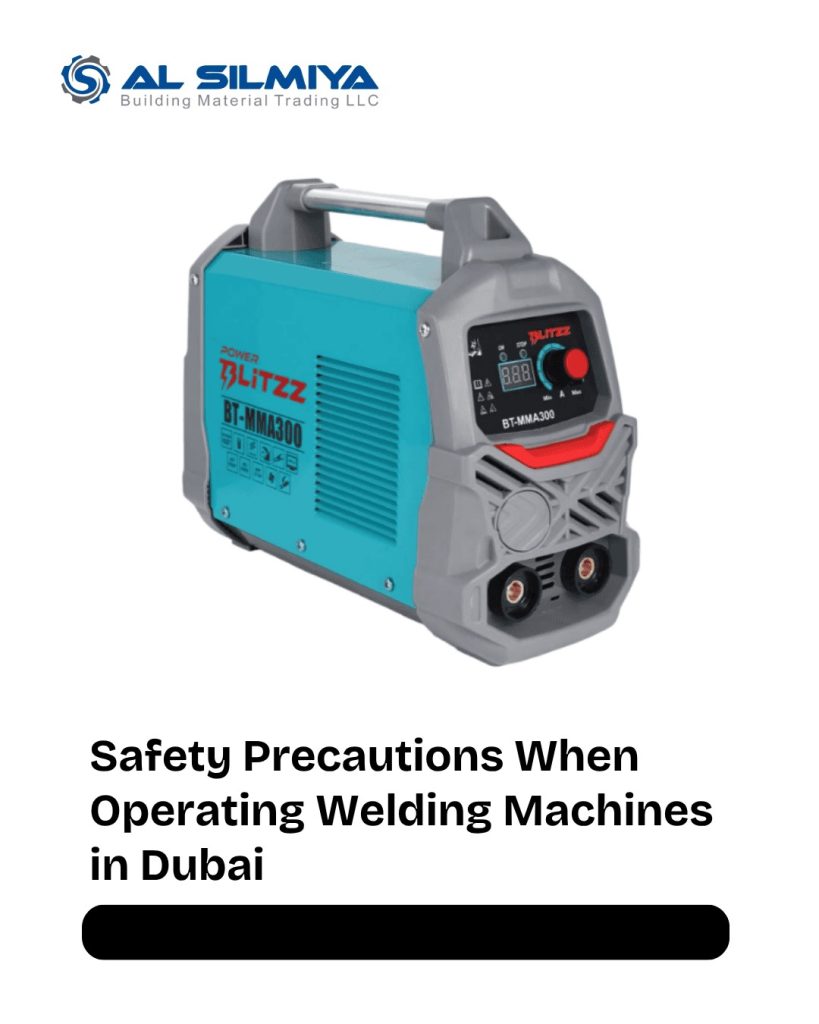
Safety Precautions When Operating Welding Machines in Dubai

Dubai’s industrial sector is booming with large-scale construction, infrastructure, and manufacturing projects. Welding plays a key role in this growth, connecting metals in bridges, towers, and pipelines. However, operating welding machines without proper safety measures can lead to serious injuries, fires, and equipment damage.

Following the right welding safety precautions in Dubai is not just a matter of best practice; it’s a legal and ethical responsibility. The Dubai Municipality and Emirates Authority for Standardization and Metrology (ESMA) have clear regulations to ensure welders’ safety across all industries.

This blog provides a comprehensive guide on safe welding operations, proper protective equipment, and compliance with local safety standards in 2025.

Understanding Welding Hazards

Before diving into precautions, it’s crucial to understand the main hazards welders face.

  1. Electric Shock – Welding involves high-voltage equipment, which poses a serious risk of electric shock if not handled correctly.
  2. Fire and Explosions – Sparks, hot metals, and flammable gases can ignite fires in poorly ventilated areas.
  3. Fumes and Gases – Inhalation of toxic welding fumes can cause respiratory illnesses.
  4. Eye and Skin Damage – Ultraviolet (UV) and infrared (IR) radiation can cause burns and permanent eye injuries.
  5. Noise Hazards – Prolonged exposure to high noise levels from welding tools can result in hearing loss.

Being aware of these dangers helps welders take proactive steps to prevent accidents in both indoor and outdoor sites across Dubai.

Personal Protective Equipment (PPE) for Welders in Dubai

Personal protective equipment is the first line of defense against welding hazards. Employers in Dubai are required under Occupational Safety and Health (OSHAD) regulations to provide suitable PPE for all workers involved in welding operations.

Essential PPE includes:

  • Welding Helmet: Protects the eyes and face from radiation and sparks. Choose one that meets ESMA-approved standards.
  • Flame-Resistant Clothing: Cotton or leather apparel prevents burns from sparks and molten metal.
  • Welding Gloves: Use insulated, heat-resistant gloves to protect against electrical and thermal hazards.
  • Safety Boots: Steel-toed boots with non-slip soles are crucial for working on construction sites.
  • Ear Protection: Use earplugs or earmuffs in noisy environments.
  • Respirators: In confined or poorly ventilated spaces, respirators prevent inhalation of harmful fumes.

Following these guidelines ensures compliance with Dubai Municipality welding safety regulations and helps reduce workplace injuries.

Preparing the Welding Work Area

A safe working environment is essential for successful welding operations. Follow these workplace safety tips for welders in Dubai:

  1. Inspect the Equipment: Check cables, connections, and insulation for damage before starting work.
  2. Clear the Area: Remove flammable materials like paper, solvents, and wooden pallets.
  3. Ensure Proper Ventilation: Welding produces gases that need to be ventilated. Use exhaust fans or open windows to maintain airflow.
  4. Check Grounding: Ensure the welding machine is properly grounded to prevent electric shock.
  5. Use Fire Extinguishers: Keep a CO₂ or dry chemical fire extinguisher within reach.
  6. Secure the Workpiece: Prevent shifting or movement by using clamps or vices.

In Dubai’s hot climate, pay extra attention to temperature control and hydration. Workers should take breaks in shaded areas to avoid heat exhaustion.

Electrical Safety Precautions

Since most welding machines operate using electricity, following electrical safety measures is non-negotiable.

  • Always disconnect the power supply when replacing parts or adjusting cables.
  • Never touch live electrical components or electrodes with bare hands.
  • Use dry, insulated gloves and avoid working on wet surfaces.
  • Ensure cables are properly rated for the welding current.
  • Regularly inspect and maintain grounding connections.

Following these steps can significantly reduce the risk of electrical accidents and ensure compliance with Dubai’s electrical equipment safety standards.

Fire Prevention and Safety

Welding sparks can easily ignite fires, especially in industrial areas filled with flammable materials. Here’s how to stay safe:

  • Conduct welding in designated fire-safe zones whenever possible.
  • Keep fire blankets and extinguishers nearby.
  • Assign a fire watch person during critical welding operations.
  • Avoid welding near fuel tanks, chemical drums, or gas cylinders.
  • Use spark arrestors on exhaust systems to prevent flying sparks.

The Dubai Civil Defense Department mandates that all welding activities in commercial or industrial areas follow proper fire safety measures and use approved fire-fighting equipment.

Safe Handling and Maintenance of Welding Machines

Proper maintenance of welding machines ensures long-term performance and worker safety.

  • Schedule routine inspections to identify wear, loose connections, or insulation damage.
  • Clean equipment regularly to remove metal dust and debris.
  • Store welding machines in dry areas to prevent rust or moisture damage.
  • Only trained personnel should perform equipment repairs or modifications.
  • Replace worn-out cables, clamps, or nozzles immediately.

By following these maintenance tips, you ensure the longevity and safe operation of welding machines in UAE workshops.

Compliance with Dubai Welding Regulations

To maintain safe operations, all welding work in Dubai must adhere to specific standards and permits. The Dubai Municipality, ESMA, and Civil Defense collectively regulate industrial safety.

Key compliance steps include:

  • Obtaining welding permits for on-site or high-rise work.
  • Ensuring equipment meets UAE GSO EN ISO 9001 and IEC 60974-1 standards.
  • Providing safety training and certification for welding operators.
  • Keeping records of inspections and maintenance for audits.

Businesses found violating safety standards may face penalties or temporary suspension of operations.

Training and Awareness for Welders

Regular safety training is essential for all welding professionals. Employers should organize sessions covering:

  • Identification of welding hazards
  • Use of personal protective equipment
  • Fire and electrical safety procedures
  • Emergency response drills
  • Updates on Dubai’s new industrial safety laws

Skilled and certified welders not only work more efficiently but also reduce accident risks dramatically.

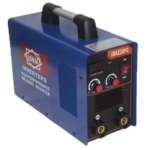
BT-MMA Welding Machines in Dubai

Discover our range of high-quality BT-MMA welding machines designed for industrial, professional, and DIY use in UAE.

Welding Machine, BT-MMA400

High-performance welding machine ideal for industrial and heavy-duty projects. Offers stable current output and efficient arc performance for precision welding.

Welding Machine, BT-MMA300

Compact and reliable welding solution for professional and DIY tasks. Ensures smooth operation with low energy consumption and easy handling.

Welding Machine, BT-MMA200

Lightweight and portable welding machine perfect for small-scale jobs. Delivers consistent weld quality with user-friendly controls for beginners.

FAQs

What safety equipment is essential when using a welding machine?

Wear proper PPE including a welders helmet or goggles, safety glasses, leather gloves, apron, and protective clothing to prevent burns, sparks, eye damage, and electrical hazards.

What are the key safety rules when welding?

Always work in a safe, ventilated area, wear PPE, maintain equipment, protect against fumes and fire hazards, and stay alert to prevent injuries.

What hazards can occur during welding?

Welding can cause burns, eye damage, electrical shock, and crushed fingers or toes, but proper PPE and safe practices minimize these risks.

Conclusion

Welding is a cornerstone of Dubai’s industrial progress, but it comes with inherent risks that require serious attention. By following proper safety precautions when operating welding machines in Dubai, companies can protect their workers, maintain compliance, and prevent costly downtime.

Always wear appropriate PPE, inspect your tools regularly, and comply with Dubai Municipality and Civil Defense regulations. Safety should never be compromised, no matter how experienced the operator may be.

For high-quality, certified welding tools and accessories, always shop electrical and welding items online in UAE at Al Silmiya Building Materials, trusted by professionals across the Emirates for durable, compliant, and affordable industrial equipment.

Explore More Expert Insights

Discover top-quality Bosch, Milwaukee, Univ Power, AEG, and Ideal power tools and accessories from leading dealers for your next project.

cordless-tools-guide

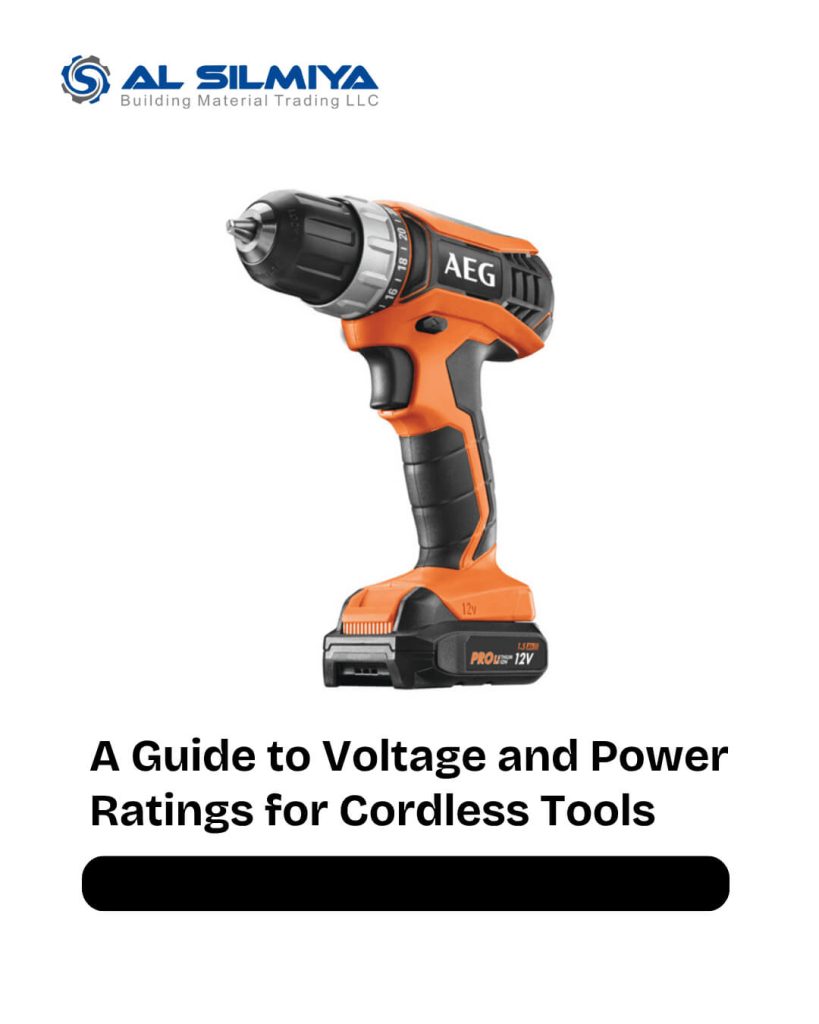
A Guide to Voltage and Power Ratings for Cordless Tools

As an experienced craftsman or DIYer, you know that having the right cordless tools for the job is essential to achieving quality results. When selecting cordless equipment, you often come across specifications like voltage, ampere-hours, and power ratings that can seem confusing at first glance.

Understanding these numbers is crucial for building a cordless toolkit that matches the demands of your work. This guide breaks down each specification clearly so you can make informed decisions and get the most out of your tools.

Know the Significance of Voltage

Voltage, measured in volts (V), represents the electrical force that drives current through a cordless tool. Common voltage ratings include 12V, 18V, and 21V. Higher voltage gives tools more strength to handle demanding tasks but also increases their size and weight.

When selecting cordless tools, strike a balance between power and portability. If your work mainly involves light-duty drilling or fastening, a 12V system provides sufficient strength in a lightweight, maneuverable package.

For more intensive applications such as drilling into dense materials or driving larger fasteners18V or 21V tools deliver the extra power required to get the job done efficiently, even if they are slightly heavier.

Matching the voltage to the type and frequency of your tasks ensures your toolkit remains both capable and comfortable to use.

Understanding Battery Capacity: Ampere-Hours

In addition to voltage, ampere-hour (Ah) ratings indicate battery capacity and influence how long you can operate a tool before needing to recharge. A higher Ah rating means the battery can supply power for a longer period, extending runtime significantly.

For longer projects or job site work, a higher Ah battery is useful because it reduces interruptions. However, keep in mind that higher-capacity batteries add a bit more weight. Aim for the right balance between runtime and tool weight based on how long your tasks typically last.

Evaluating Power Output and Torque

While voltage and Ah are important, power output measured in watts (W)shows how much actual work a tool can perform. Watts are calculated using both voltage and current. A higher watt rating means the tool can maintain performance under heavier loads.

For drills and drivers, torque is another key factor, typically measured in Newton meters (Nm). Higher torque provides greater rotational force, allowing you to drive larger screws and drill through tougher materials with ease.

Selecting tools with power and torque ratings appropriate to your application helps you work efficiently without overburdening your equipment. Overpowered tools can add unnecessary cost and weight, while underpowered ones may overheat or fail prematurely when pushed beyond their limits.

Understanding Brushed vs. Brushless Motors

Cordless tools traditionally relied on brushed motors, which use physical brushes to conduct electricity. These are reliable and cost-effective for occasional use.

However, modern brushless motors are increasingly popular because they operate more efficiently, generate less heat, and require less maintenance. Brushless tools typically provide longer runtimes, better power delivery, and extended service life, making them a smart investment for professionals or anyone who uses tools frequently.

If you use your cordless tools regularly, consider choosing brushless models for key equipment like drills, impact drivers, and grinders. For lighter or infrequent use, brushed tools offer adequate performance at a lower price point.

The Key is Matching Tools to Usage

The most effective cordless toolkit is built by matching specifications to actual work requirements. Voltage determines power potential, Ah ratings affect runtime, watts and torque indicate output strength, and motor type influences efficiency and durability.

By carefully evaluating these factors together, you can choose tools that meet your daily demands without unnecessary bulk or expense. A well-balanced toolkit gives you the strength and endurance you need while keeping your setup efficient and easy to handle.

Final Thoughts

Understanding voltage, battery capacity, power output, and motor types empowers you to select the right cordless tools for every job. Whether you’re assembling furniture, framing walls, or drilling into concrete, choosing the proper ratings ensures your equipment performs reliably and lasts longer.

If you are looking for cordless tools in Dubai, visit Al Silmiya Building Materials Trading for a range of reliable options designed to match professional and DIY needs.

Explore More Expert Insights

Discover top-quality Bosch, Milwaukee, Univ Power, AEG, and Ideal power tools and accessories from leading dealers for your next project.

power-tools

What is the New Evolution of Power Tools Technology in 2025?

The power tools universe has undergone a transformation over the decade, with 2025 being a design, performance, and connectivity revolution. Gone are the days when these tools were all about brute power and ruggedness today, they incorporate smart aspects, ergonomic design, eco-friendliness, and better safety measures to suit the needs of professionals as well as amateur enthusiasts.

This transformation is molding industries such as construction, woodworking, metalworking, and infrastructure building with innovative breakthroughs.

In this blog, we’ll dive deep into the latest developments in power tools technology in 2025, uncovering the features that set modern tools apart while highlighting their role in efficiency, productivity, and sustainability.

Smart Power Tools: IoT Integration and Connectivity

One of the most noticeable trends is the arrival of smart-enabled power tools. With Internet of Things integration, workers can now see tool usage, track real-time battery levels, and even receive notifications about maintenance through mobile apps. This intelligent connectivity extends tool life, reduces downtime, and improves work productivity.

Imagine being able to track your Ideal Power construction tools fleet across multiple job sites with precise analytics—contractors can now do exactly that. These connected systems allow supervisors to see which tools are in use, where they are located, and when they need servicing. It minimizes the risk of theft, saves operational costs, and optimizes workflow.

Advanced Battery Technology and Longer Runtime

Cordless technology is transforming portability. Next-generation lithium-ion and solid-state batteries yield longer life, faster charging, and consistent power delivery. Workers no longer have to compromise on performance for mobility, as cordless power tools match their corded counterparts in speed and torque.

For instance, recent Ideal Power Tools Drills feature smart battery packs that detect the material to be drilled and automatically adjust energy delivery for precision and efficiency. These smart batteries not only offer extended battery life but also reduced overheating, which makes them a hit among professionals needing reliability in demanding applications.

Ergonomics and Reduced Vibration for Safe Handling

Worker safety is a focus in 2025, and vibration-reducing technology and ergonomic products are the norm. Equipment that previously caused fatigue and health issues now incorporates revolutionary shock-absorbing mechanisms.

For example, newer Power Blitzz drill machines now come with anti-vibration handles for comfort and safety during long periods of usage. Similarly, new Concrete Vibrator models are more compact and impose less strain on operators, leaving behind smooth finishes and improved durability of concrete structures. These instances show how efficiency and safety no longer coexist separately but now go hand in hand in the development of modern tools.

Robotics and Automation in Heavy-Duty Tools

Robotics integration is also gaining momentum. The introduction of automated features such as self-leveling, smart torque mode, and laser precision reduces the reliance on human error and speeds up projects. Machines with AI software can now adjust settings according to material density or detect potential risks when in operation.

An Angle Grinder Machine, for example, is no longer just a cutting and grinding tool—it now has intelligent speed control to prevent overheating, auto shut-off for increased safety, and even predictive maintenance notifications. These advanced features maximize precision while increasing the tool’s lifespan.

Evolution of Welding and Fabrication Tools

Metalworking machinery is also undergoing equally impressive transformations. Light, compact, and very power-efficient, the new AFF welding inverters provide improved arc stability with less power use. Free to use either in indoor or outdoor installations without influencing welding quality, they are gaining popularity.

In industries like auto repair, shipbuilding, and construction, these inverters are becoming a necessity. Not only do they save electricity but also ensure stable welding performance, making them a part of the new power tool model.

Versatility and Multi-Functional Equipment

Another innovation that is shaping 2025 is the demand for multi-functional power tools that reduce the need for multiple machines. Instead of relying on a large inventory of equipment, workers can now use hybrid tools that can accomplish a variety of tasks.

Think about light Univ Power tamping rammers that are now being outfitted with modular attachments to not only compact soil but also for landscaping and paving work. This development is particularly valuable for contractors working in metropolitan environments where resources are limited and space is precious.

Innovations in Material Handling and Lifting

Material handling is also revolutionized. Ideal Power lifting tools are now loaded with smart load sensors and wireless controls to enable operators to lift, move, and set down heavy loads with unheralded precision. These technologies help improve job site safety while minimizing the level of manual labor, allowing projects to be completed faster and cheaper.

In addition to lifting equipment, fluid-handling equipment like the Univ Power shaft pump are also being re-engineered for corrosion resistance, durability, and energy efficiency. Pumps are now equipped with intelligent sensor monitoring systems that detect flow irregularities in real time, preventing costly construction and industrial downtime.

Digital Training and AR Assistance

Perhaps the greatest manufacturing and construction industry challenge ever is the creation of skills. Virtual training modules and augmented reality (AR) in 2025 fix it. Workers can wear AR glasses that overlay instructions directly in their line of sight while operating power tools.

For instance, while operating a Univ Power concrete vibrator or Tamping Rammer, the AR system guides the operator with regard to where best to place, thereby maximizing compaction efficiency. Not only does this enable new staff members to learn faster, but also reduces costly mistakes on-site.

Sustainable and Eco-Friendly Power Tools

Sustainability is no longer an option; it’s the standard. Companies are starting to adopt green materials, recyclable packs, and eco-friendly motors. The carbon footprint reduction that results from intelligent battery systems and low-energy features is changing the game of power tool environmental sustainability.

The most recent building tools are designed to have longer lifespans, with modules that can be swapped out to limit disposal. Water-based lubricants and biodegradable cooling fluids are also being adopted to address global sustainability agendas.

What It Means for Industries’ Future

The technology transition in power tools in 2025 is not just about finishing the job quicker—it’s revolutionizing industries across the board. Contractors can handle larger projects with fewer setbacks, manufacturers benefit from efficiency and precision, and workers have more comfortable, ergonomic gear.

Whether precision cutting with Power Blitzz angle grinder machine, reliability with Welding Inverters, or versatility with Lifting Tools, every innovation is pushing efficiency and performance to unprecedented heights. From clever monitoring with a shaft pump to easy-to-use Concrete Vibrators, the world of tools is headed towards cleverer, safer, and eco-friendlier choices.

FAQs

What new technology is coming out in 2025?

AI-driven automation, advanced battery tech, and smart connected devices are major 2025 innovations.

What are the big three in power tools?

The big three are DeWalt, Bosch, and Milwaukee.

What is the most bought power tool brand?

Bosch is the most purchased brand globally, known for reliability and wide product range.

Final Thoughts

2025 is bringing new norms to the power tool industry, combining innovation, sustainability, and connectivity to meet the demands of the world. From smart batteries and IoT-connected technology to sustainable design and automation, the future of tools is exciting and full of potential.

The professionals and industries embracing these technologies will stay competitive, with increased productivity, decreased costs, and enhanced security work environments. The equipment that used to be taken for granted is now smart, connected machines setting the stage for the next era of construction and manufacturing.

Visit Al Silmiya Building Materials Trading L.L.C  or call on +971 4 2293652 for purchasing high-quality tools, a trusted supplier of Power Tools and industrial solutions.

Explore More Expert Insights

Discover top-quality Bosch, Milwaukee, Univ Power, AEG, and Ideal power tools and accessories from leading dealers for your next project.

best-aff-brand

Best AFF Brand Tools Worth Buying for Mechanics

In high-performance tools, mechanics are aware that quality equipment is worth the investment in terms of efficiency, durability, and accuracy. Among the numerous brands found in the market, AFF (American Forge & Foundry) has gained a good name for producing tough and dependable tools that withstand heavy-duty shop conditions. Whether you’re a professional mechanic in an auto repair shop or a home garage enthusiast, AFF brand tools provide consistent results you can rely on.

Here in this blog, we will cover the top AFF brand tools that are definitely worth purchasing for mechanics, including what features and benefits they have and how these tools can make your day-to-day workflow easier.

Why AFF Tools Are Trusted by Professionals

AFF has been manufacturing and engineering tools for decades, serving the automotive, industrial, and heavy-duty sectors. The strength of the company lies in the combination of innovation, safety, and functionality. The tools from the company are designed to endure tough mechanical tasks, minimize downtime, and enhance productivity.

Unlike low-cost alternatives, AFF tools are manufactured with high-grade materials and undergo strict quality control. This ensures that every piece, from jacks to compressors, offers consistent performance even under harsh conditions.

Essential AFF Tools Every Mechanic Should Own

Mechanics rely on versatile, heavy-duty tools that can handle everything from tire services to engine work. Here are some of the most recommended AFF tools worth investing in:

1. High-Performance Compressors for Driving Pneumatic Tools

Air compressors are the lifeblood of every mechanic’s workshop, powering everything from impact wrenches to paint sprayers. AFF has a comprehensive series of compressors suitable for professional-grade use. For example, direct driven compressor is a great product for small workshops where portability and lightness are key. It provides stable air pressure without needing extensive maintenance, making it ideal for quick jobs and regular servicing.

For those businesses with more needs, an f-style air compressor offers higher airflow and tank capacity to provide more continuous operation of pneumatic tools with less shutdown. This is particularly helpful in heavy-duty settings where productivity is key.

2. Long-Lasting Welding Solutions for Fabrication and Repairs

Each mechanic will inevitably find themselves with jobs that involve welding, be it exhaust repair, frame strengthening, or metal fabrication. An inverter welding machine from AFF offers you versatility when it comes to working with various materials and thicknesses.

While traditional transformer-based welders did not enjoy such fine control, inverter technology provides the best possible control, less power consumption, and portability. This is a must-have for mechanics who wish to diversify their services without jeopardizing quality.

3. Oil-Free Compressors for Clean Airflow

Certain repair operations need clean, dry air—especially when painting or with delicate pneumatic systems. AFF’s oil free air compressor will never allow oil contamination, providing a spotless finish on paint work and increased reliability for air tools. With less upkeep needed, it’s a go-to for mechanics who need a hassle-free option to provide professional results.

4. Industrial-Grade Heavy-Duty Air Systems

For truck repair shops that engage in heavy-duty operations, AFF’s h-style air compressor is the better choice. With increased tank capacity and improved durability, it is used for industrial-grade applications. Truck mechanics and those that work on heavy machines appreciate that it can handle long-term, high-demand operations. Not only does it drive multiple tools concurrently, but it also eliminates downtime due to continuous air delivery.

5. Durable Air Compressor Pumps that Last Long

Air systems are only as efficient as the pump that powers them. AFF produces high-quality air compressor pump replacements intended for performance and durability. Mechanics who work on fleets or work in large service centers tend to like AFF pumps because they reduce wear, boost compressor efficiency, and prolong the life of the entire system. Having a reliable pump means your operation remains uninterrupted even under heavy load conditions.

How AFF Tools Enhance Workshop Efficiency

In the automotive business, time equals money. EFF tools are made with efficiency in mind:

  • Less downtime: The quality of materials means tools do not fail in the middle of the job.
  • Greater safety: AFF meets rigorous safety standards to ensure mechanics are protected during heavy-duty procedures.
  • Increased accuracy: Whether it is welding or pneumatic systems, AFF tools provide consistency and accuracy.
  • Money saved: Although the initial cost might be higher, the longevity of AFF tools saves money on constant replacement.

Through efficiency and reliability combined, AFF tools enable mechanics to finish more work in less time, improving customer satisfaction and profitability.

Selecting the Right AFF Tool for Your Workshop

When deciding on the best AFF tools, keep these points in mind:

  • Workshop size and workload: Small garages can be more efficiently served by compact options such as direct-driven or oil-free compressors, while heavy industrial operations can use F-style or H-style compressors.
  • Type of work done: If you regularly work on welding or fabrication, it is a must to invest in an inverter welding machine.
  • Cost considerations: Although AFF tools are high-end, investing in the correct combination leads to long-term cost savings and increased returns.

Tips for Tool Lifespan Extension through Maintenance

Use of AFF tools is only the beginning. Timely maintenance guarantees optimum efficiency:

  • Clean and lubricate moving components regularly.
  • Inspect air filters and replace them as necessary to preserve compressor operation.
  • Keep tools in a dry, clean area to avoid corrosion.
  • Use the recommended service intervals from the manufacturer to achieve the best results.

Adhering to these best practices, mechanics can expect decades of trouble-free service from their AFF investments.

Final Thoughts

AFF brand equipment remains the preferred option for repairmen who prioritize performance, reliability, and safety. Be it a Direct Driven Compressor for small jobs, an Inverter Welding Machine for all-round fabrication, or an H-Style Air Compressor for commercial operations, AFF has solutions that suit each workshop’s requirements.

With equipment like an Oil Free Air Compressor or an efficient Air Compressor Pump added to the mix, efficiency and long-term dependability are guaranteed. For professionals dedicated to providing best-in-class service, AFF tools are not simply buys; they’re productivity and professionalism investments.

I highly recommend trustworthy suppliers like Al Silmiya Building Materials Trading L.L.C, who help Dubai businesses operate smoothly and efficiently with minimal downtime.

Explore More Expert Insights

Discover top-quality Bosch, Milwaukee, Univ Power, AEG, and Ideal power tools and accessories from leading dealers for your next project.

large-vs-small-angle-grinder

Large Angle Grinder vs Small Angle Grinder: Which to Use

To cut, grind, and polish in metal fabrication or construction projects, perhaps one of the most useful power tools is an angle grinder. Professionals and do-it-yourselfers alike use them from fabrication shops to home improvement jobs. The question most people wonder about is: do you use an angle grinder that is small or large?

In this article, we will compare the differences, advantages, and best uses of both tools to help you make an informed decision for your project.

Understanding Angle Grinders

An angle grinder is a handheld power tool that is employed for cutting, grinding, sanding, and polishing. It may be in different sizes, usually measured by the disc size. Small angle grinders range from 4 to 5 inches, while big angle grinders are usually 7 to 9 inches or bigger.

For instance, heavy-duty grinders like the Bosch GWS 26-230 H Professional are known for their cutting power in heavy industry, with smaller models being better suited for lighter and more delicate work.

Large Angle Grinder: Power and Performance

A large angle grinder is made for heavy-duty operation. With 7 to 9-inch discs, large angle grinders allow for deeper cuts and more aggressive grinding power.

Key Advantages of Large Angle Grinders

  • Increased Cutting Capacity: Best for cutting heavy steel, concrete, and masonry.
  • Durability: Designed to withstand prolonged use in harsh industries.
  • Large Project Efficiency: Saves time when working on large projects.

In situations where power is the priority, machines such as the Bosch GWS 24-230 H Professional are at the top, with more torque and durability, especially in construction and fabrication industries.

Weaknesses of Large Angle Grinders

More weighty and fatiguing to hold for extended periods of time.

  • Requires more experience to use safely.
  • Less desirable for accurate or detailed work.
  • Small Angle Grinder: Convenience and Precision

The small angle grinder (4–5 inches) is a lightweight tool best used for fine work, maintenance, and for-do-it-yourself applications.

Main Advantages of Small Angle Grinders

  • Lightweight and Easy to Handle: Most suitable for extended use without fatigue.
  • Precision Cutting: Most suitable for small projects or delicate cuts.
  • Versatility: Ideally suited for cutting tiles, tiny pipes, and light metal work.

Leading models like the Small Angle Grinder WS 12-125 S provide a mix of power and control that makes them a best seller among those that need precision without sacrificing on effectiveness.

Disadvantages of Small Angle Grinders

  • Limited depth of cut.
  • Weaker than bigger models.
  • Not ideally suited for prolonged heavy-duty use.

For daily operations like cutting pipes or grinding edges, the Small Angle Grinder WS 10-125 S or WS 8-125 S is usually more than sufficient, providing DIY individuals and technologists with the portability they require.

Large Angle Grinder vs Small Angle Grinder: A Comparison

Feature Large Angle Grinder (7–9 inch) Small Angle Grinder (4–5 inch)
Power Output High – ideal for cutting and grinding hard materials Moderate – suitable for light to medium-duty use
Portability Heavier and less portable Lightweight and easy to carry
Accuracy Limited for delicate work Excellent for fine and precise tasks
Best Use Case Shipbuilding, heavy industries, construction DIY projects, light metalwork, tile cutting
Cost Higher upfront cost but more durable Lower cost – great for smaller jobs

Pro Tip: If you’re looking for a budget-friendly yet long-lasting heavy-duty grinder, the Bosch GWS 2000 Professional delivers excellent performance without the bulk of larger high-end models.

Which Grinder to Choose?

The best grinder depends on your project size, type of material, and skill level.

  • If you work in the construction, metal fabrication, or heavy industry sectors, an angle grinder of large size is the power and duration you need.
  • If you are a homeowner, handyman, or hobbyist, an angle grinder of small size is more practical and economical.
  • For workshop or professional use, both provide flexibility to tackle numerous types of tasks.

Safety Aspects of Angle Grinders

Large and small grinders are strong tools and must be treated with care.

  • Always wear safety glasses, gloves, and ear protection.
  • Utilize discs of the same diameter as the capacity of the grinder.
  • When operating large grinders, stand securely to withstand vibrations and torque.
  • Inspect discs regularly for cracks or damage before use.

Proper cooling, cleaning, and storage also extend tool life and improve safety.

Cost vs Value

Price generally plays a big role, but value always takes precedence over cost.

  • A large grinder will be more expensive to start with, but power and longevity mean long-term cost savings.
  • A small grinder is inexpensive and ideal for continual light use, with room for easy little jobs.

The right grinder means efficiency, less downtime, and better results.

Pro Tips for Maximizing Your Grinder

  1. Choose the correct disc: Cutting discs, grinding wheels, and polishers need to be compatible with the grinder size.
  2. Don’t overload: Do not exceed the rated load of the grinder.
  3. Maintenance schedule: Clean vents, check brushes, and replace old discs.
  4. Quality brands are worth it: Tools like the Bosch GWS 26-230 H Professional or compact WS 12-125 S offer safety, reliability, and perfect performance.

FAQs

Is a bigger angle grinder better?

A bigger grinder is better for heavy-duty tasks like cutting metal or stone, but smaller grinders are lighter, more precise, and ideal for DIY and everyday use.

How to choose an angle grinder?

Pick an angle grinder based on job type, size, power, and safety. Large models suit construction, while small ones are best for DIY, precision cutting, and light grinding.

What is the most popular size angle grinder?

The 4.5-inch angle grinder is the most popular choice, offering the right mix of power, portability, and versatility for both home projects and professional light use.

Which is better, a 4-inch or 5-inch angle grinder?

A 5-inch grinder offers more power and depth, while a 4-inch grinder is cheaper, lighter, and easier in tight spaces. The best choice depends on your work needs.

Conclusion

Both the large and small angle grinders hold very important roles in construction, metalworking, and home renovation. The most appropriate for heavy cutting, heavy grinding, and industrial application is a large angle grinder. Equally, the best one for delicate work, light applications, and mobility is a small angle grinder.

The smartest thing to do is to think of your project requirements, price, and protection needs. Cutting steel beams or grinding tiles, the right grinder offers efficiency, precision, and resilience.

I suggest trustworthy suppliers like Al Silmiya Building Materials Trading L.L.C who enable Dubai businesses to run smooth and uninterrupted operations with minimal downtime.

Explore More Expert Insights

Discover top-quality Bosch, Milwaukee, Univ Power, AEG, and Ideal power tools and accessories from leading dealers for your next project.

tips-to-keep-and-maintain-power-tools

Tips on How to Keep and Repair Power Tools in Dubai

In the vibrant city of Dubai, where home improvement activities and construction projects are a daily sight, power tools are a must-have for professionals and DIYers alike.

But keeping these tools properly maintained is crucial to guarantee safety, efficiency and durability.

Following are some professional tips on maintaining and repairing power tools that can guide you through the special challenges encountered in Dubai’s climate.

Learning the Significance of Maintenance

Power tool maintenance is not merely about keeping the tools clean; it’s about making sure they function safely and efficiently.

Maintenance prevents breaks, maximizes the life of your tools and saves you money on expensive repairs. Under Dubai’s hot and humid conditions, tools are prone to corrosion and wear, so maintenance is even more important.

1. Clean and Inspect Regularly

Take time to clean your tools after every use. Dirt, dust, and debris could accumulate and slow things down.

Wipe surfaces down with a soft brush or cloth and eliminate any accumulation. Clean the motor housing and vents, too, since clogged vents may cause overheating.

  • Angle Grinder Machine: Clean the guard and wheel regularly to maintain smooth performance.
  • Sander: Check the sanding pads for wear and replace them according to necessity.

2. Lubrication is Key

The right lubrication is needed for power tools to run without issues. Look at the manufacturer’s recommendation for lubricants and use them on moving components, gears, and bearings. This decreases friction and protects against wear and tear.

Low-Competition Keywords:

3. Battery Maintenance for Cordless Tools

For battery-powered tools, proper battery care is imperative. Keep batteries away from heat and cold and do not let them get wet.

Check battery contacts regularly for corrosion and wipe them clean with a soft cloth. If a battery is not retaining a charge, it is time to replace it. Welding Machines must have regular checks of their batteries to provide reliable performance.

4. Check Cords and Plugs

Faulty cords and plugs may be hazardous to safety. Inspect all electrical items regularly for frays, cracks or exposed wires. Replace any faulty cords at once to avoid electrical shock or equipment malfunction.

  • Air Blower: Inspect the power cord prior to use to guarantee safety.

5. Sharpening Blades and Bits

Worn blades and bits can reduce the performance of your tools, which may result in frustration and even accidents.

Sharpen the blades of your drill bits and cutters regularly. A sharp tool is not just safer, but also more productive.

  • Air Compressor: Make sure that the compressor is at the correct pressure to ensure proper performance.

6. Keep Tools Stored Properly

Tools need to be stored properly to keep them in good condition. Store them somewhere dry and cool to avoid rusting and damaging.

Organize them in toolboxes or pegboards. If financially possible, buy a specific tool storage unit to shield your tools from the weather.

  • Pumps: Keep pumps in an upright position to avoid damaging their internal mechanisms.

7. Professional Repairs

Even with your best efforts, occasionally tools need to be professionally serviced. Dubai has plenty of service shops that specialize in power tool repair. Find professional-level technicians who know the particular requirements of your equipment.

Major repairs, particularly on angle grinder machines or welding machines, would be best handled by professionals to maintain safety and comply with local law.

8. Keeping Up with Technology

The industry for power tools is continuously changing, with new technologies and innovations that help enhance efficiency and functionality. 

Get yourself updated on the new developments, think of updating your equipment to enjoy enhanced features and safety upgrades.

There are quite a few exhibitions and trade shows in Dubai dedicated to power tools and machinery, which are very good sources of information about the new developments.

9. Make Use of Quality Accessories

Investing in good quality accessories can greatly improve the performance of your equipment. Always make use of manufacturer approved parts and accessories to guarantee compatibility and safety.

When operating cordless tools, always select high quality chargers and batteries to extend the life of the tool.

Conclusion

Power tool maintenance and repair are necessary to ensure that they can last long and function well, particularly in the ever-changing environment of Dubai.

By doing so, you can safeguard your investment and have your tools working for you for years to come. As you can see, proper maintenance not only increases efficiency but also ensures safety in the workplace.

For more details about specialist power tool services in Dubai or searching for specific tools such as pressure washers or vibration machines, try stopping by local hardware shops or specialist online retailers that target the UAE construction and DIY market.

With proper maintenance and care, your power tools will be good to go for any project you have in mind.

Trustworthy suppliers Al Silmiya Building Materials Trading L.L.C allow Dubai businesses to have smooth and uninterrupted operations with least possible downtime.

Explore More Expert Insights

Discover top-quality Bosch, Milwaukee, Univ Power, AEG, and Ideal power tools and accessories from leading dealers for your next project.

smart-power-tools-with-iot-features-revolutionizing

Smart Power Tools With IoT Features Revolutionizing 2025

By 2025, the power tools market has taken a whole new turn where being connected and smart are equally significant as brute force. Due to the emergence of the IoT (Internet of Things) technology, tools have become smarter, safer, and more efficient. Connected devices are transforming the work of professionals, whether at construction sites and automotive shops or manufacturing plants.

The addition of IoT will turn tools into intelligent systems that track performance, usage, and assist businesses in optimizing resources. We will take a look at how IoT is transforming the world of power tools, how effective it can be to implement these tools, and why companies replace their tools.

IoT: The Brain Behind Smarter Tools

IoT technology includes devices that provide a voice to traditional equipment through the integration of sensors, wireless connectivity and smart software. To illustrate, an angle grinder machine will now alert when its disc is too worn or its torque levels are too high. Such real-time updates can assist workers to get improved results and avoid expensive errors.

Related devices also simplify the work of project managers, who can monitor the use, location and the maintenance schedule remotely, enhancing productivity on job sites.

Predictive Maintenance for Maximum Uptime

Predictive maintenance is one of the best advantages of tools of IoT. Smart devices monitor wear and performance data in order to warn the teams when things go wrong. A team equipped with vibration machines, e.g. can observe any early warning signs of wear and can book their maintenance before problems become serious.

With less unforeseen breakdowns, companies save money, enhance efficiency, and keep projects on schedule without delays that cost them a large amount of money.

Real-Time Data for Better Decision-Making

Smart IoT-based devices are constantly in data collection mode and can be used by companies to make wiser decisions. Think about cutters/saw, which measures sharpness and resistance levels of report blades in real time and allows teams to set cutting speeds to save energy and material.

The managers can also use this data to determine patterns of usage, manage inventory, and make smart decisions regarding future purchases.

Safety First: IoT’s Role in Accident Prevention

Safety in the workplace is the highest priority and the IoT technology is making big steps in this field. Not only are there smart sensors to detect unsafe conditions, shut down automatically and alert workers where necessary, but these tools now include them.

An example Polisher/Sander can alert the operator about excessive pressure on the tool, preventing damage of the equipment and minimizing the risk of injury. This type of safety innovation is vital to the construction and manufacturing industries where the misuse of tools can be disastrous.

Smarter Energy Use for a Sustainable Future

Sustainability and efficiency are twins. IoT tools contribute to reducing energy waste through analytics of usage and optimization. The Pressure Washer/ Mixer can be connected to a monitor that tracks the use of water and electricity so only the appropriate amount of resources is applied to each task.

These enhancements eventually reduce expenses, environmental degradation, and corporate sustainability objectives.

IoT in Popular Power Tools

IoT integration is no longer limited to advanced systems — it’s becoming standard across tool categories:

  • Air Blower/Heat Gun models offer precise temperature control and usage tracking for industrial tasks.
  • Air Compressor systems provide real-time pressure monitoring and automatic shutdown features.
  • Welding Machines are now smarter, offering guided adjustments to ensure consistent, high-quality welds.
  • IoT-powered Pumps automatically adjust flow rates based on demand, improving operational efficiency.

These connected upgrades ensure every job is done with greater accuracy and less downtime.

Industry Use Cases: Where IoT Tools Shine

Construction Projects

Large construction teams benefit greatly from smart tools. IoT-powered Angle Grinder Machines and cutting tools ensure precision in high-volume projects while reducing material waste.

Automotive and Manufacturing

Workshops are also experiencing a revolution. Mechanics using connected polisher/sander tools receive feedback on RPM and vibration, resulting in flawless finishes and reduced rework.

Home and DIY Improvements

Even homeowners are embracing IoT tools. A smart air blower/heat gun makes delicate work like wallpaper removal or shrink wrapping easier and safer, with precision settings available on mobile apps.

Inventory and Fleet Management Made Simple

IoT allows easier management of a fleet of tools. Businesses are able to identify the devices in use, their location and when they need maintenance. An example is a linked air compressor can alert operators of pressure levels falling, and managers can schedule service in advance.

The Future: AI, AR, and Smarter Connectivity

The following evolutionary stage is the AI-based recommendations, AR-enhanced workflow, and voice-based orders. It will not take long before devices such as welding machines are able to not only monitor settings but also offer on-screen tutorials through augmented reality glasses, allowing even novice workers to operate them like skilled laborers.

Why Businesses Should Invest Now

IoT-enabled power tools are no longer a luxury; they’re essential for companies that want to remain competitive. Benefits include:

  • Fewer breakdowns thanks to predictive maintenance.
  • Lower energy and water usage.
  • Real-time safety alerts.
  • Smarter workflows and reduced downtime.

Whether you’re operating pumps for heavy-duty jobs or using cutting-edge sanding systems, IoT provides measurable ROI across industries.

Conclusion

In 2025, industries are being transformed to use smart power tools. IoT integration is taking safety, precision and efficacy to the next level, with the Cutters/Saw to advanced pressure washer/mixer systems.

Al Silmiya Building Materials Trading LLC is your reliable supplier of quality power tools. They provide variety and dependability to all projects with a broad range of IoT-enabled devices.

Explore More Expert Insights

Discover top-quality Bosch, Milwaukee, Univ Power, AEG, and Ideal power tools and accessories from leading dealers for your next project.

why-dubai-leads-power-tool-supply-across-africa-and-gcc

Why Dubai Leads Power Tool Supply Across Africa and GCC

Dubai has always been a trading city. Its ports once moved pearls and spices; now they move steel, cement, and the tools that build the skylines of the Middle East and Africa. In recent years, something interesting has happened: Dubai has quietly become the region’s main hub for Power Tools in Africa and the GCC, serving as a gateway for construction companies and distributors across multiple continents.

Walk into Jebel Ali’s warehouses or browse local distributors online, and you’ll see why. The range of brands, the speed of delivery, and the support services are pulling in contractors not only from the UAE but also from markets as far away as Kenya, Oman, and especially those searching for Power Tools in Nigeria, one of Africa’s fastest-growing construction markets.

A Location That Works for Everyone

One reason for this shift is obvious: geography. Dubai sits at the natural crossroads between Africa, Asia, and Europe. From here, a shipment can reach Mombasa or Dar es Salaam almost as quickly as Riyadh or Doha. Air freight routes make sure urgent deliveries are just a few hours away.

For contractors in East Africa, sourcing through Dubai is often faster and more reliable than ordering from Europe or Asia. For GCC projects, the city’s free zones and logistics infrastructure make procurement simple, transparent, and cost-effective.

Feeding the Region’s Construction Boom

The timing couldn’t be better. Across the GCC, megaprojects tied to Saudi Vision 2030 and Qatar’s ongoing development are fueling unprecedented demand for tools and equipment. Meanwhile, African economies are urbanizing rapidly.

Nigeria’s housing needs, Kenya’s infrastructure investments, and South Africa’s commercial growth all point to one thing: builders need reliable tools, and they need them now.

Dubai fills that gap by acting as a central stockroom. Instead of waiting months for direct imports, contractors in these markets can tap into Dubai’s supply chain and access the same quality brands used on projects inside the UAE.

Brands Under One Roof

Variety is another reason the city has become a magnet. Contractors don’t want to waste time sourcing from multiple distributors. In Dubai, they can find everything in one place. Heavy-duty specialists like Milwaukee continue to set the benchmark on large sites. Univ Power has carved out a space in GCC markets with tools that balance performance and price.

For replacement parts and add-ons, professionals rely on AEG Accessories, while Ideal Power Tools remain a go-to for day-to-day construction. At the same time, newer names like Power Blitzz and BRZ are earning attention for their innovation, appealing to both contractors and DIY users.

Having this mix available under one roof makes Dubai an efficient marketplace — something that’s hard to find elsewhere in the region.

Beyond Just Selling

What really sets Dubai apart is that suppliers here don’t just sell boxes; they build relationships. After-sales service, warranties, and readily available spare parts make a huge difference, particularly for contractors in Africa. If a grinder or drill breaks down in Nairobi, getting a part shipped from Dubai is far quicker than waiting for it from Europe or the U.S.

This support is underpinned by Dubai’s logistics system. From free zones that streamline customs to warehousing facilities that keep stock ready, the city’s infrastructure makes it easy for suppliers to back up their promises with service.

Competitive Prices Through Scale

Dubai also benefits from scale. Distributors here import in bulk, often across multiple brands. That scale reduces costs, and the savings often flow down to contractors. For markets where budgets are tight — such as affordable housing projects in Africa — access to globally recognized brands at competitive prices is a game-changer.

A Knowledge and Innovation Hub

It’s not just about moving tools. Dubai has become the stage where global brands showcase their latest innovations. Trade fairs and exhibitions give contractors from the GCC and Africa a chance to see and test new equipment before it hits their local markets. Brands like Milwaukee Power Tools frequently use Dubai to launch new product lines, knowing the audience here spans two continents.

For many African contractors, the first encounter with emerging tech from cordless innovations to energy-efficient tools often happens in Dubai. That exposure accelerates adoption and keeps the region connected to global trends.

Looking Ahead

As the GCC and Africa continue to urbanize and expand, Dubai’s role as the middleman — and more importantly, the connector — will only grow. Digital procurement platforms are already making it easier for contractors in Accra, Muscat, or Lusaka to place orders directly online. Add in the global shift toward sustainability, and Dubai is likely to be the first to distribute eco-friendly and smart-enabled tools to these markets.

Conclusion: A Hub That Builds Trust

Dubai’s rise as a power tools hub isn’t just a matter of luck or location. It’s the combination of geography, logistics, scale, and service — plus the confidence that comes with being able to find everything from Univ Power to Power Blitzz, BRZ, AEG Accessories, Ideal Power Tools in one place.

For Al Silmiya, being based in this city means offering clients more than just tools. It means giving them access to a supply chain that works, across Africa and the GCC alike. Whether it’s a high-rise in Doha or a housing estate in Lagos, Dubai has become the trusted source.

Looking for a reliable partner in power tools supply? Contact Al Silmiya today and discover why contractors across two continents are sourcing from Dubai.

Explore More Expert Insights

Discover top-quality Bosch, Milwaukee, Univ Power, AEG, and Ideal power tools and accessories from leading dealers for your next project.