








what-is-an-air-compressor-types-uses-how-it-works

What Is an Air Compressor? Types, Uses & How It Works

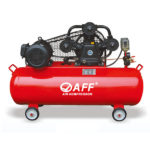
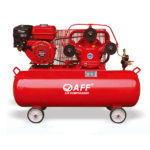
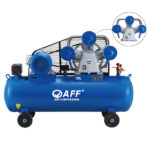
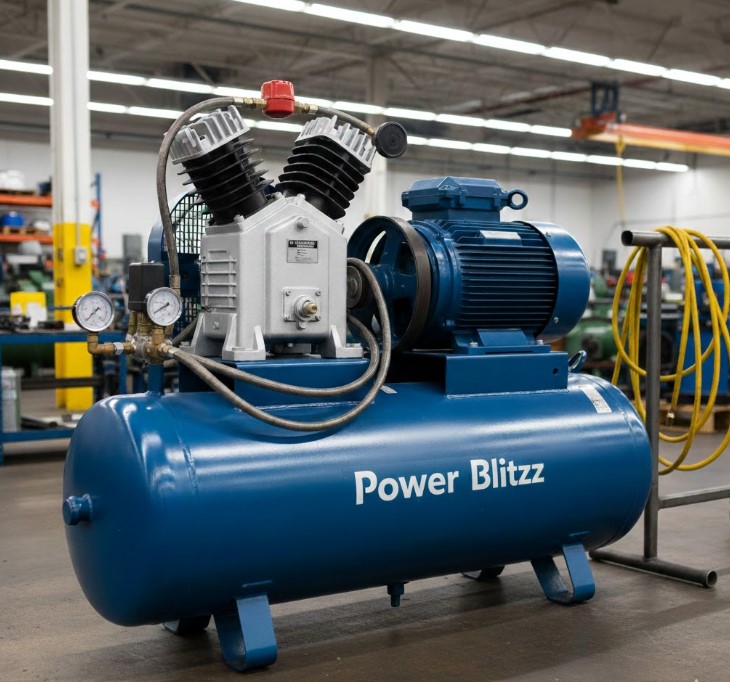
An air compressor is a mechanical device that converts electrical, gasoline, or diesel energy into pressurized air used to power tools, machinery, and technical systems. Instead of delivering force directly through electricity, the compressor stores compressed air inside a tank and releases it in a controlled manner when required.

This makes air compressors highly efficient, flexible, and cost-effective for homes, workshops, construction sites, and industrial facilities. Because compressed air is clean, safe, and easy to regulate, it remains one of the most widely used energy sources in modern mechanical operations.

Why Air Compressors Are Important Today

Modern industries prioritize energy efficiency, automation, and long-term reliability. Air compressors support these goals by delivering steady pneumatic power with relatively low maintenance requirements. They enable multiple tools to operate from a single system, improve workflow speed, and reduce manual labor.

From small garages to large manufacturing plants, compressors contribute to higher productivity and operational consistency, making them essential equipment in 2026 and beyond.

Types of Air Compressors

Reciprocating (Piston) Compressor

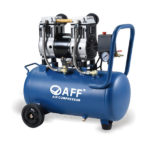
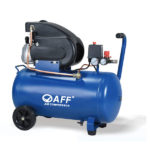
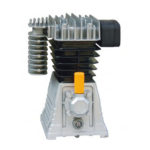
This commonly used compressor relies on a piston moving within a cylinder to compress air. It is affordable, simple to maintain, and ideal for home garages, light workshops, and tire inflation.

Rotary Screw Compressor

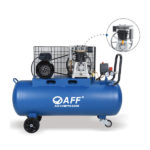
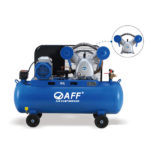
Rotary screw compressors use two interlocking rotating screws to produce continuous, smooth airflow. They are widely used in industrial plants, automotive workshops, and production environments that require uninterrupted performance.

Oil-Free Compressor

Oil-free compressors generate clean, contamination-free air, making them suitable for medical, dental, laboratory, and food-processing applications where purity is critical.

Portable Air Compressor

Portable compressors are compact and easy to transport, making them practical for vehicle tires, bicycles, sports equipment, and emergency roadside use. Their mobility makes them popular for personal and light-duty tasks.

Common Uses of Air Compressors

Automotive and Garage Applications

Air compressors inflate tires, power impact wrenches, assist in spray painting, and support vehicle detailing. They are essential tools in automotive maintenance and repair.

Home Improvement and DIY Projects

They operate nail guns, staplers, and cleaning tools while also inflating recreational and household items, providing strong support for everyday home maintenance.

Construction and Manufacturing

Heavy pneumatic drills, cutting equipment, sandblasting tools, and automated production systems depend on high-capacity compressed air for efficient and continuous operation.

HVAC and Technical Maintenance

Technicians use compressed air for system cleaning, leak testing, and servicing cooling equipment, ensuring safe and reliable mechanical performance.

How an Air Compressor Works

Air Intake

The compressor draws surrounding air through a filtered intake valve that removes dust and debris.

Compression

Inside the pump mechanism, air volume decreases while pressure increases, converting mechanical motion into stored energy.

Storage

Compressed air moves into a reinforced tank where pressure is maintained until needed.

Controlled Release

A regulator valve releases air at the required pressure level, allowing connected tools and equipment to operate safely and efficiently.

Modern compressors often include automatic shut-off systems, pressure monitoring, and energy-saving motors, improving safety and reducing electricity consumption.

How to Choose the Right Air Compressor

Tank Size

Tank capacity determines how long tools can operate before pressure refilling is required.

PSI and CFM Ratings

PSI defines pressure strength, while CFM measures airflow volume needed for specific pneumatic tools.

Power Source

Electric compressors are suitable for indoor environments, whereas fuel-powered units handle outdoor and heavy-duty applications.

Noise and Efficiency

Lower noise levels and improved energy efficiency enhance user comfort and reduce long-term operating costs.

Benefits of Using an Air Compressor

Air compressors provide several practical advantages:

  • Faster and more precise task completion
  • Ability to power multiple pneumatic tools
  • Strong durability with long operational life
  • Reduced physical effort and improved efficiency
  • Adaptability for residential, commercial, and industrial environments

These strengths make air compressors a core component of modern mechanical systems.

Maintenance Tips for Long-Term Performance

Drain Moisture Regularly

Removing moisture prevents internal rust and corrosion inside the tank.

Replace Air Filters

Clean filters ensure proper airflow and maintain compressor efficiency.

Monitor Lubrication

Oil-based compressors require regular lubrication checks to avoid wear.

Inspect Hoses and Valves

Routine inspection improves operational safety and prevents pressure leaks.

Store Properly

Keeping the unit in a clean, dry space extends lifespan and reliability.

FAQs

What tools are compatible with air compressors?

Air compressors power pneumatic tools such as nail guns, spray guns, impact wrenches, air ratchets, sanders, and tire inflators, depending on PSI and CFM capacity.

What size air compressor do I need for home use?

For home and DIY tasks, a 2–6 gallon compressor with 90 PSI is usually enough for inflating, cleaning, and light nailing jobs.

Can an air compressor run continuously?

Most standard compressors are designed for intermittent use, while industrial or oil-lubricated models can run longer with proper cooling and maintenance.

How do I choose the right air compressor?

Select based on required PSI, CFM, tank size, and intended tools to ensure efficient and safe performance for your application.

Are oil-free air compressors better than oil-lubricated ones?

Oil-free compressors need less maintenance and suit light tasks, while oil-lubricated models offer quieter operation and longer durability for heavy-duty work.

Conclusion

Air compressors are powerful, efficient, and versatile machines that convert energy into controlled pressurized air for applications ranging from home improvement and automotive repair to heavy industrial production. Understanding their types, working principles, and selection factors helps users improve productivity, reduce operating costs, and maintain reliable performance in any environment.

Understanding the working principles of air compressors is essential for achieving maximum efficiency, durability, and performance in any industrial or commercial environment. Al Silmiya Building Materials Trading provides reliable, energy-efficient, and high-performance air compressor solutions designed to meet diverse operational needs.

Backed by technical expertise and a commitment to quality, Al Silmiya helps businesses optimize productivity while reducing long-term operating costs. Explore Al Silmiya’s advanced air compressor range today to find the ideal solution that supports smooth, efficient, and future-ready operations.

Keep Exploring More with Al Silmiya

step-by-step-guide-to-using-a-cordless-drill

Step-by-Step Guide to Using a Cordless Drill

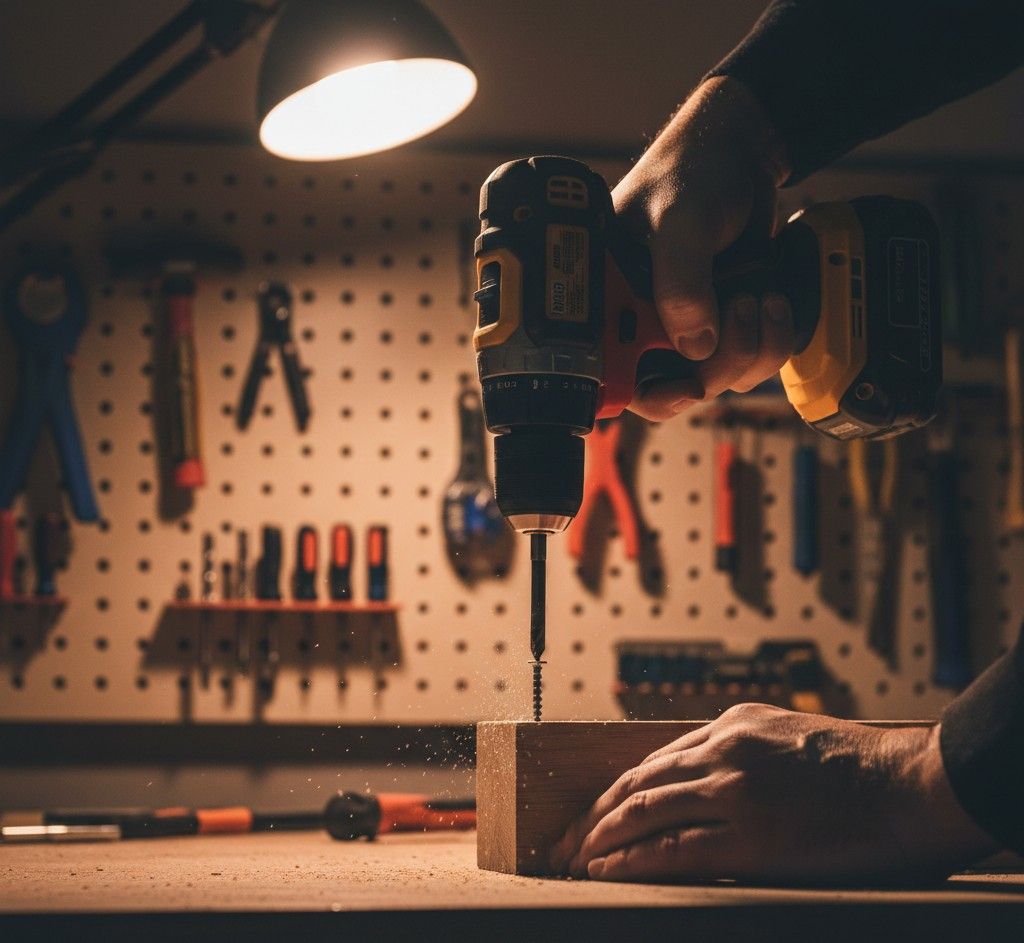
Cordless drills are among the most versatile and essential tools for both professionals and DIY enthusiasts. From construction and woodworking to home repairs and furniture assembly, these battery-powered tools combine mobility, power, and precision, making tasks faster and safer. Understanding how to use a cordless drill effectively ensures optimal performance, safety, and longer tool life.

This guide explains what cordless drills are, their components, step-by-step usage instructions, maintenance tips, and how to choose the right model for your needs.

What Is a Cordless Drill?

A cordless drill is a portable, battery-powered tool designed to drill holes and drive screws without the need for a constant power outlet. Unlike corded drills, cordless drills provide mobility and convenience, making them suitable for on-site construction, maintenance, and DIY projects.

Key components include a rechargeable lithium-ion or nickel-cadmium battery, variable speed motor, adjustable clutch, and chuck that accepts different drill bits. Many modern cordless drills also include LED work lights, torque settings, and quick-release chucks for easy bit changes.

Why Using a Cordless Drill Matters

Cordless drills save time and increase efficiency. They eliminate the limitations of cords, reducing trip hazards and allowing work in tight or remote spaces. Professionals rely on high-quality brands for durability, performance, and warranty support, ensuring consistent operation across various applications.

Choosing the right cordless drill affects drilling accuracy, screw retention, and battery longevity, which are critical factors for long-term projects or frequent use.

Types of Cordless Drills

Understanding the types helps buyers choose tools suited to their tasks:

  • Standard Cordless Drill/Driver: General-purpose tool for drilling and light screw-driving. For users who need reliable power for home or workshop projects, the Power Blitz cordless drill 18V provides versatile performance, long battery life, and consistent results.
  • Hammer Drill: Adds a percussive hammering motion for masonry and concrete.
  • Impact Driver: Delivers high torque for driving screws and bolts efficiently.
  • Right-Angle Drill: Ideal for tight spaces and corners.
  • Brushless Motor Drill: Higher efficiency, longer lifespan, and reduced maintenance.

High-quality drills often include lithium-ion batteries, adjustable speed settings, ergonomic grips, and compatibility with multiple accessories.

Step-by-Step Guide to Using a Cordless Drill

1. Safety First

  • Always wear protective eyewear to prevent debris from entering your eyes and gloves to protect your hands from slipping.
  • Ensure the workpiece is securely clamped or held in a vice to prevent movement during drilling.
  • Inspect the drill, battery, and cord (if present) for any damage before starting.
  • Keep your workspace clear of obstacles and maintain a stable stance to avoid accidents.

2. Select the Right Drill Bit

  • Choose a drill bit suitable for the material, such as wood, metal, masonry, or plastic.
  • Match the drill bit diameter with the screw or hole size to prevent over-drilling or stripping.
  • Insert the bit firmly into the chuck and tighten it securely to avoid wobbling.
  • Consider using specialty bits like brad point for wood or masonry bits for concrete for improved results.

3. Adjust Torque and Speed

  • Set the torque level according to the screw size or material hardness to avoid damaging surfaces.
  • Use lower speeds for precision or hard materials and higher speeds for soft materials or quick drilling.
  • For screw-driving tasks, adjust torque to prevent overdriving or stripping the screw head.
  • Some drills have variable speed triggers, giving you finer control during operation.

4. Positioning the Drill

  • Hold the drill perpendicular to the surface for straight, accurate holes.
  • Maintain a two-handed grip if possible, with one hand on the handle and the other supporting the base.
  • Apply steady, moderate pressure, letting the drill do the work without forcing it.
  • Mark the drilling point with a pencil or center punch to guide accurate bit placement.
  1. Drilling the Hole or Driving Screws
  • Begin drilling at a low speed to avoid bit wandering and slipping on the surface.
  • Increase speed gradually while keeping control to maintain straight, clean holes.
  • For screw-driving, ensure the screw goes in smoothly and stops when flush with the surface.
  • Pull the drill straight back once complete to prevent damaging the edges of the hole.

6. Removing the Drill

  • Release the trigger and allow the drill to stop completely before handling it.
  • Remove the drill bit carefully and inspect both the bit and workpiece for wear or damage.
  • Repeat the process for additional holes or screws, adjusting torque and speed as necessary.
  • Store used bits in a dedicated case to prevent dulling or bending.

7. Battery Management

  • Remove and recharge the battery when low; avoid fully discharging lithium-ion batteries.
  • Keep spare batteries on hand for uninterrupted work, especially for longer projects.
  • Store batteries in a cool, dry location and avoid exposure to direct sunlight or heat.
  • Regularly inspect battery contacts and connectors for corrosion or damage.

Choosing the Right Cordless Drill

Selecting the correct cordless drill depends on task requirements and user needs:

  • Power & Battery Life: Higher voltage drills deliver more torque; lithium-ion batteries offer longer run time. For compact tasks or light-duty projects that require portability without compromising efficiency, the Bosch 12V DC cordless tools line provides consistent power and long-lasting battery performance.
  • Material & Application: Hammer drills for concrete, standard drills for wood or metal.
  • Ergonomics & Weight: Lightweight, well-balanced drills reduce fatigue during long jobs.
  • Speed & Torque Settings: Multiple speeds and adjustable torque ensure precise results for varying materials.
  • Brand & Warranty: Trusted brands provide consistent performance, warranty, and spare parts availability.

For industrial or professional use, consider drills from leading suppliers that offer reliable batteries, replacement parts, and technical support.

Maintenance Tips for Longevity

  • Clean the drill after each use to remove dust and debris.
  • Lubricate moving parts as recommended by the manufacturer.
  • Store in a protective case to prevent physical damage.
  • Inspect battery contacts and replace worn-out components promptly.

Applications of Cordless Drills

Home Improvement

Ideal for furniture assembly, cabinet installation, and general repairs around the house.

Woodworking

Precision drilling and screw driving in carpentry and cabinetry.

Metal Fabrication

Drills with high torque can handle metal drilling and threaded screw applications.

Construction and Masonry

Hammer drills are used to drill into concrete, brick, and stone. For heavy-duty or professional-grade projects, the AEG 18V cordless system delivers high torque, long battery life, and durability on-sit

Electrical and HVAC Work

Compact drills allow drilling holes for conduit, panels, and duct installation in tight spaces.

FAQs

How do I use a cordless drill safely?

Always wear protective gear, secure the workpiece, and check the drill and battery for any damage before use.

What type of drill bit should I use for different materials?

Use wood bits for timber, metal bits for steel, and masonry bits for concrete or brick surfaces.

How long does a cordless drill battery last?

Lithium-ion batteries typically last 2–5 years with proper charging, storage, and regular maintenance.

Can a cordless drill be used for heavy-duty projects?

Yes, high-voltage drills with brushless motors handle heavy-duty drilling and screw-driving tasks efficiently.

Final Thoughts

Using a cordless drill correctly improves efficiency, precision, and safety across both professional and home projects. Following the step-by-step guide, selecting the right drill and accessories, and maintaining batteries and bits ensures long-lasting performance and accurate results.

For residents and businesses in Middle East, GCC & Africa,  looking for reliable cordless drills and accessories, I recommend Al Silmiya Building Materials Trading, a trusted supplier providing genuine tools, expert guidance, and technical support.

Contact our tool experts to purchase high-quality cordless drills and accessories, ensuring smooth, efficient, and safe operation for all your projects.

Discover More Trusted Power Tool Guides

Explore premium Bosch, Milwaukee, Univ Power, AEG, and Ideal power tools and accessories sourced from trusted dealers for your next project.

important-air-compressor-maintenance-tips-to-follow

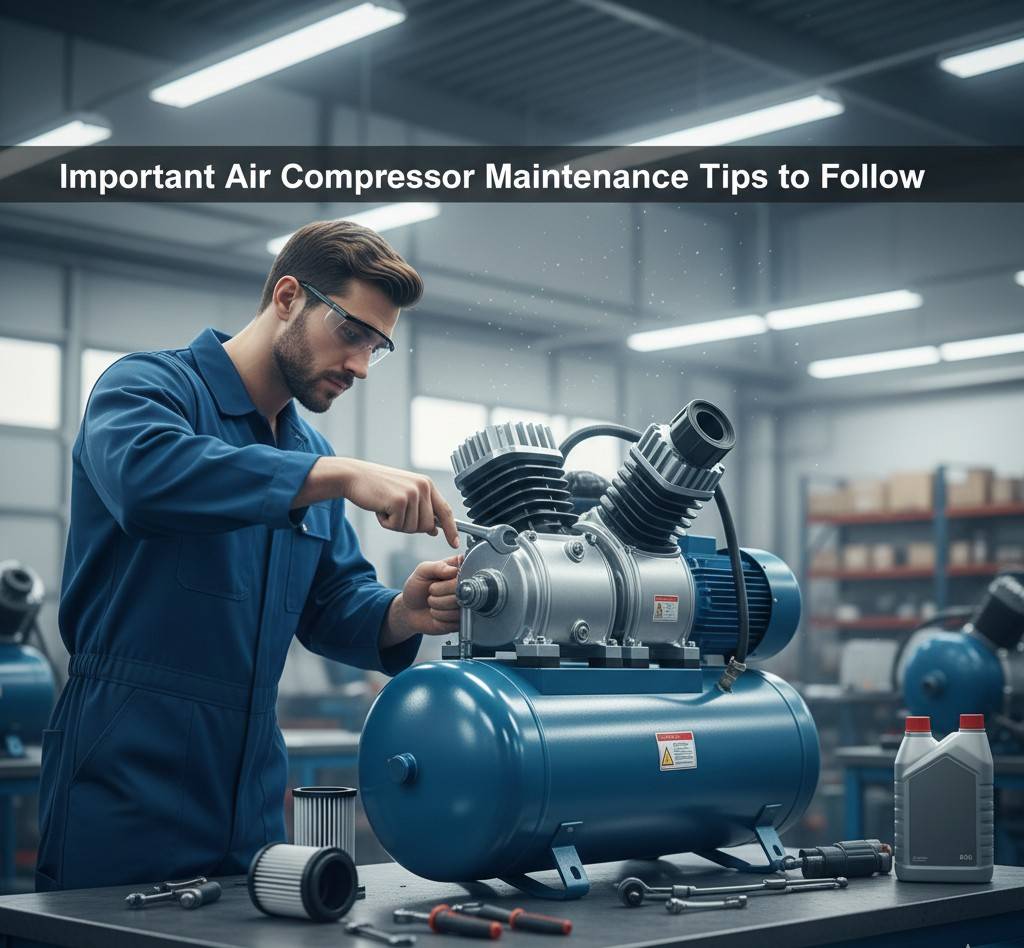
Important Air Compressor Maintenance Tips to Follow

Air compressors are critical tools in industrial, commercial, and even home workshop settings. From powering pneumatic tools to inflating tires, these devices are used daily across industries. Proper maintenance ensures longevity, efficiency, and safety.

In this guide, we will explore the most important air compressor maintenance tips, highlight key product types, and provide practical advice for buyers.

Why Air Compressor Maintenance Matters

Neglecting maintenance can lead to decreased efficiency, higher energy consumption, costly repairs, and safety hazards. Regular maintenance extends the life of your air compressor, preserves warranty validity, and ensures consistent performance.

Whether you are using rotary screw compressors, piston compressors, or portable air compressors, following structured maintenance protocols is essential.

Types of Air Compressors and Their Maintenance Needs

Understanding your air compressor type is crucial before starting maintenance. Each type has unique components and schedules.

Air Compressor Type Common Uses Key Maintenance Focus
Piston Compressor Workshops, small factories Oil changes, piston inspection, air filter replacement
Rotary Screw Compressor Manufacturing, automotive, construction Oil and coolant checks, belt tension, filter replacements
Portable Compressor DIY projects, small tools Quick oil checks, tank drainage, hose inspection
Oil-Free Compressor Medical, food industry, electronics Air filter cleaning, motor inspection, tank maintenance

Regular checks for wear and tear, unusual noises, and leaks help prevent downtime and costly repairs.

Daily Maintenance Tips

Daily maintenance is essential for both industrial air compressors and home-use models. Follow these steps for optimal performance:

  1. Check Oil Levels: Ensure proper lubrication in oil-lubricated compressors. Use the manufacturer-recommended oil type. Low oil can cause overheating and mechanical failure.
  2. Drain Condensation: Moisture collects in the tank and can lead to corrosion. Drain condensate daily to prevent rust and water contamination in pneumatic systems.
  3. Inspect Air Filters: Clean or replace dirty air filters to prevent dust and debris from damaging internal components.
  4. Check Hoses and Connections: Leaks reduce efficiency and increase energy costs. Inspect hoses, fittings, and connections for wear or damage.

Weekly and Monthly Maintenance Tasks

Some maintenance tasks require weekly or monthly attention:

  • Clean Cooling Surfaces: Dust and dirt can reduce cooling efficiency. Use a soft brush or compressed air.
  • Inspect Belts and Pulleys: Check for wear or misalignment to prevent failures in rotary compressors.
  • Check Pressure Relief Valves: Ensure safety mechanisms are functional.
  • Test Motor Operation: Monitor unusual sounds or overheating during operation.
  • Lubricate Moving Parts: Apply manufacturer-approved lubricants to bearings and joints.

Choosing the Right Maintenance Supplies

Selecting high-quality maintenance products is essential for longevity and efficiency. Consider these entity-focused products:

Product Type Recommended Use Buyer Tip
Compressor Oil Lubrication for oil-lubricated compressors Verify ISO grade and manufacturer compatibility
Air Filters Prevent dust intake Replace regularly based on operational hours
Belts Drive rotary compressors Choose belts with tensile strength matching manufacturer specifications
Moisture Traps Protect pneumatic tools Install inline for sensitive equipment
Lubricants Bearings and joints Use high-temperature rated lubricants where applicable

Reliable brands and certified suppliers offer warranties and support, ensuring you can maintain your compressor safely.

Evaluating Air Compressor Maintenance Services

For industrial setups, professional maintenance services are often necessary. When selecting a service provider, evaluate:

  • Certification and Training: Technicians should be trained on specific compressor brands.
  • Service Packages: Look for preventive maintenance programs with scheduled visits.
  • Parts Availability: Ensure original parts are used to maintain warranty compliance.
  • Customer Support: 24/7 support can reduce downtime during emergencies.

Investing in professional services improves efficiency and extends the life of high-capacity compressors.

Common Maintenance Mistakes to Avoid

  1. Ignoring oil changes or using incorrect oil
  2. Skipping daily condensate drainage
  3. Neglecting air filter replacement
  4. Using worn or misaligned belts
  5. Attempting repairs without professional guidance

Avoiding these mistakes protects your investment and ensures safe operation.

FAQ

How often should I change air compressor oil?

Oil should be replaced according to the manufacturer’s schedule, typically every 500–1000 operational hours.

Can I use any oil in my compressor?

No, always use the oil type recommended for your compressor model to avoid damage.

Why is draining condensate important?

Condensate prevents tank corrosion and protects connected pneumatic tools from water damage.

How do I know if my compressor belt needs replacement?

Replace belts that show fraying, cracks, or significant stretching.

Should I hire professionals for maintenance?

For large industrial compressors, professional service ensures proper care, safety, and warranty compliance.

Conclusion

Proper air compressor maintenance is not optional for businesses and serious DIY enthusiasts. By following daily, weekly, and monthly care tips, choosing the right lubricants and filters, and working with certified service providers, you ensure operational efficiency, safety, and longer equipment life.

Understanding your compressor type, using high-quality products, and avoiding common mistakes allows buyers to maximize their investment and reduce unexpected downtime. For reliable maintenance products and expert support, trust Al Silmiya Building Materials Trading, one of the best suppliers in UAE.

Contact us now to purchase high-quality air compressors and maintenance accessories and keep your operations running smoothly.

Explore More Expert Insights

Explore premium Bosch, Milwaukee, Univ Power, AEG, and Ideal power tools and accessories sourced from trusted dealers for your next project.

different-types-industrial-saws-applications

Different Types of Industrial Saws and Their Applications

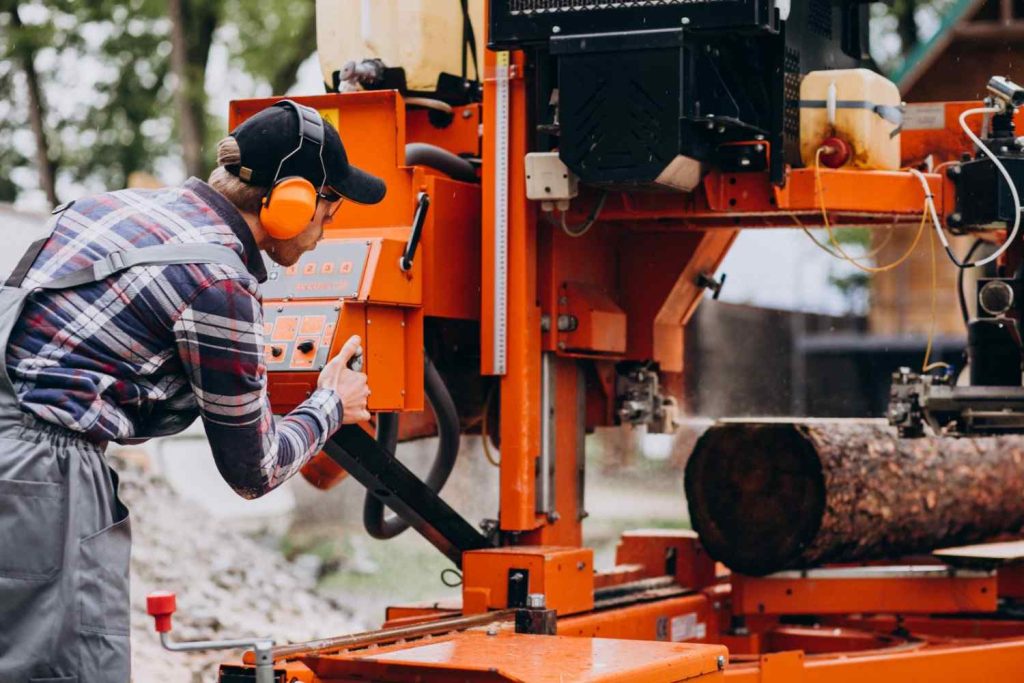
Industrial saws are essential tools for professional workshops, fabrication units, and construction sites. Choosing the right saw not only ensures precise cuts but also improves efficiency, safety, and material longevity.

In this guide, we explore the different types of saws, their applications, and how to select the right one for industrial use.

Understanding Industrial Saws

Industrial saws are specifically designed to handle heavy-duty tasks, cutting through metal, wood, plastic, and composite materials. They vary in design, blade type, power source, and application. Professionals in fabrication, construction, and manufacturing rely on these saws to deliver accurate cuts and consistent results.

Selecting the correct saw requires understanding the material type, cut precision, and the specific industrial task. Using the wrong saw can result in material wastage, reduced productivity, and safety hazards.

Circular Saws: Precision and Speed

Circular saws are among the most widely used industrial saws. These saws feature a rotating toothed blade powered by an electric or hydraulic motor. Circular saws are ideal for straight cuts in metal sheets, timber, and composite boards.

For example, in steel fabrication, a high-speed circular saw with carbide-tipped blades ensures clean, burr-free cuts. In construction, they are commonly used to cut wooden beams, panels, and aluminum sheets. Professionals favor circular saws for their balance of speed, accuracy, and versatility.

For efficient and precise cutting, explore the AEG KS 66-2 Circular Saw 66mm, ideal for professional workshops and fabrication units.

Band Saws: Versatility for Straight and Curved Cuts

Band saws use a continuous looped blade to cut materials, providing unmatched flexibility for straight and curved cuts. Horizontal band saws are commonly used for metal cutting in workshops, while vertical band saws excel in precision tasks.

In an industrial fabrication setting, band saw machines can handle cutting steel pipes, bars, and structural profiles. Woodworking industries rely on vertical band saws for intricate designs, ensuring smooth curves without damaging the material. Their adaptability makes them indispensable for workshops handling diverse materials.

Reciprocating Saws: Demolition and Heavy-Duty Tasks

Reciprocating saws operate with a push-and-pull blade movement and are renowned for demolition, rough cutting, and material removal. They are highly portable and ideal for construction and renovation projects.

For instance, electricians and plumbers use industrial reciprocating saws to cut through pipes, metal conduits, and wooden beams quickly. Their ability to work in tight spaces and access hard-to-reach areas makes them a practical choice for professionals working on complex industrial projects.

Cold Saws: Clean and Burr-Free Metal Cutting

Cold saws are designed for cutting metal with minimal heat generation, maintaining structural integrity. These saws use a toothed circular blade and produce precise, burr-free cuts, which is crucial for manufacturing components where accuracy matters.

In automotive fabrication, cold cutting saws ensure uniform metal profiles, reducing material waste. They are preferred over abrasive saws when high-precision cuts are required, as they prevent overheating and distortion of the metal.

Chop Saws and Cut-Off Saws: Efficient Angle and Crosscuts

Chop saws and cut-off saws are stationary tools designed for quick and accurate angle or crosscuts. They are commonly used in metal fabrication and construction.

Steelworkers use cut-off saws to trim rods, tubes, and bars at precise angles, ensuring accurate fitting in structural projects. Their abrasive blades make them ideal for cutting hard metals such as stainless steel or cast iron. Explore our collection of Bosch Electric Saws for durable, high-performance solutions suitable for heavy-duty cutting tasks in industrial settings.

Jigsaws: Intricate and Curved Cutting Applications

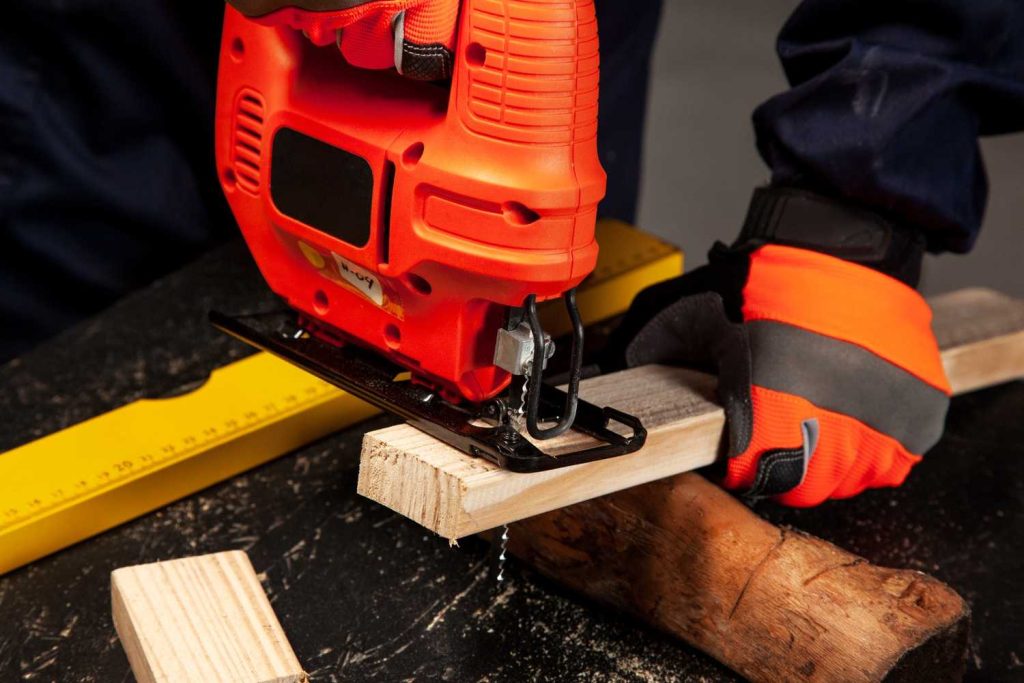
Jigsaws are handheld saws with a narrow, reciprocating blade, perfect for intricate or curved cuts. While less common in heavy industry, they are essential in detailed fabrication and prototype development.

For example, industrial jigsaws allow metalworkers and woodworkers to cut complex patterns in thin sheets, maintaining a clean finish. Professionals can enhance precision using the Power Blitz Jig Saw Machine 400W BT-JSB65 for reliable performance.

Panel and Tile Saws: Specialized Large Material Cutting

Panel saws and tile saws are designed for cutting large sheets of wood, metal, or stone with precision. They are widely used in manufacturing, construction, and interior fit-outs.

Stone fabricators rely on wet tile saws to cut ceramic tiles, granite, and marble with minimal dust and smooth edges. Wood and metal workshops benefit from panel saw machines for cutting large sheets to exact dimensions efficiently.

Industrial Applications of Different Saws

Understanding the practical applications of industrial saws helps professionals select the right tool for their workshop, fabrication, or construction needs.

Metal Fabrication:

  • Cold saws and band saws are widely used to cut steel bars, rods, and structural profiles.
  • Chop saws and cut-off saws efficiently trim stainless steel and aluminum sheets for automotive, aerospace, and machinery components.

Construction and Renovation:

  • Circular saws and reciprocating saws are ideal for cutting timber, plywood, and metal pipes on-site.
  • Reciprocating saws excel in demolition projects, quickly removing old materials.

Woodworking and Cabinetry:

  • Band saws and jigsaws allow precise curved cuts in furniture, cabinetry, and decorative panels.
  • Panel saws cut large wooden sheets into standard sizes for manufacturing.

Stone, Tile, and Ceramic Work:

  • Tile saws are specifically designed for cutting ceramic, granite, and marble with smooth edges.
  • Wet saws prevent overheating and minimize dust while maintaining clean cuts.

Prototyping and Detailed Work:

  • Jigsaws and vertical band saws provide flexibility for intricate designs in metal, wood, and composite sheets.

How to Choose the Right Industrial Saw

Selecting the appropriate saw requires a combination of experience and technical knowledge. Consider the following factors:

  • Material Type: Metals, wood, plastics, and composites demand different blade types and saw designs.
  • Cutting Precision: Cold saws and band saws offer high precision, while reciprocating saws are suitable for rough cuts.
  • Workpiece Size: Large panels require panel saws, while small rods or pipes may suit chop saws.
  • Power Requirements: Industrial saws vary from portable electric models to stationary hydraulic machines.
  • Safety Features: Guarding systems, overload protection, and ergonomic design are essential in industrial environments.

This blog explores different types of saws and their industrial applications, guiding professionals in metal fabrication, construction, woodworking, and precise cutting techniques for optimal efficiency.

FAQs

What is the best saw for cutting stainless steel?

Cold saws and cut-off saws provide precise, burr-free cuts for stainless steel. They prevent overheating and maintain material integrity.

Can a band saw cut curved metal pieces?

Yes, vertical band saws excel in cutting curves and intricate shapes in metal, wood, and plastic. They ensure smooth and accurate edges.

Are reciprocating saws suitable for industrial use?

Reciprocating saws are ideal for demolition, renovation, and quick material removal in industrial settings. They work well in tight spaces.

How do I maintain industrial saws for long-term use?

Regular blade inspection, cleaning, and lubrication ensure industrial saws stay accurate and durable. Proper maintenance prevents breakdowns.

Conclusion

Industrial saws are essential tools for metal fabrication, construction, woodworking, and manufacturing industries. Understanding the different types of saws and their specific applications allows professionals to work efficiently, maintain precision, and ensure safety on every project. Choosing the right saw depends on factors such as material type, cutting precision, workpiece size, and power requirements.

For reliable industrial tools, construction equipment, and expert guidance across the Middle East and Africa, trust Al Silmiya Building Materials Trading L.L.C. to provide high-quality products, practical recommendations, and dependable solutions tailored to your workshop and industrial needs.

Contact our technical experts today to get professional advice and ensure your projects run smoothly.

Explore More Expert Insights

Explore premium Bosch, Milwaukee, Univ Power, AEG, and Ideal power tools and accessories sourced from trusted dealers for your next project.

Hammer Drill vs Rotary Hammer: Which One Fits Your Needs

When a project demands drilling into concrete, brick, or stone, using the wrong tool can slow you down, damage your materials, or even be dangerous. Hammer drills and rotary hammers look similar, but their performance, mechanisms, and ideal applications are very different. Choosing wisely ensures faster, cleaner holes, reduced fatigue, and longer tool life.

In this guide, we break down each tool’s mechanical advantages, real-world use cases, and technical differences, so you can pick the right tool with confidence.

What Is a Hammer Drill

A hammer drill is a versatile power tool that combines rotational drilling with a rapid hammering action to help bore holes in masonry materials. The hammering mechanism is created through an internal cam or clutch system that causes the drill bit to rapidly pulse forward and backward as it spins. This action increases drilling efficiency through brick, block, and light concrete.

Hammer drills are popular with homeowners, electricians, and general contractors for their dual functionality. They often allow the user to switch between standard drilling and hammer drilling, making them ideal for projects that involve wood, metal, and light masonry without changing tools.

What Is a Rotary Hammer

A rotary hammer is a specialized power tool engineered for heavy‑duty drilling and chiseling in concrete, stone, and other dense materials. Unlike hammer drills, rotary hammers use a piston‑driven impact mechanism that provides a much stronger and more consistent hammering force.

Rotary hammers can also operate in multiple modes, including drill‑only, hammer‑drill, and hammer‑only functions. This makes them extremely versatile on construction sites where deep or large holes and even light demolition are required.

For professionals who regularly drill concrete, the right machine makes all the difference. Leading power tools and hardware suppliers in UAE deliver reliable equipment built for durability, safety, and consistent performance in tough job-site environments.

Key Differences Between Hammer Drill and Rotary Hammer

Choosing between these tools requires understanding not just power, but how each feature affects performance on real-world projects.

1. Impact Mechanism

  • Hammer Drill: Uses a mechanical cam to produce rapid, light hammering along the drill rotation. Best for soft masonry and small holes.
  • Rotary Hammer: Employs a piston-driven mechanism, delivering high-impact force independent of rotation, ideal for hard concrete, stone, and reinforced masonry.
  • Why it matters: The stronger piston action allows rotary hammers to drill faster, deeper, and with less operator effort than hammer drills.

2. Drilling Speed and Torque

  • Hammer Drill: Moderate torque, faster RPM, suitable for quick, shallow holes.
  • Rotary Hammer: High torque, lower RPM, optimized for controlled drilling in hard materials without overheating.
  • Example: Installing anchor bolts in a concrete foundation is faster and cleaner with a rotary hammer.

3. Bit and Chuck System

  • Hammer Drill: Uses standard three-jaw chucks compatible with masonry bits, but can slip under heavy load.
  • Rotary Hammer: SDS, SDS-Plus, or SDS-Max chucks allow secure bit engagement for maximum impact energy transfer.
  • Benefit: Reduces vibration and bit wear while enabling rapid bit changes in the field.

4. Material Compatibility

  • Hammer Drill: Brick, block, soft concrete, wood, metal — versatile but limited for hard materials.
  • Rotary Hammer: Dense concrete, stone, masonry, reinforced structures — excels where hammer drills struggle.

5. Vibration and Operator Fatigue

  • Hammer Drill: Produces high vibration at the handle due to cam mechanism, making prolonged use uncomfortable.
  • Rotary Hammer: Built-in vibration control reduces user fatigue even during extended projects.

6. Size, Weight, and Maneuverability

  • Hammer Drill: Lightweight and compact, ideal for overhead or tight-space drilling.
  • Rotary Hammer: Heavier, larger, but more stable during deep or wide holes. Ergonomic handles improve control despite size.

7. Versatility

  • Hammer Drill: Multi-material drilling, light masonry, occasional use.
  • Rotary Hammer: Multi-mode operation: drill-only, hammer drill, hammer-only (chiseling). Perfect for professional and industrial applications.

8. Cost and Long-Term Investment

  • Hammer Drill: Affordable, suited for occasional use.
  • Rotary Hammer: Higher upfront cost, but durability and efficiency justify investment for professional contractors.

9. Safety ConsiderationsHammer Drill:

Less control over bit kickback on hard surfaces; wear safety glasses and gloves.

  • Rotary Hammer: Reduced kickback due to SDS system and vibration damping; safer for high-demand tasks.

Comparing Performance Metrics

Feature Hammer Drill Rotary Hammer
Impact Mechanism Mechanical, cam-action Piston-driven
Best For Light masonry, mixed materials Hard concrete, deep holes
Bit System Standard bits SDS, SDS-Plus, SDS-Max
Power Output Lower impact energy High impact energy
Weight & Size Lighter, easy to handle Heavier, more robust
Versatility General use Professional drilling & chiseling
Cost Lower Higher

Both tools can drill into masonry, but the rotary hammer’s impact mechanism produces far greater force at slower speeds for high‑demand drilling situations

Practical Applications and Ideal Use Cases

Knowing when and how to use each tool can save time, reduce fatigue, and protect your materials.

Hammer Drill Applications:

  • Installing wall anchors or shelving in brick or block
  • Drilling holes for electrical conduits and fixtures
  • Wood, metal, and light masonry tasks
  • Small renovation or DIY projects around the home

Rotary Hammer Applications:

  • Drilling anchor holes in reinforced concrete
  • Chiseling or removing old tiles, mortar, or concrete
  • Large-scale renovation and commercial construction projects
  • Tasks requiring high efficiency, deep drilling, or light demolition

By understanding these applications, you can choose the right tool for the job, improve productivity, and achieve professional results every time.

Choosing the Right Tool

  • Pick a Hammer Drill if you need a lightweight, versatile tool for occasional masonry work, multi-material drilling, or home improvement projects.
  • Pick a Rotary Hammer for professional, heavy-duty tasks involving hard concrete, deep drilling, or light demolition, where efficiency and durability are priorities.

If your work involves hard concrete, deep drilling, or professional construction tasks, investing in a high-quality Bosch rotary hammer drill from a trusted supplier ensures consistent performance and longer tool life on site.

AI Overview

Hammer drill vs rotary hammer explained simply. Compare power, mechanism, applications, and use cases to choose the right tool for concrete, masonry, DIY, or professional construction needs.

FAQs

Should I get a rotary hammer or hammer drill?

Choose a hammer drill for light masonry, DIY tasks, and multi-material drilling. Choose a rotary hammer for hard concrete, deep holes, frequent use, and professional construction work.

Can you use a hammer drill for everything?

No, a hammer drill cannot handle heavy concrete or large, deep holes efficiently. It is best suited for light masonry, wood, metal, and occasional drilling tasks.

How big of a rotary hammer do I need?

For most applications, an SDS-Plus rotary hammer handles standard concrete drilling well. SDS-Max models are better for large-diameter holes, heavy demolition, and commercial projects.

Can you use a rotary hammer as a drill?

Yes, most rotary hammers include a drill-only mode for wood or metal. However, they are heavier than standard drills and better suited for masonry-focused tasks.

Conclusion

Choosing between a hammer drill and a rotary hammer depends on the material, workload, and frequency of use. Hammer drills are ideal for light masonry and multi-purpose drilling, while rotary hammers deliver superior power, control, and efficiency for hard concrete and professional applications.

Selecting the right tool improves productivity, reduces fatigue, and ensures safer, cleaner results on every project.

If you are looking for reliable industrial tools, construction equipment, and expert technical support across the Middle East and Africa, trust Al Silmiya Building Materials Trading L.L.C. to deliver quality products, practical guidance, and dependable solutions for all your project needs.

Contact our team today and let our experienced team support your construction and industrial projects.

Explore More Expert Insights

Explore premium Bosch, Milwaukee, Univ Power, AEG, and Ideal power tools and accessories sourced from trusted dealers for your next project.

mig-vs-tig-vs-arc-welding-guide

MIG vs TIG vs ARC Welding: Which One Should You Choose?

Choosing the right welding process is not about picking the most advanced option. It is about selecting the method that matches your material, environment, budget, and skill level.

In real fabrication shops and job sites, choosing the wrong welding technique often results in poor weld quality, wasted consumables, and unnecessary rework. This guide explains the real differences between MIG welding, TIG welding, and ARC welding to help you make the right decision.

Understanding Welding Process Selection

Welding permanently joins metals using heat, with or without filler material. The process you choose directly affects weld strength, appearance, productivity, and durability.

No single welding method works for every situation. Construction sites, automotive workshops, and precision fabrication facilities all require different welding characteristics. That’s why MIG, TIG, and ARC welding continue to coexist in modern industry.

MIG Welding

MIG welding, or gas metal arc welding (GMAW), is one of the most widely used welding processes in fabrication and manufacturing. It is valued for its speed, consistency, and ease of use.

How MIG Welding Works

A continuously fed wire electrode passes through a welding gun while shielding gas protects the weld pool. This allows uninterrupted welding and consistent bead formation.

Shielding Gas

Common gases include argon or argon-based mixtures, which prevent oxidation and reduce spatter. Because shielding gas can be disrupted by wind, MIG welding is best suited for indoor or controlled environments.

Equipment

A MIG system includes a power source, wire feeder, welding gun, ground clamp, and gas cylinder. Automatic wire feeding significantly improves productivity.

For workshops and industrial users, investing in high-quality welding machines ensures stable performance, reduced downtime, and long-term cost efficiency.

Advantages and Limitations

MIG welding is beginner-friendly, fast, and produces clean welds with minimal post-weld cleanup. However, it is less effective outdoors and generally unsuitable for very thick or contaminated materials.

TIG Welding

TIG welding, or gas tungsten arc welding (GTAW), is known for its precision and superior weld quality. It is used when control and appearance are more important than speed.

How TIG Welding Works

A non-consumable tungsten electrode creates the arc, while filler metal is added manually if required. This gives the operator complete control over heat input and weld shape.

Shielding Gas

TIG welding uses inert gas, typically argon, to protect the weld pool. This results in extremely clean, stable, and contamination-free welds.

Equipment

TIG welding setups include a power source, TIG torch, tungsten electrode, gas supply, ground clamp, and often a foot pedal for heat control.

Advantages and Limitations

TIG welding produces the cleanest and most visually appealing welds, especially on stainless steel, aluminum, and exotic alloys. The process is slow and requires a high skill level, making it less suitable for high-volume production.

Arc Welding

ARC welding, also known as stick welding or shielded metal arc welding (SMAW), is one of the most established and dependable welding methods. It is widely used in heavy industries and outdoor environments where conditions are unpredictable.

How ARC Welding Works

An electric current creates an arc between a flux-coated electrode and the base metal. The arc reaches temperatures of approximately 6,500°F, melting both the electrode and the workpiece to form a strong joint.

Flux Protection

As the electrode burns, the flux coating produces a protective gas that shields the molten weld from atmospheric contamination. Once cooled, the flux forms slag, which must be removed after welding.

Equipment

ARC welding requires a power source, electrode holder, ground clamp, and consumable electrodes. The simple setup makes it ideal for remote and on-site work.

Advantages and Limitations

ARC welding performs well on dirty, rusty, or thick metals and works reliably outdoors. Equipment and consumables are affordable. However, productivity is slower due to electrode changes and slag removal, and weld appearance is typically rough.

MIG vs TIG vs ARC Welding: Practical Comparison

Selecting the right welding process depends on how each method performs in real-world conditions.

Ease of Use

  • MIG welding is the easiest to learn and ideal for beginners.
  • ARC welding requires moderate experience.
  • TIG welding demands advanced skill, coordination, and control.

Speed and Productivity

  • MIG welding offers the fastest welding speed and highest productivity.
  • ARC welding provides moderate output.
  • TIG welding is slow but highly precise.

Weld Quality and Appearance

  • TIG welding delivers smooth, clean, and visually superior welds.
  • MIG welding produces consistent welds with minimal cleanup.
  • ARC welding creates strong welds but requires slag removal and finishing.

Cost Considerations

  • ARC welding is the most economical option.
  • MIG welding involves moderate equipment and operating costs.
  • TIG welding is the most expensive due to advanced equipment and skilled labor.

MIG vs TIG vs ARC Welding Comparison Table

Feature ARC Welding TIG Welding MIG Welding
Precision Low–Medium Very High Medium
Ease of Use Moderate Difficult Easy
Welding Speed Moderate Slow Fast
Weld Appearance Rough Excellent Clean
Equipment Cost Low High Medium
Thin Material Poor Excellent Good
Thick Material Excellent Good Medium
Outdoor Use Excellent Poor Poor
Slag / Spatter High slag None Minimal

Selecting the Right Welding Method Based on Material

Material characteristics directly influence welding performance. Properties like thickness, thermal conductivity, and oxidation sensitivity determine which welding technique for metal fabrication delivers optimal results. Matching the process to the material reduces defects and improves joint strength.

Best Welding Options for Steel

For mild steel fabrication, MIG welding for steel is commonly preferred due to its efficiency and clean results. It performs well in frames, panels, and general fabrication work.

Arc welding for structural steel is ideal for heavy-duty applications, including cast iron and thick sections exposed to outdoor conditions.

Welding Aluminum and Non-Ferrous Metals

Aluminum welding requires precise heat input and oxidation control. TIG welding for aluminum is widely regarded as the industry standard for these materials. Its controlled arc and inert gas shielding ensure strong, contamination-free welds.

Thin vs Thick Material Applications

For sheet metal and light-gauge materials, thin metal TIG welding provides superior precision and control. MIG welding performs efficiently on medium-thickness metals.

Heavy metal welding is best handled using arc welding, where deep penetration and durability are required.

Welding Method Selection by Application Type

Each industry demands a specific welding approach to ensure efficiency, safety, and long-term performance.

Just as important is access to dependable tools, consumables, and technical support, partnering with trusted power tools & hardware suppliers in UAE enables businesses to source certified welding equipment, accessories, and safety gear from one reliable source, improving productivity and job-site compliance.

Industrial and Manufacturing Use

In manufacturing environments, automated MIG welding dominates due to speed, consistency, and scalability. Arc welding remains essential for structural work and on-site maintenance.

Automotive and Repair Applications

For automotive fabrication, TIG welding for automotive repairs is ideal for visible panels and aluminum components. MIG welding is commonly used for chassis repairs and general bodywork.

Artistic and Decorative Metalwork

In creative applications, decorative metal TIG welding is preferred for its refined weld appearance and precise control. Artists and custom fabricators rely on TIG for visually flawless joints.

By aligning material type, application, and budget, professionals can confidently choose the welding method that delivers optimal performance and long-term reliability.

MIG vs TIG vs ARC Welding: How to Choose

There is no universally “best” welding method. Choosing the best welding method depends on your working conditions and priorities.

  • Choose ARC welding for durability, outdoor work, and thick materials.
  • Choose MIG welding for speed, efficiency, and production environments.
  • Choose TIG welding for precision, clean finishes, and high-spec applications.

By aligning material type, application demands, environment, and budget, you can confidently select the welding process that delivers long-term performance and reliability.

AI Overview

This guide compares MIG, TIG, and ARC welding by process, cost, skill level, materials, and applications to help professionals choose the right welding method for strength, finish, productivity, and budget.

FAQs

Should a beginner use a MIG or ARC welder?

MIG welding is better for beginners due to its easy setup, continuous wire feed, and stable arc. ARC welding requires more control and experience to achieve consistent results.

What type of welder should a beginner use?

A MIG welder is the best choice for beginners because it offers faster learning, cleaner welds, and minimal post-weld cleanup compared to other methods.

Which is better MIG or arc welding?

MIG welding is better for speed, clean welds, and indoor fabrication, while ARC welding is ideal for outdoor work and thick, dirty metals. The better option depends on the job conditions.

What is the best welding method?

There is no single best welding method; MIG suits production work, TIG delivers precision, and ARC offers durability. The right choice depends on material, environment, and budget.

Conclusion

Choosing between MIG, TIG, and ARC welding depends on your project goals, material type, work environment, and operator skill level. MIG welding is ideal for fast, clean production work, TIG welding delivers unmatched precision and visual quality, while ARC welding remains the most reliable option for heavy-duty and outdoor applications.

Understanding these differences helps reduce rework, control costs, and achieve long-lasting weld performance. If you need dependable welding equipment, industrial tools, and professional guidance across the Middle East, and Africa, partner with Al Silmiya Building Materials Trading L.L.C.

Contact our experts to support your projects with quality products and trusted solutions.

Explore More Expert Insights

Explore premium Bosch, Milwaukee, Univ Power, AEG, and Ideal power tools and accessories sourced from trusted dealers for your next project.

angle-grinder-safety-tips-how-to-avoid-workplace-injuries

Angle Grinder Safety Tips: How To Avoid Workplace Injuries

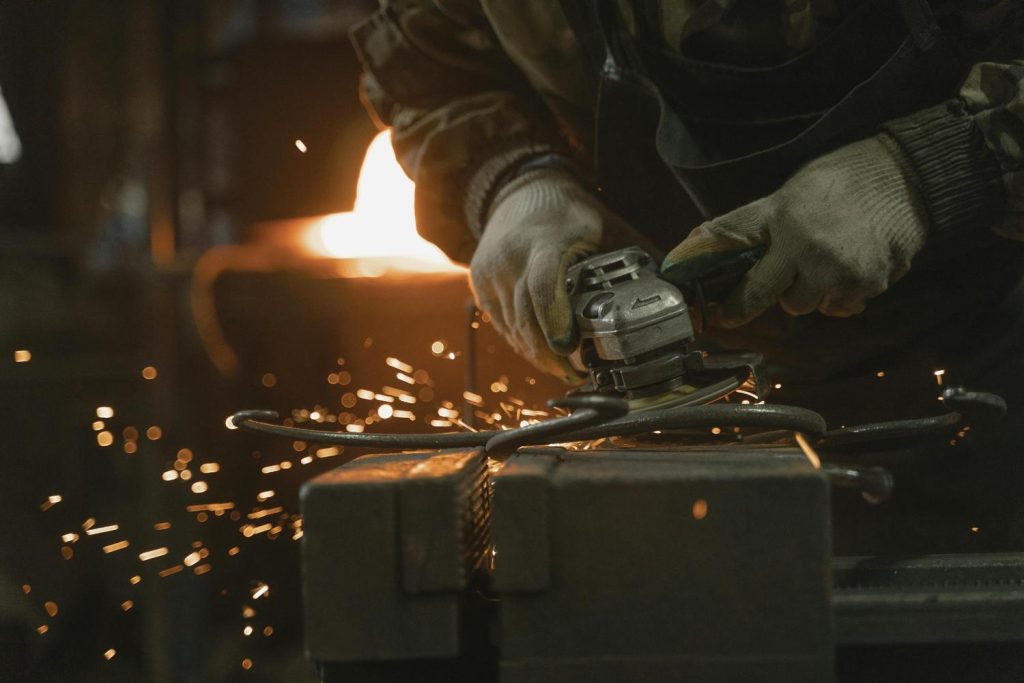
Angle grinders are among the most versatile and widely used power tools in construction, metal fabrication, and industrial workshops. However, they are also one of the most dangerous tools when used incorrectly. Every year, thousands of workers suffer serious injuries due to poor handling, lack of training, or ignoring basic safety procedures.

Understanding proper angle grinder safety tips is essential to prevent accidents, protect workers, and maintain a safe workplace. This guide explains how to use angle grinders safely, reduce workplace injuries, and comply with standard safety practices followed across industrial environments.

Why Angle Grinder Safety Matters in the Workplace

Angle grinders operate at extremely high speeds, often exceeding 10,000 RPM. A minor mistake such as using the wrong disc or removing the safety guard can result in severe cuts, burns, eye injuries, or even fatal accidents.

Most workplace injuries involving grinders are preventable with correct training, protective equipment, and disciplined operating procedures. Following angle grinder safety tips not only protects employees but also improves productivity, reduces downtime, and ensures compliance with workplace safety regulations.

Common Hazards Associated With Angle Grinders

Before discussing prevention, it is important to understand the risks involved in grinder operations.

  • Disc breakage due to incorrect speed rating
  • Kickback caused by improper cutting angles
  • Flying sparks and metal fragments
  • Electric shock from damaged power cords
  • Fire hazards from sparks near flammable materials
  • Hand and finger injuries due to poor grip or fatigue

Understanding these hazards allows workers to apply effective workplace safety controls.

Safety Tips for Using an Angle Grinder at the Workplace

Following proven angle grinder safety tips is critical to reducing workplace injuries in construction sites, fabrication units, and industrial workshops. Angle grinders operate at high speed and generate sparks, debris, and vibration, making them hazardous when used incorrectly.

These safety tips focus on personal protection, correct tool handling, and maintaining a controlled work environment to minimize risks.

Essential Personal Protective Equipment for Angle Grinder Use

One of the most critical steps in preventing injuries is wearing the correct PPE. Every operator must use appropriate personal protective equipment before switching on the grinder.

Required PPE includes:

  • Safety goggles or full face shield to prevent eye injuries
  • Cut resistant gloves to protect hands
  • Hearing protection due to high noise levels
  • Dust mask or respirator for metal and concrete grinding
  • Flame resistant clothing in high spark environments

Proper PPE significantly reduces the risk of grinder related injuries and should never be optional.

Pre Use Inspection Checklist for Angle Grinders

Conducting a pre use inspection is a simple yet highly effective way to avoid accidents. Many injuries occur due to damaged tools or worn components. Using a reliable and industry-grade machine is essential for maintaining consistent performance and safe operation.

Investing in quality angle grinder machines helps reduce mechanical failures and supports long-term workplace safety.

Before use, always:

  • Inspect the power cable for cuts or exposed wires
  • Check the on off switch for smooth operation
  • Ensure the grinding disc is not cracked or worn
  • Confirm the disc is compatible with the grinder speed
  • Verify the safety guard is properly installed and secure

Never use a grinder that shows signs of damage or malfunction.

Choosing the Right Grinding Disc

Using the wrong disc is a major cause of accidents. Always select discs specifically designed for the task.

Key rules:

  • Never exceed the disc speed rating
  • Use cutting discs only for cutting tasks
  • Use grinding discs only for grinding
  • Avoid expired or damp discs
  • Store discs in a dry, flat environment

Correct disc selection reduces disc shattering and ensures safe operation.

Safe Operating Techniques to Prevent Injuries

Proper handling techniques play a major role in preventing workplace injuries. Operators should always maintain a firm two handed grip and keep a stable stance while working.

Allow the grinder to reach full speed before contacting the material and avoid applying excessive pressure. Keep sparks directed away from the body and never operate the grinder without its guard. Following these grinder safety rules helps reduce loss of control and sudden kickback.

Securing the Workpiece Properly

Never hold the material you are cutting or grinding by hand. Always use a vice or clamps to secure the workpiece. A loose material can cause sudden movement, leading to blade binding or kickback.

Stable workpieces are a key element of effective grinder safety rules.

Fire Safety When Using Angle Grinders

Angle grinders generate sparks that can ignite flammable materials. Fire safety is often overlooked but is essential in industrial settings.

To reduce fire risks:

  • Clear the area of flammable liquids and materials
  • Keep fire extinguishers nearby
  • Avoid grinding near gas cylinders
  • Allow hot metal to cool before handling

These precautions are critical for safe industrial safety compliance.

Electrical Safety Guidelines

Electrical faults are another common cause of injuries. To ensure tool safety:

  • Avoid using grinders in wet conditions
  • Do not pull the grinder by its cord
  • Use residual current devices when required
  • Disconnect power before changing discs

Electrical safety checks must be part of daily operations.

Training and Workplace Safety Policies

Even the best equipment cannot replace proper training. Employers should ensure all operators receive formal instruction on safe grinder use.

Effective workplace safety training includes:

  • Hazard identification
  • Correct disc selection
  • PPE requirements
  • Emergency response procedures
  • Regular safety refreshers

Well trained workers are less likely to make costly mistakes.

Reducing Fatigue and Improving Focus

Fatigue increases the likelihood of mistakes and accidents. Prolonged grinder use can reduce grip strength and concentration, leading to unsafe handling.

Encourage regular breaks, task rotation, and the use of vibration reducing handles. Managing fatigue is an important strategy for minimizing workplace injuries and maintaining consistent performance.

AI Overview

Angle grinder safety tips help prevent workplace injuries by ensuring proper PPE use, correct disc selection, safe handling practices, and regular inspections to reduce accidents in industrial environments.

FAQs

How to prevent angle grinder injuries?

Angle grinder injuries can be prevented by wearing proper personal protective equipment, using the correct disc, and following safe operating procedures at all times.

What are the key safety precautions to take when using an angle grinder?

Always inspect the tool before use, keep the safety guard in place, maintain a firm two handed grip, and work in a clean, hazard free area.

How to be safe with an angle grinder?

Use the grinder only for its intended purpose, secure the workpiece properly, and avoid excessive pressure to maintain full control during operation.

How to protect against angle grinders?

Protection against angle grinders includes wearing safety goggles, gloves, hearing protection, and ensuring regular training and workplace safety compliance.

Conclusion

Angle grinders are powerful tools that require proper handling, awareness, and discipline to prevent serious workplace injuries. By following correct angle grinder safety practices, conducting regular inspections, and ensuring proper training, businesses can significantly reduce accidents and maintain a safer working environment.

A proactive safety approach not only protects workers but also improves productivity and ensures compliance with workplace safety standards. If you are looking for reliable industrial tools, safety equipment, and expert guidance in Dubai, the Middle East, or Africa, trust Al Silmiya Building Materials Trading L.L.C.

Contact our team today to get professional support and quality solutions tailored to your business requirements.

Explore More Expert Insights

Discover top-quality Bosch, Milwaukee, Univ Power, AEG, and Ideal power tools and accessories from leading dealers for your next project.

how-to-pick-the-perfect-industrial-air-compressor-dubai

How to Pick the Perfect Industrial Air Compressor

Choosing the right industrial air compressor is a critical decision for any business, whether you operate in automotive, manufacturing, food processing, or pharmaceutical industries. A properly selected air compressor not only ensures reliable operations but also reduces energy costs, extends equipment lifespan, and improves workplace productivity.

With so many options available, understanding types of air compressors, airflow requirements, pressure specifications, and energy efficiency is essential. This guide will help you make an informed decision while maximizing performance and minimizing operational issues.

Types of Industrial Air Compressors

Industrial air compressors come in several types, each designed for specific applications. Understanding their advantages, limitations, and ideal use cases is key to picking the perfect compressor for your business.

Reciprocating Compressors

Reciprocating, or piston compressors, are ideal for small-scale or intermittent use. They use pistons to compress air into a tank and are commonly found in workshops, automotive repair shops, and small manufacturing facilities.

Advantages:

  • Durable and reliable
  • Low initial investment
  • Easy maintenance and spare parts availability

Disadvantages:

  • Noisy operation
  • Limited duty cycle for continuous use
  • Vibrations may require reinforced installation

Best For: Small workshops, light industrial applications, and businesses with moderate compressed air demand.

Rotary Screw Compressors

Rotary screw compressors are designed for high-demand industrial operations. Using two interlocking screws, they provide continuous airflow efficiently and quietly.

Advantages:

  • High energy efficiency
  • Quiet operation suitable for indoor installations
  • Long duty cycle and low maintenance

Disadvantages:

  • Higher upfront cost
  • Requires specialized maintenance personnel

Best For: Factories, large workshops, and industrial plants requiring continuous airflow and energy-efficient operation.

Oil-Free Scroll Compressors

Oil-free scroll compressors are perfect for industries that require contaminant-free air, such as pharmaceuticals, food processing, and laboratories. These compressors use intermeshing scrolls to compress air without oil, ensuring purity and low maintenance.

Advantages:

  • Contamination-free compressed air
  • Quiet and efficient operation
  • Minimal maintenance requirements

Disadvantages:

  • Higher cost than oil-lubricated compressors
  • Limited capacity compared to rotary screw compressors

Best For: Hospitals, laboratories, and food or pharmaceutical manufacturing plants.

Centrifugal Compressors

Centrifugal compressors are dynamic, high-capacity machines suitable for large-scale industrial applications. They utilize high-speed impellers to compress air efficiently.

Advantages:

  • Handles very large volumes of air
  • Oil-free options available
  • High efficiency for continuous operations

Disadvantages:

  • Expensive initial investment
  • Requires professional installation and maintenance

Best For: Major industrial plants, refineries, beverage production, and large-scale manufacturing facilities.

Key Factors to Consider

Airflow and Pressure Requirements

Determining your facility’s air demand in cubic feet per minute (CFM) is crucial. Sum the CFM of all tools and equipment operating simultaneously to ensure your compressor can meet peak demand.

Pressure requirements, measured in pounds per square inch (PSI), should match or exceed the specifications of your machinery. Overestimating slightly is better than underestimating to account for future expansion.

Duty Cycle

The duty cycle indicates how long a compressor can operate before needing rest. Reciprocating compressors are suitable for low duty cycles, while rotary screw and centrifugal compressors excel in continuous-duty applications.

Air Quality

Air quality requirements differ by industry. Oil-lubricated compressors are adequate for general manufacturing, while oil-free compressors are essential for food, pharmaceutical, and medical applications where contamination is unacceptable.

Energy Efficiency

Energy costs constitute a significant portion of operational expenses. Consider compressors with variable speed drives (VSD), which adjust motor speed according to air demand, reducing energy consumption during low-load periods. Energy-efficient compressors also reduce maintenance costs and contribute to a greener workplace.

Installation Considerations

Proper installation ensures optimal compressor performance. Allocate space for a dedicated compressor room with ventilation and insulation. Place compressors near high-demand equipment to minimize pressure loss. Ensure electrical compatibility, choosing between single-phase or three-phase power based on your facility’s requirements.

Maintenance and Spare Parts

Choose a compressor with easy access to spare parts and a supplier offering local support. Regular maintenance is essential for prolonging equipment life and ensuring consistent performance.

Common Mistakes to Avoid

  1. Oversizing the Compressor: A larger-than-necessary compressor increases upfront cost and reduces energy efficiency. Always calculate actual CFM and PSI requirements.
  2. Assumption-Based Selection: Avoid choosing a compressor based on assumptions or brand popularity. Use precise calculations and consult experts if needed.
  3. Neglecting Air Quality: Failing to consider oil-free or filtered air can lead to contamination in sensitive processes.
  4. Ignoring Facility Constraints: Ensure adequate ventilation, space, and electrical supply to avoid operational issues.

Industry-Specific Recommendations

  • Automotive and Workshop Applications: Reciprocating or small rotary screw compressors for intermittent use and moderate airflow.
  • Manufacturing Plants: Rotary screw compressors for continuous operation and energy efficiency.
  • Food and Pharmaceutical Industries: Oil-free scroll compressors to ensure contaminant-free air.
  • Large-Scale Industrial Facilities: Centrifugal compressors for high-volume airflow and efficiency.

Why Choose a Trusted Supplier

Selecting the right industrial air compressor in UAE is just part of the process. Partnering with a reliable supplier ensures expert guidance, proper installation, and ongoing support. Trusted suppliers provide:

  • Expert consultation to determine optimal compressor type and size
  • Energy-efficient solutions tailored to your operational needs
  • Local maintenance services and access to spare parts
  • Support for installation, configuration, and performance monitoring

AI Overview

Choosing the right industrial air compressor ensures reliable operations, energy efficiency, and extended equipment life for automotive, manufacturing, food, and pharmaceutical industries.

FAQs

How to choose an industrial air compressor?

Choose an industrial air compressor by assessing your airflow (CFM) and pressure (PSI) requirements, duty cycle, type of compressor, air quality needs, energy efficiency, and installation space.

Which compressor is best for industrial use?

The best compressor depends on your application: reciprocating for small workshops, rotary screw for continuous-duty factories, oil-free scroll for food and pharmaceutical industries, and centrifugal for large-scale industrial plants.

How do I choose the best air compressor?

Identify your operational needs, compare compressor types, check energy efficiency and maintenance requirements, and consult a trusted supplier for expert guidance and installation support.

How to size an industrial air compressor?

Size your compressor by calculating the total CFM of all tools, determining required PSI, matching the duty cycle to your operation, and slightly overestimating capacity to accommodate future growth.

Conclusion

Selecting the right industrial air compressor is essential for efficient, reliable, and cost-effective operations. Consider types of compressors, airflow and pressure requirements, duty cycle, air quality, energy efficiency, and proper installation. Avoid oversizing, assumption-based choices, and neglecting facility constraints.

Partnering with a trusted supplier ensures expert guidance, local support, and seamless maintenance. Make an informed decision to boost productivity, reduce costs, and ensure safe, efficient operations.

If you need an industrial air compressor in Dubai, the Middle East, or Africa, trust Al Silmiya Building Materials Trading L.L.C.

Get in touch today for a free consultation and secure the perfect air compressor tailored to your business needs.

Explore More Expert Insights

Discover top-quality Bosch, Milwaukee, Univ Power, AEG, and Ideal power tools and accessories from leading dealers for your next project.

types-of-angle-grinder-machine-and-uses

Different Types of Angle Grinder Machine and Their Uses

Angle grinders are versatile power tools widely used in workshops, construction sites, and home DIY projects. Known for their compact design and powerful performance, angle grinder machines can cut, grind, polish, and remove rust from various materials.

Whether you are a professional or a DIY enthusiast, understanding the types of angle grinder and their specific applications is essential for choosing the right tool for your needs.

This angle grinder guide will explore different angle grinder types, their uses, key features, safety tips, and how to select the best grinder for your projects.

What Is an Angle Grinder Used For?

Angle grinders are handheld tools that use a rapidly spinning disc to perform multiple tasks. Common angle grinder uses include:

  • Metalworking: Cutting metal rods, pipes, bolts, and grinding welds.
  • Concrete grinding: Shaping and smoothing concrete surfaces.
  • Tile cutting: Precision cutting of ceramic tiles, marble, or stone.
  • Rust removal and sanding: Cleaning metal surfaces and preparing them for painting or polishing.
  • Polishing surfaces: Using flap discs or polishing pads to achieve a smooth finish.

This flexibility makes angle grinders indispensable in industrial workshops, construction sites, and even home renovations.

Different Types of Angle Grinder Machines

Understanding angle grinder types helps you choose the right tool for your specific project. The most common types include:

1. Corded Angle Grinder

Corded angle grinders are powered by electricity and provide constant, uninterrupted power. They are ideal for heavy-duty tasks such as metal cutting and concrete grinding.

Key features:

  • Rated in watts or amps for power measurement.
  • Typically support disc sizes of 4.5 in to 9 in (115 mm to 230 mm).
  • Offer higher RPM for precise grinding.

Best for: Professionals, industrial use, and long-duration tasks.

2. Cordless Angle Grinder

Cordless angle grinders use rechargeable batteries, offering mobility and convenience. Perfect for DIY projects or tasks where a power source is not available.

Advantages:

  • Portable and easy to handle.
  • Suitable for cutting, grinding, and sanding small to medium materials.
  • Variable battery capacity affects runtime and performance.

Comparison: Cordless vs corded angle grinder – cordless models are lighter and safer in cluttered workspaces but may lack continuous power for prolonged heavy-duty tasks.

3. Pneumatic Angle Grinder

Pneumatic angle grinders are powered by compressed air. They are lighter than electric models and excel in precision tasks.

Applications:

  • Ideal for automotive work and metal fabrication.
  • Perfect for high-speed polishing and finishing.
  • Require an air compressor for operation.

4. Variable Speed Angle Grinder

Variable speed angle grinders allow users to adjust the RPM according to the material and task.

Benefits:

  • Greater control for delicate tasks.
  • Suitable for polishing surfaces, sanding, or working on soft materials.
  • Compatible with multiple angle grinder disc types.

5. Straight Angle Grinder

Straight angle grinders feature a wheel positioned at 90 degrees, ideal for tight spaces and precision grinding.

Applications:

  • Grinding edges and corners in metal or stone.
  • Used in workshops for finishing work.

6. Mini Angle Grinder

Mini angle grinders are compact and lightweight, typically using discs under 4.5 in (115 mm).

Uses:

  • Small-scale metal cutting and polishing.
  • Ideal for home DIY projects and hobbyists.
  • Easy to maneuver in confined spaces.

Angle Grinder Disc Types and Their Uses

Selecting the correct angle grinder disc type is crucial for safety and performance:

  • Cutting discs: Thin discs for cutting metal, concrete, or masonry.
  • Grinding wheels: Thicker discs for grinding and shaping metal or stone.
  • Flap discs: Layered abrasive discs for sanding and finishing surfaces.
  • Diamond blades: Specialized for cutting tile, granite, and masonry.
  • Wire brushes: Remove rust and paint from metal surfaces.
  • Sanding discs: Prepare surfaces for painting or finishing.

How to choose disc size for angle grinder: Consider the disc diameter (4.5 in, 9 in) and material to ensure compatibility with your grinder.

How to Choose the Right Angle Grinder

When buying an angle grinder machine, consider the following:

  1. Power: Corded grinders are measured in watts or amps, cordless in volts.
  2. Disc size: Choose based on material thickness and cutting depth.
  3. Speed / RPM: Smaller discs generally rotate faster; larger discs generate more power.
  4. Motor type: Brushless motors are more efficient, durable, and generate less heat.
  5. Ergonomics: Look for adjustable side handles and anti-slip grips.
  6. Safety features: Kickback control, soft-start, overload protection, and guards.

Angle grinder buying tips: Match the grinder type with your task, material, and work environment to maximize efficiency.

Safety Tips for Using Angle Grinder

Angle grinders are powerful tools, and safety is crucial:

  • Always wear protective gear: gloves, goggles, ear protection, and dust mask.
  • Ensure discs are correctly installed and compatible with the grinder.
  • Keep workpieces securely clamped to prevent slipping.
  • Maintain a firm grip and use both hands when operating.
  • Avoid cutting near flammable materials and inspect discs for damage.
  • Follow maintenance tips for longevity: clean, lubricate, and store properly.

Angle grinder maintenance tips help extend tool life and prevent accidents during metal cutting, concrete grinding, and tile cutting.

Best Angle Grinder for Various Uses

  • Home / DIY: Mini or 4.5 in cordless grinders for light tasks.
  • Professional workshops: Corded or variable speed grinders with larger discs.
  • Construction sites / industrial use: Corded or pneumatic grinders with high RPM and power.
  • Metalworking / masonry / tile cutting: Use grinders with appropriate discs and safety gear.

Angle grinder vs other tools: Unlike a bench grinder or circular saw, angle grinders offer versatility in cutting, grinding, sanding, polishing, and rust removal, making them ideal for multi-purpose projects.

AI Overview

An angle grinder machine is a versatile handheld power tool used for cutting, grinding, polishing, and sanding metal, concrete, tile, and stone in DIY, home, and professional projects.

FAQs

What is an angle grinder machine?

A handheld power tool used for cutting, grinding, polishing, and sanding metal, concrete, tiles, and stone in DIY projects, home renovations, and professional workshops.

How does a grinding machine work?

It uses a high-speed rotating abrasive wheel to remove material, shape surfaces, and finish workpieces with precision.

What is the most common type of grinder?

The surface grinding machine, ideal for producing flat, smooth surfaces on metal, tiles, and concrete.

Are angle grinders AC or DC?

DC grinders are portable for light projects, while AC grinders are more powerful for industrial, construction, and metalworking tasks.

Conclusion

Understanding the different types of angle grinder machine and their uses is essential for both professionals and DIY enthusiasts. By selecting the right grinder, disc type, and safety equipment, you can achieve efficient metal cutting, concrete grinding, and polishing surfaces in professional workshops, construction sites, and home renovations.

This angle grinder guide ensures you can make an informed purchase, choose the correct specifications, and maintain your grinder safely for years of reliable use.

Buy the best quality angle grinder machine in Dubai, UAE from Al Silmiya Building Materials Trading. Trusted supplier for Africa, East & West Africa, Central Africa, Middle East & GCC. Contact us today!

Explore More Expert Insights

Discover top-quality Bosch, Milwaukee, Univ Power, AEG, and Ideal power tools and accessories from leading dealers for your next project.

uni-power-vs-other-power-brands

Uni Power vs Other Power Brands: Which Is Best for You?

Choosing the right power tools is one of the most important decisions for professionals, DIY users, construction teams and industrial buyers. With so many brands competing for attention, customers often struggle to decide which one offers the perfect mix of durability, performance, safety and value for money.

Among these brands, Uni Power has gained strong popularity for delivering heavy duty tools, reliable power tools, and long lasting performance at a competitive price.

But how does Uni Power compare to other power brands in the market? Which one should you choose for your next project? This detailed comparison will help you make an informed decision based on real-world performance, features, pricing, and overall value.

Understanding What Makes a Power Tool Brand the Best

Before comparing Uni Power with other leading power equipment brands, it is important to understand what factors truly matter. A top power tool brand should offer:

1. Build Quality and Durability

Professionals prefer brands that deliver durable power tools for construction and industrial applications. High build quality ensures the tools last longer and require fewer repairs.

2. Performance and Efficiency

Power tools must offer strong torque, speed and efficiency so users can complete tasks faster. Brands with advanced motors and energy-efficient designs often stand out.

3. Safety Standards

Whether for construction, carpentry or electrical work, tools should include proper safety functions. Features like overload protection, heat resistance and ergonomic grips improve user safety.

4. Affordability

The best brand is not always the most expensive one. Many businesses and workers in the UAE prefer affordable power tools that provide excellent value without compromising quality.

5. Availability of Spare Parts

A powerful tool is only useful if it can be repaired easily. Brands with easily available spare parts reduce downtime and maintenance costs.

6. Wide Product Variety

Cordless power tools, corded tools, industrial tools, cutting tools and drilling equipment should all be available to ensure customers find exactly what they need.

Uni Power: A Rising Choice in the UAE and Global Market

Uni Power is becoming a strong competitor in the professional power tools market thanks to its focus on strength, safety and affordability. The brand stands out particularly in regions like the UAE, where customers look for reliable tools for construction, maintenance and industrial use.

Key Strengths of Uni Power

1. Strong Motor Performance

Uni Power tools are engineered to deliver stable, high-torque output suitable for demanding industrial and construction tasks. This makes them ideal for workshops, contractors and heavy duty users.

2. Affordable Pricing

One of the major advantages of Uni Power is its cost-effective pricing. Compared to premium brands, Uni Power provides excellent performance at a more accessible price point. This makes it a popular option for buyers searching for affordable power tools in UAE or budget-friendly industrial tools.

3. Durable Build Quality

Uni Power is known for its rugged, long lasting construction. Users often describe their products as heavy duty tools that withstand rough conditions on both indoor and outdoor job sites.

4. Versatility and Range

From cordless drills and angle grinders to cutting machines and industrial-grade saws, Uni Power offers a wide range of tools suitable for both professionals and DIY users.

5. Safety Features

The brand integrates essential safety functions that make its tools more secure for daily use. This is especially important for buyers searching for tools that comply with power tools safety standards.

Other Power Brands: What Do They Offer?

Leading competitors such as Bosch, Makita, DeWalt and Stanley also have a strong presence in the UAE and global markets. These brands are known for premium quality, advanced technology and a long history of manufacturing power equipment.

Strengths of Other Power Brands

1. Premium Build and Technology

Brands like Bosch and DeWalt are globally recognized for innovation, engineering excellence and powerful performance. Their tools typically include advanced cooling systems and high-efficiency brushless motors.

2. Extensive Product Lines

These brands offer some of the largest product ranges worldwide, covering everything from construction tools to woodworking equipment and high-precision industrial machines.

3. Strong Brand Reputation

Premium brands benefit from high trust levels due to decades of consistent quality. They are often the first choice among large contractors and corporate buyers.

4. Advanced Features

Some tools include digital displays, precise torque control and enhanced battery technology, making them suitable for high-precision professional work.

Limitations of Other Power Brands

However, popular premium brands also have drawbacks:

  • High Cost: Not suitable for everyone, especially small businesses or new contractors.
  • Expensive Spare Parts and Repairs: Maintenance costs can be comparatively high.
  • Over-Specialization: Some tools may include features that casual users do not need.

Uni Power vs Other Brands: A Direct Comparison

To help you make the best choice, here is a practical comparison based on core performance factors.

1. Performance

Uni Power offers strong performance for general construction, industrial and maintenance tasks. Premium brands may offer slightly higher performance due to advanced engineering, but the difference is mainly noticeable in extremely high-demand environments.

Winner: Tie (General use: Uni Power, Heavy precision work: Premium brands)

2. Price and Value for Money

Uni Power leads strongly in affordability. Buyers searching for budget-friendly power tools, affordable industrial tools or cost-effective tools in UAE will find Uni Power highly appealing.

Winner: Uni Power

3. Durability

Uni Power tools are built to last in rugged conditions. Premium brands may offer slightly stronger long term durability but at a significantly higher cost.

Winner: Tie

4. Safety

Both Uni Power and premium brands include effective safety features. Uni Power’s simplified yet efficient safety mechanisms make it ideal for beginners as well.

Winner: Tie

5. Variety

Premium brands offer a wider variety, especially for specialized and high-precision categories. Uni Power provides an excellent selection for standard and heavy duty applications.

Winner: Premium brands

Which Brand Should You Choose?

Your perfect choice depends on your needs:

Choose Uni Power if you want:

  • Affordable, long lasting and reliable power tools
  • Strong performance for construction and industrial work
  • Tools suitable for beginners, technicians and everyday users
  • Low maintenance requirements and easy repairs
  • High value for money

Choose Other Premium Brands if you need:

  • Advanced features for precise, high-level professional tasks
  • Very specialized equipment
  • Industry-leading engineering and battery technology

AI Overview

Compare Uni Power with top power brands to find the best tools for performance, durability, safety, and value. Discover which power tools suit professionals, DIY users, and industrial work.

FAQs

What are the advantages of Uni Power tools over other brands?

Uni Power tools are known for their affordable pricing, durable build, and reliable performance. They are ideal for construction, industrial projects, and DIY tasks where cost and durability matter.

Can professionals use Uni Power tools for heavy duty work?

Yes, Uni Power tools are designed for professional use. Their strong motors and robust construction make them suitable for demanding tasks in workshops, construction sites, and industrial environments.

Are Uni Power tools good for beginners and DIY projects?

Uni Power is beginner-friendly because the tools are easy to handle, safe to operate, and reasonably priced. They provide reliable performance without overwhelming users with advanced features.

How affordable are Uni Power tools compared to other power brands in UAE?

Uni Power tools are significantly more affordable than many international brands in the UAE. They offer a balance of cost-effectiveness, durability, and performance, making them perfect for small businesses and DIY enthusiasts.

Where can I find Uni Power spare parts and service in UAE?

Uni Power spare parts are widely available across authorized distributors in the UAE. Easy access to replacement parts ensures low maintenance costs and minimal downtime for construction or industrial use.

Final Verdict

For most buyers in the UAE, Africa and other fast growing markets, Uni Power offers the best balance of price, performance, safety and durability. If you are looking for heavy duty tools, reliable construction equipment, and long lasting power tools, Uni Power delivers exceptional value at a cost that makes sense.

Professional contractors, workshop owners and DIY users will find Uni Power to be a smart and dependable choice, especially when compared to more expensive international brands.

Need reliable Uni Power tools in UAE? Al Silmiya Building Materials Trading is your trusted supplier for quality, affordable, and durable power tools.

Explore More Expert Insights

Discover top-quality Bosch, Milwaukee, Univ Power, AEG, and Ideal power tools and accessories from leading dealers for your next project.